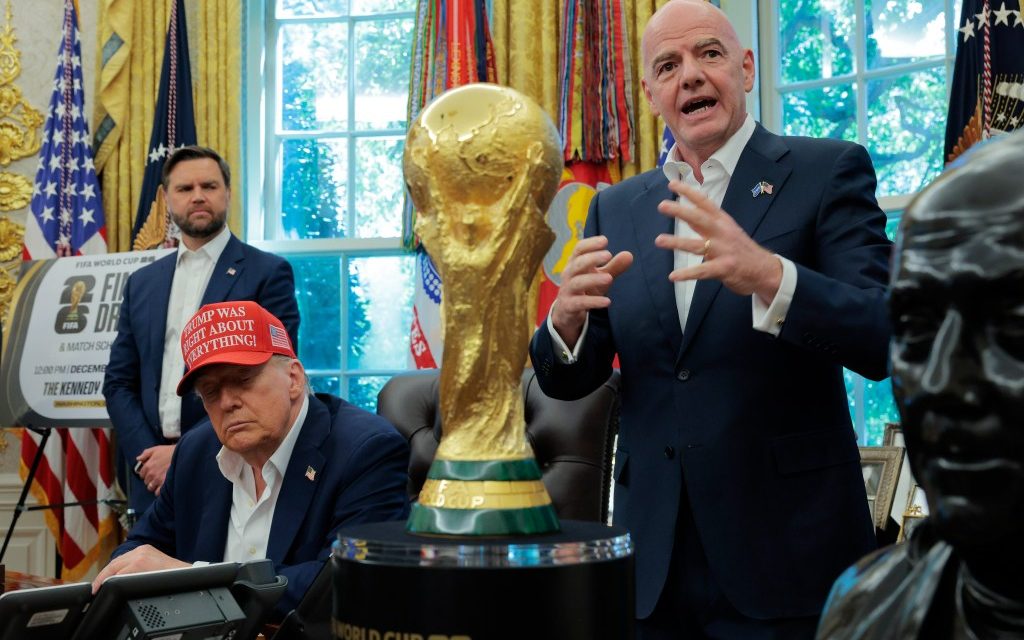
FIFA’s president, Gianni Infantino, attempted to sell a portion of the World Cup in a Wall Street deal worth $20 billion, lasting up to 96 years. Leaked documents revealed that FIFA’s finance chief was unaware until the final vote. Thrive Capital, led by Josh Kushner, backed the deal. Wall Street firms like JPMorgan played a central role, setting the $20 billion price.
Internal communications showed FIFA’s CFO, Thomas Peyer, expressing concerns. He feared external buyers might prioritize short-term financial gains, potentially hurting long-term value. He abstained from voting due to a lack of detailed calculations.
An internal plan named FIFA Forward Enterprises (FFE) proposed injecting up to $4.22 billion from outside investors into a new US firm managing FIFA’s commercial rights. Despite FIFA keeping a majority stake, private buyers would have veto power over significant business decisions. The agreement tied FIFA for up to 96 years, with renewal every 12 years.
JPMorgan’s asset management chief, Mary Erdoes, was involved after an introduction by Robert Kraft, owner of the Patriots. Thrive Capital aimed to secure a minimum of 60% of third-party shares, enhancing its influence. The deal included incentives for FFE management, with specific performance bonuses.
Thrive Capital’s ‘backstop’ letter outlined deal terms. It committed to purchasing excess shares and barred FIFA from engaging with other buyers until July 17, 2027. Thrive would have received compensation if FIFA pursued another deal, equaling $250 million in value.
FIFA communicated with other firms like Affinity Partners and BANN Ventures. These either declined the deal or lacked funds. Foreign investment from approved countries was considered, but no specific buyers were named.
Despite promising new funds for soccer development, widespread internal opposition grew. Key figures such as Carlos Cordeiro resigned over the lack of justification. Critics argued FIFA’s $20 billion valuation undervalued its assets, with comparisons drawn to other major sports franchises.
With mounting backlash, Infantino abandoned the plan in July. Criticisms intensified around management and transparency issues. UEFA has sought legal action in US courts, aiming to hold FIFA officials accountable for potential mismanagement.
Amid controversy, Infantino’s actions in expanding the World Cup and investing in grassroots soccer haven’t gone unnoticed. Yet, many believe the failed deal might overshadow his tenure’s accomplishments.
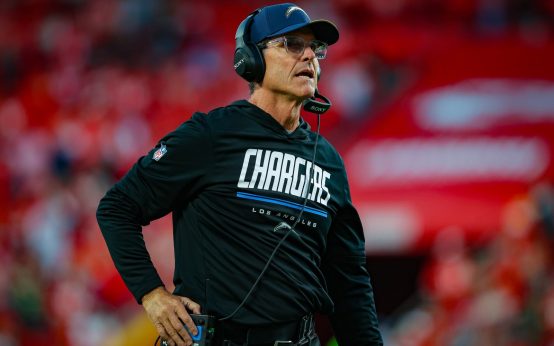 Jim Harbaugh’s Future with Los Angeles Chargers in Doubt
 Landry Kiffin Turns Controversy into Content
 Steelers’ DK Metcalf Ejected After On-Field Incident
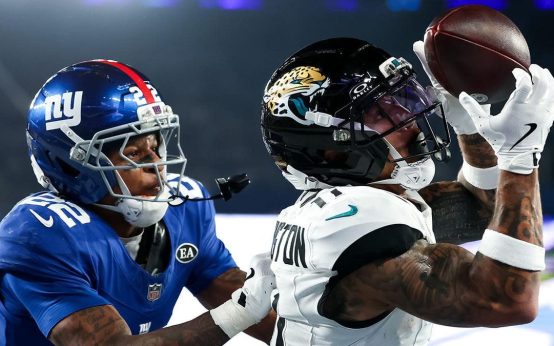 Giants Secure Victory Over Jaguars Amid Controversial Replay Decision
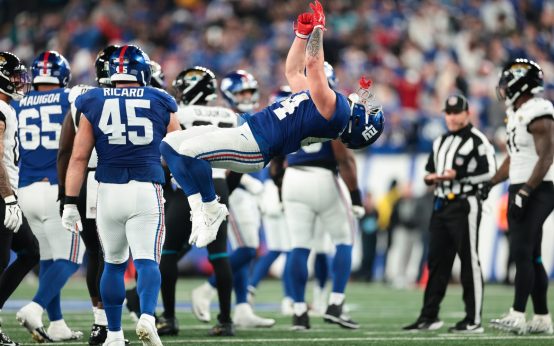 Injury Concerns Prompt NFL Player to Rethink Celebrations
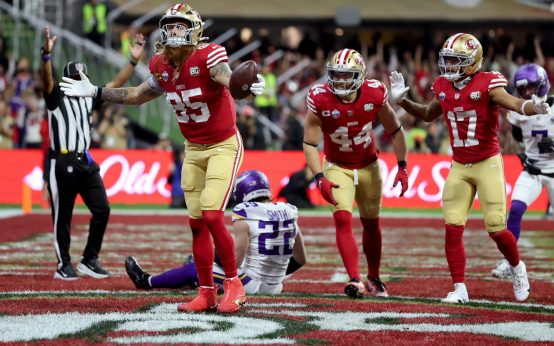 Vikings Overwhelmed by 49ers in Mexico City Showdown