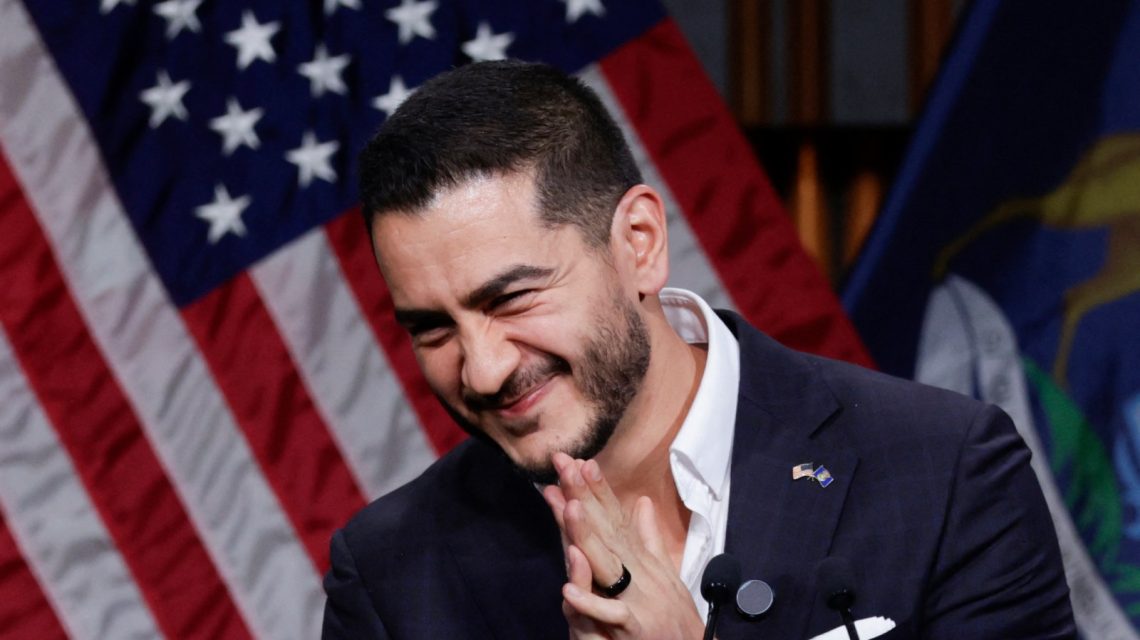
Thomas Jefferson’s Quran, acquired during his legal studies in 1765, may become significant as the new class of U.S. senators takes their oaths. Senator-elect Abdul El-Sayed, a Democrat from Michigan, plans to make history as the first Muslim senator in the United States. He expressed his intention to take his oath on a Quran, possibly Jefferson’s, mentioning it to NPR.
El-Sayed’s choice of the Quran underscores the U.S. Constitution’s dedication to religious freedom, noted Mohammad Hassan Khalil from Michigan State University. Khalil remarked that religious identity seems less of a barrier in American politics, highlighting El-Sayed’s message-focused campaign that prioritized issues like ‘money out of politics’ and ‘Medicare for All’ over religious beliefs.
Youssef Chouhoud, a political scientist, stated that while El-Sayed’s success is worth celebrating, he encountered challenges typical of a political climate marked by anti-Muslim sentiments. Chouhoud noted that El-Sayed represents progress but also indicates the persistent barriers Muslims face in various fields.
Historically, the use of the Quran for swearing-in ceremonies is not entirely new in the U.S. Keith Ellison, the first Muslim member of the House of Representatives, took office using Jefferson’s Quran in 2007. This event drew criticism from certain conservative figures but marked a shift towards accepting diverse religious beliefs in political spheres.
With an increasing number of U.S. lawmakers opting for varied texts for their oaths, like the Bhagavad Gita or the U.S. Constitution, El-Sayed has the opportunity to become the first senator to use a Quran. This reflects America’s growing religious diversity, spurred by policies like the 1965 Immigration and Nationality Act, which ended race-based immigration exclusions.
El-Sayed’s campaign faced scrutiny and accusations, including ties to the Muslim Brotherhood, from former President Donald Trump and opponent Mike Rogers. El-Sayed refuted these claims, emphasizing his dedication to serving the U.S. and distancing himself from such affiliations. He criticized Rogers’ strategy as divisive, aligning it with Trump’s political tactics.
El-Sayed, encountering prejudice during his campaign, highlighted both enduring religious discrimination and the increasing political acceptance of Muslim candidates. Muqtedar Khan from the University of Delaware viewed El-Sayed’s election as a setback for Islamophobia. However, Khan advised Muslim politicians to focus on fulfilling their campaign promises to negate identity-based criticisms.
 Three Teenagers Missing in Florida
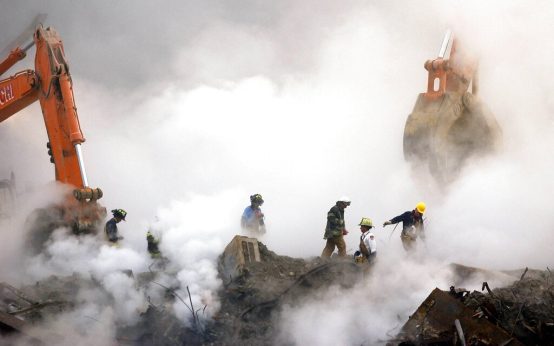 NYC Releases Additional 9/11 Records to Aid Survivors and Responders
 U.S. Army Plans to Detonate Degraded Lead Azide at Iowa Ammunition Plant
 Thanksgiving Weather Threatens Travel on U.S. Coasts
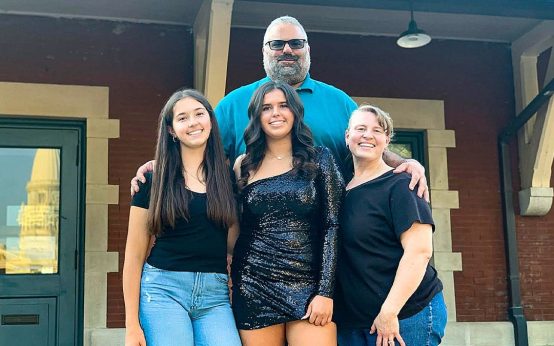 Tragic Incident in West Lafayette Involving Purdue Professor and Family
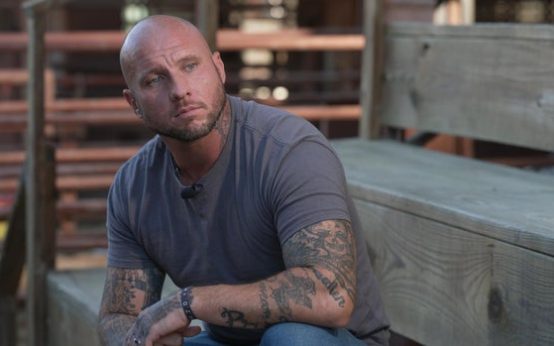 Life Behind Bars: The Angola Prison Rodeo