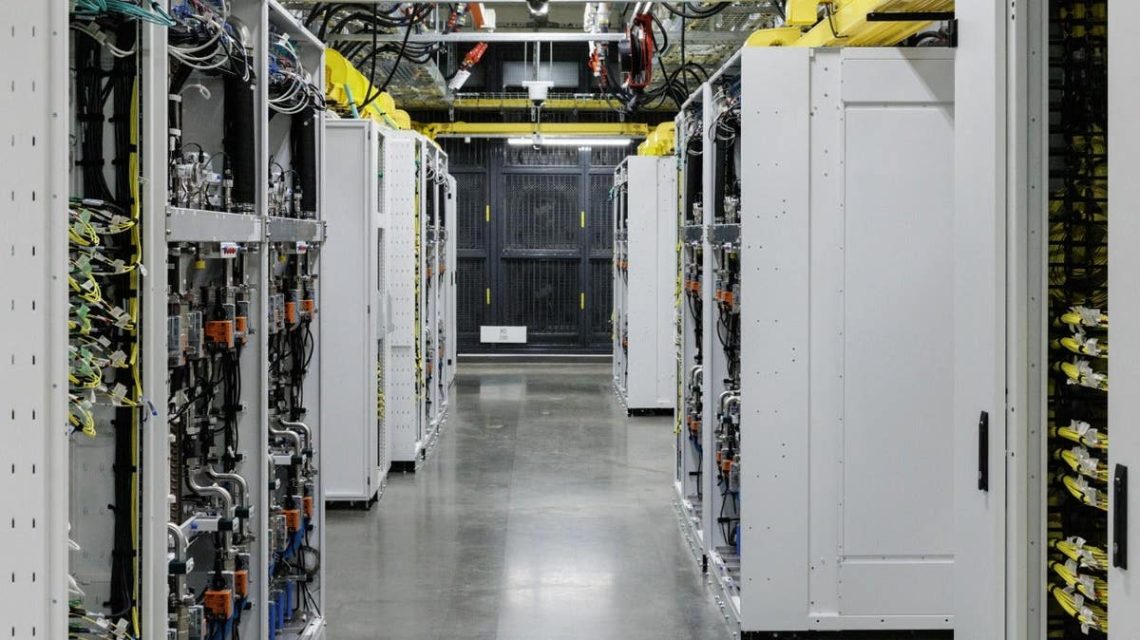
China’s military could exploit advanced U.S. technology, raising concerns among congressional leaders. These officials warn that China might access American technology through espionage or unauthorized channels, potentially enhancing its military strength.
The U.S.-China Economic and Security Review Commission’s 2026 report suggests that Beijing seeks sophisticated semiconductors and AI data centers. This effort aims to modernize China’s military without involving American companies behind this technology.
Experts warn that China’s AI threat to America is already present, extending beyond mere weaponization.
An April 2026 assessment by Georgetown University stresses that China’s military is acquiring advanced Nvidia chips for AI-driven capabilities. This incorporates AI into various military elements like command and logistics.
Mike Kuiken, vice chairman of the commission, highlights the threat isn’t limited to chip exports—it includes access to international computing infrastructure. “Whenever advanced chips reach Chinese hands, we aid them,” Kuiken states.
Randall Schriver, the commission’s chairman, notes risks include sales of dual-use technology and inadequate cybersecurity. “We must reflect on how Americans contribute to Chinese military advancements,” he says.
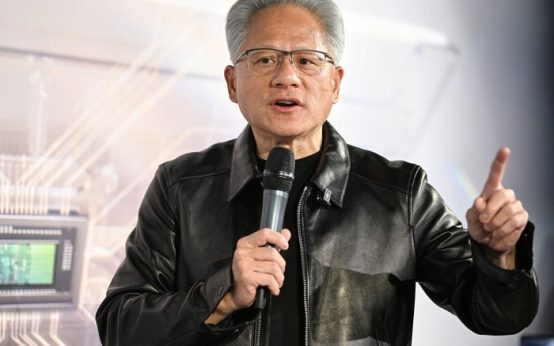
Nvidia CEO Jensen Huang faces scrutiny over his push to ease sales restrictions on advanced AI chips to China. This emphasizes Nvidia’s significant role in the U.S.-China AI competition.
Nvidia’s ties with China are under additional review following a scandal involving its former CEO, Jensen Huang, who resigned over personal controversies. Despite accusations of espionage, no conclusive evidence confirms this linkage, as ongoing investigations continue.
Schriver flags China’s handling of denial and deception, integral to its strategic operations. This extends to its military, necessitating vigilance to discover undisclosed advancements.
China’s Foreign Ministry advocates for cooperation with the U.S. on AI security, emphasizing control over such technologies to avoid risks.
The commission underscores data protection as a top national security issue. AI could expose cybersecurity vulnerabilities, threatening both public and private sectors.
Kuiken explains that new AI models simplify identifying cyber weaknesses, forcing organizations globally to tighten their security measures.
Protecting American data serves dual purposes: securing national interests and leveraging economic opportunities while working with democratic societies.
 CIA’s Unclassified System Breached in Cyberattack
 Hostage Situation in Cartagena Supermarket
 Sunny Hostin Criticizes Trump Over Nvidia CEO Reinstatement
 America’s Cybersecurity Challenges and the Role of AI
 Jensen Huang Returns as Nvidia CEO Amid Employee Support
 Comprehensive News Coverage: Middle East Tensions, U.S. Politics, Weather Challenges, and Culinary Innovations