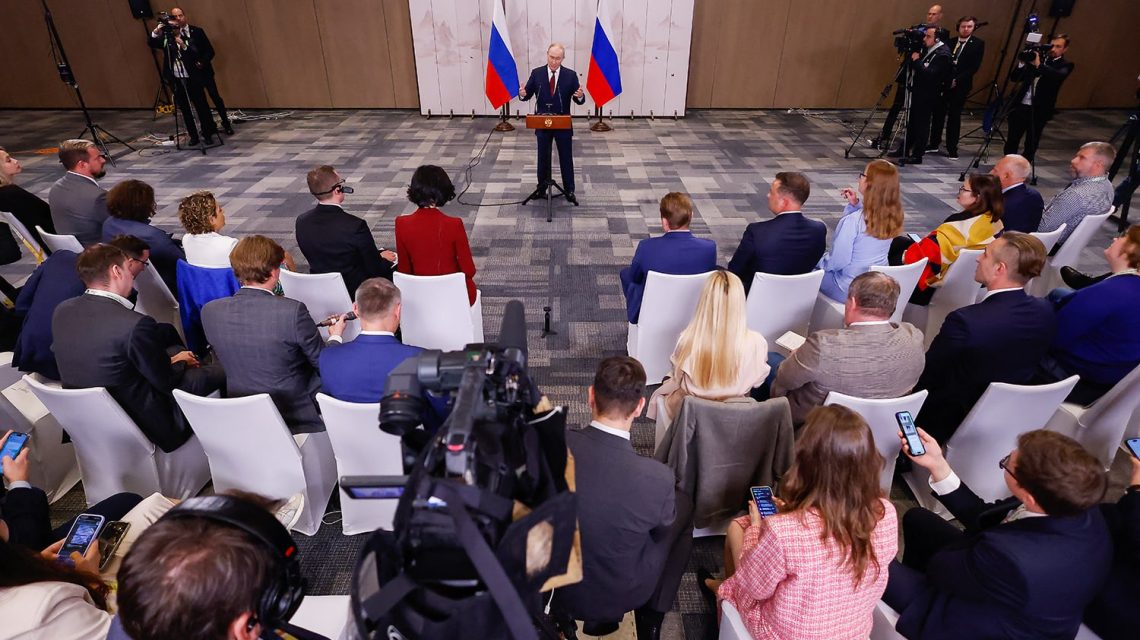
The APEC summit presented several challenges regarding media access and international diplomacy. During Thursday’s events, media restrictions were evident. For instance, certain video recordings were limited. A notable incident occurred when Russian officials barred two journalists from the meeting between Putin and Trump. Additionally, during Trump’s session with Xi, the limited media presence was remarked upon by Trump, who stated, ‘Too bad the media couldn’t see some of it, because every move was perfectly executed.’
After the Trump-Xi meeting, an incident involving a Bloomberg reporter highlighted cultural differences regarding journalistic practices. The reporter, excluded from a subsequent trilateral meeting after raising a question about Jensen Huang, was informed by Chinese officials that shouting questions is seen as highly disrespectful. In the U.S., however, this is a common practice. Despite attempts by the White House to negotiate the reporter’s entry, Chinese authorities maintained their stand.
International Security and Diplomatic Talks
A significant theme at the summit was international security, with Putin addressing Ukraine’s right to security, emphasizing it should not be at Russia’s cost. He pointed to what he views as the need for compromise from Ukraine to resolve ongoing conflicts. This dialogue occurred after trilateral discussions with other world leaders.
Furthermore, Putin acknowledged the necessity for Russia to comprehend Europe’s security concerns. Highlighting a need for more inclusive conversations, he noted no future dates are set for continuing these discussions. The impact of Russia’s previous actions was evident, especially concerning Ukraine, yet Putin managed to engage with leaders of major economies, gaining some diplomatic ground.
Nuclear Weapons and Strategic Stability
A pivotal point of discussion was nuclear disarmament and strategic stability. In a remarkable meeting, Xi described nuclear weapons as a looming threat, urging the world’s primary nuclear powers to strive for complete disarmament. He reiterated China’s commitment to a nuclear-free world, emphasizing the prevention of nuclear conflict and adherence to the Treaty on the Non-Proliferation of Nuclear Weapons (NPT).
Echoing this sentiment, Putin affirmed the collective responsibility of the involved nations to maintain global peace. Despite historical tensions, Trump’s agenda prioritized nuclear arms reduction, urging a trilateral nuclear agreement, which faced resistance from Russia and China. Both countries showed reluctance to extend their commitments beyond existing treaties.
Challenges in Nuclear Negotiations
Trump’s push for a new nuclear arms agreement faces hurdles, as Russia and China are hesitant to engage in new limitations. Russia suspended its participation in the New START treaty during its Ukraine invasion, allowing military site inspections to lapse. Though Trump seeks a broader agreement involving China, the latter believes arms control should remain a matter between the U.S. and Russia, given their overwhelming nuclear arsenals compared to China’s relatively smaller stockpile. The disparity in nuclear capabilities underscores the complexities in reaching a comprehensive deal.
 Ukraine’s Drone Assault on Russia and Libya
 Mark Ruffalo Faces Backlash After Criticizing Sen. Chuck Schumer
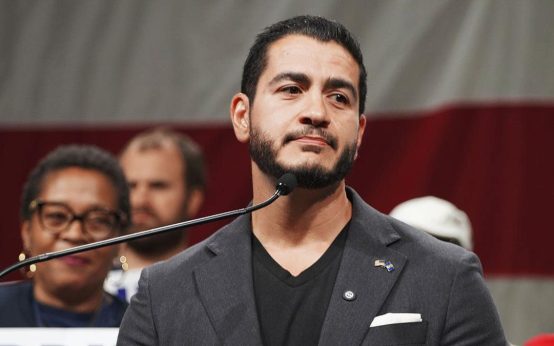 El-Sayed Questions Israel’s Identity as Democratic or Jewish State
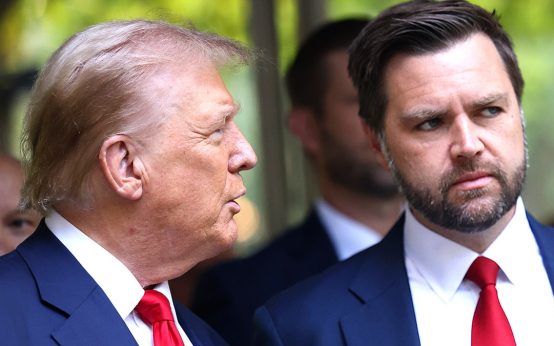 Trump Comments on Increased Iranian Drone and Missile Activity
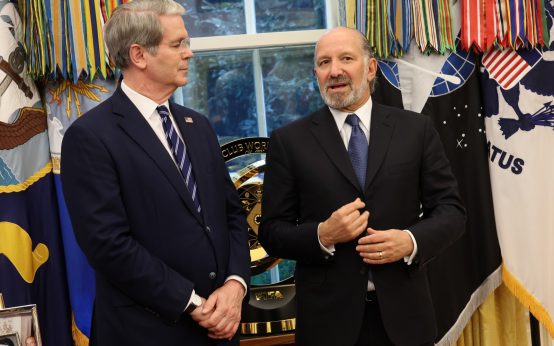 Tensions Rise Over AI Chip Exports to China Involving Trump Officials
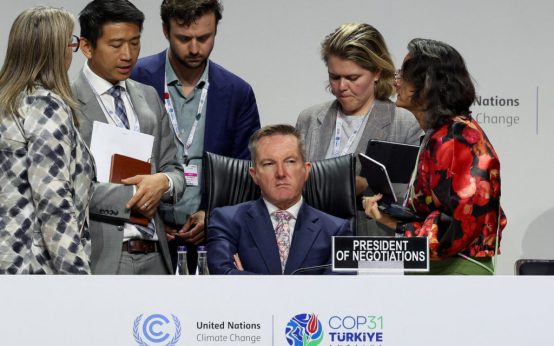 Failed UN Climate Talks in Turkey Highlight Fossil Fuel Dilemma