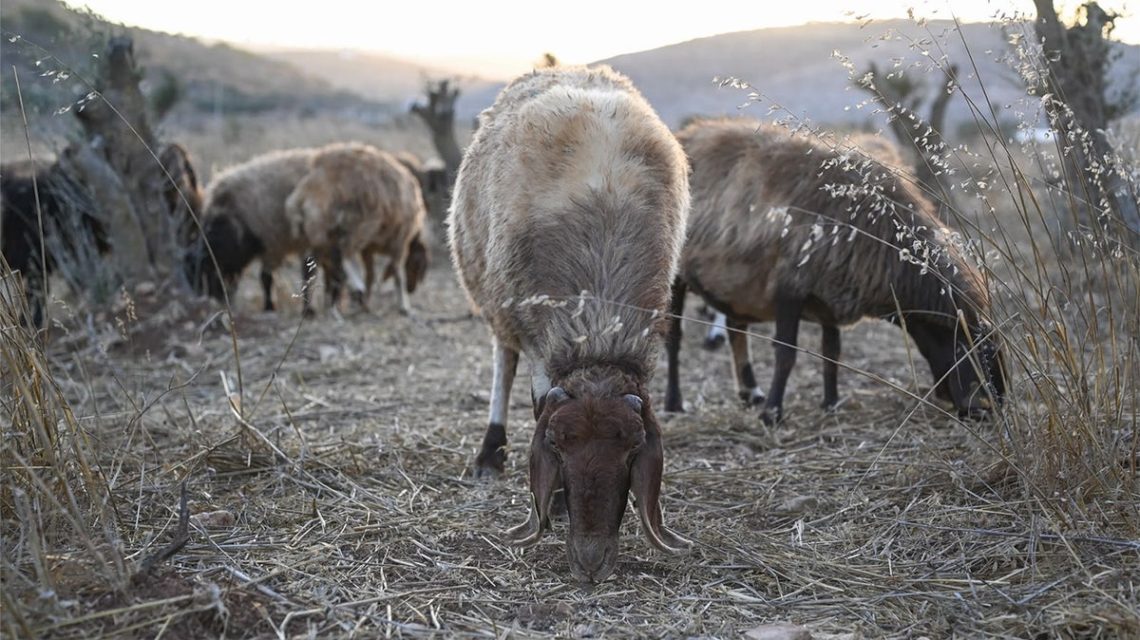
A series of suspected animal poisonings has raised alarms among Israeli security officials, farmers, and community leaders. These incidents pose a growing threat to agricultural communities in Israel.
Farmers report significant losses of livestock. They warn that poisoned food and water sources could harm other animals and residents nearby. An Israeli source disclosed to Fox News Digital that military officials are addressing reports of animal poisonings on Jewish-owned farms in the West Bank, often referred to in Israel as Judea and Samaria. These acts are described as “agricultural terror.”
The issue gained attention following an investigation by The Press Service of Israel (TPS-IL). The investigation identified numerous poisoning incidents across the Binyamin region in the past year.
An Israeli farmer alleged that poisonings occurred using substances placed in food items like dates and pita bread.
Israeli agricultural workers claim Palestinian militants have poisoned their livestock since November 2025. Poison reports are increasing, according to sources, who described dozens of cases in recent weeks. Authorities respond to intelligence about potential poisonings by apprehending responsible individuals when possible.
The source advised farmers to stay in approved grazing areas, properly mark livestock, and file complaints for each incident. Animal poisoning is considered a cruel and inhumane act.
Evyatar Karo, a leader in the farming movement, spoke on the impact. At his Metzudat David farm, located north of Jerusalem, he witnessed livestock suffering from poisoning. Karo recounted finding his goats struggling to breathe, drooling, and discovering scattered dates containing a suspicious blue substance.
He attempted to save the goats with veterinary medication. One goat survived, but four died. Investigations revealed the poisoning near areas where Israeli farmers take their livestock to graze. Palestinian militants are blamed for these attacks.
Karo identified Lannate, a potent carbamate insecticide, as one of the poisons used. His farm lost 25 animals to poisonings.
“It’s a terrible thing. The animals just die in your hands,” Karo stated, highlighting the severity of the poison.
Elsewhere in the region, poisoned water cisterns and livestock deaths have been reported. The events have prompted some farmers to fear an escalation in the conflict.
Palestinians have also accused Israelis of retaliatory poisonings. WAFA, the official Palestinian Authority news agency, reported incidents of poisoned Palestinian livestock. Palestinian sheep owner Suleiman Mleihat claimed “Israeli settlers” sprayed toxic substances, resulting in the death of his sheep.
The governor of the Binyamin region, Yisrael Ganz, warned of broader threats. Anyone willing to harm animals could eventually target humans. Ganz emphasized the potential for poisons to contaminate water sources, potentially affecting thousands of people.
In response, body cameras funded by donors have been distributed to shepherds, though authorities must take further action. Ganz stressed the importance of addressing these threats promptly and effectively.
The Coordinator of Government Activities in the Territories (COGAT) confirmed that thorough investigations are conducted, and samples are tested at specialized laboratories. Environmental protection in Judea and Samaria remains a priority.
The Israel Police, responsible for investigating these incidents, had not responded before publication.
 Ukraine’s Drone Assault on Russia and Libya
 Mark Ruffalo Faces Backlash After Criticizing Sen. Chuck Schumer
 El-Sayed Questions Israel’s Identity as Democratic or Jewish State
 Trump Comments on Increased Iranian Drone and Missile Activity
 Latest Developments on Political and International News
 Mass Shooting at Private Concert in Tulare County Injures Nine