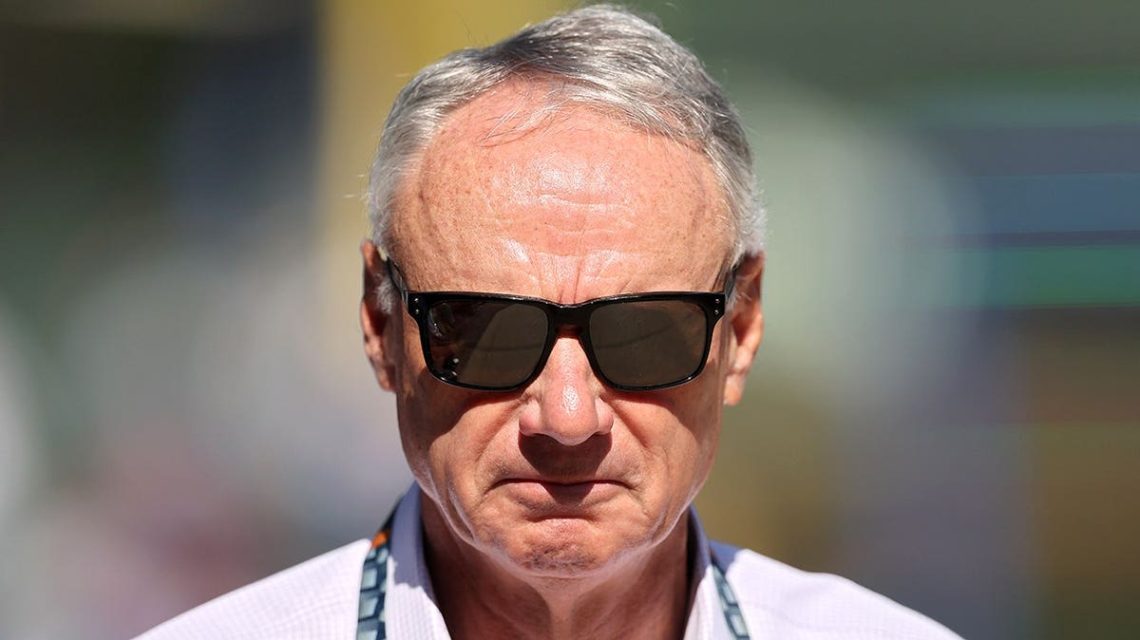
The tension in Major League Baseball is mounting as the expiration date of the Collective Bargaining Agreement (CBA) between team owners and the MLB Players Association approaches swiftly. We’re merely a fortnight away from this pivotal moment that could impact the upcoming seasons.
The previous CBA talks, starting in December 2021, extended over nearly 100 days, delaying the 2022 season start and necessitating adjustments to the schedule. This time, the negotiations promise to be more contentious, with owners aiming to introduce a salary cap—an idea that’s met with significant resistance from players.
Commissioner Rob Manfred Speaks Out
Commissioner Rob Manfred, during a recent news conference, defended the proposal for a salary cap. He asserted Fans’ demands for reform in the sport’s economic structure, emphasizing no compromise on a salary cap. Despite his optimism, the Players Association remains firmly opposed.
Manfred made it clear that while he’s open to discussion, he’s calling on the Players Association to step towards middle ground. However, this stance has been met with criticism from players, highlighting a significant gap between the two sides.
Players Strike Back
Bruce Meyer, head of the MLB Players Association, issued a statement denouncing the owners’ rigidity and the potential impact on player compensation and negotiation rights. The players argue that the proposed system aims to artificially depress player salaries, ultimately benefiting owners’ bottom lines.
Manfred stated a lockout might be avoided if a deal is reached around Thanksgiving, showing a willingness to negotiate. However, his comments suggest owners prefer a cap, raising concerns about a looming work stoppage.
The Implications for Competitive Balance
Baseball has traditionally operated without a salary cap, preferring revenue sharing to support smaller market teams. Critics argue that introducing a cap could disrupt the competitive balance currently evident, with teams like the Milwaukee Brewers and Tampa Bay Rays consistently competing at high levels without exorbitant spending.
The parity in baseball, often driven by the sport’s unpredictability, could be skewed by the owners’ proposed economic changes. Despite significant market spending, teams like the Toronto Blue Jays and Philadelphia Phillies haven’t achieved championship success, reinforcing the existing system’s competitive equity.
What Lies Ahead?
The looming deadline carries uncertainty about the league’s future structure and its impact on fans. History shows previous lockouts were lengthy, and a protracted stalemate over a salary cap could significantly delay or disrupt future seasons.
Owners seem poised to push their agenda, raising questions about the long-term effects on both player earnings and fan engagement. As time winds down, the bargaining positions remain distant, signaling a rocky path ahead for professional baseball.
 Community Gathers for 50th Annual Turkey Trot in Lincolnwood
 The Washington Commanders and Their Lingering Legacy
 Top DuPage County Boys Basketball Teams to Watch
 Seattle Seahawks’ Leonard Williams and Wife Expecting Second Child
 Selena Gomez Cheers Spurs’ Victor Wembanyama to NBA Record
 NASCAR Offseason and Driver Updates