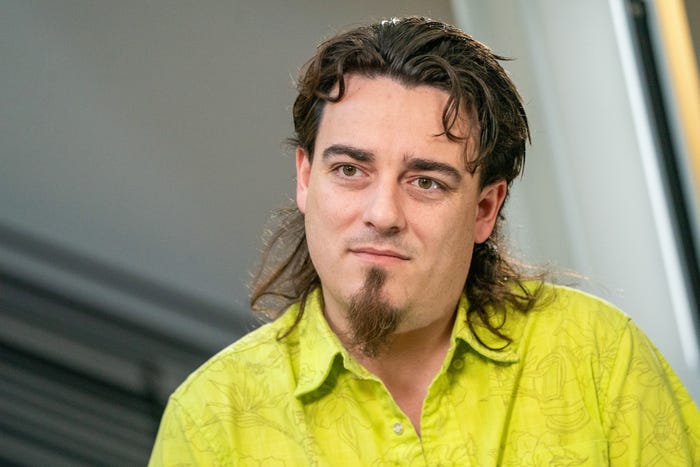
Palmer Luckey, cofounder of Anduril, shared plans for a seastead called “SLAB,” aiming to host essential industries off the US coast. This concept seeks to bypass local regulations, fostering sectors like oil refining and medical research cost-effectively.
In his X post, Luckey expressed that this floating development aims to cut costs compared to mainland operations and provide a solution to “outdated rules.” He believes such a facility would bolster American strength while relieving regulatory pressures.
Luckey attached an AI-generated image of “SLAB,” showcasing a vast concrete platform with factories and corporate structures atop ocean waves. The funding for this venture stems from Luckey’s sale of Oculus to Facebook in 2014 for $2 billion, along with financial contributions from unnamed associates who valued the project at $1 billion.
Identified as a disruptive force in technology and defense, Luckey advocates for revitalizing American industry. His defense startup, Anduril, which deals in advanced software and technology for military use, has secured substantial contracts and was valued at $61 billion in a recent funding round.
Besides Anduril, Luckey’s endeavors include a retro-gaming company, ModRetro, a digital banking startup, Erebor, and a dog-breeding firm, Warhound. While Luckey is not the first to explore regulation-free seasteads, previous initiatives like that of venture capitalist Peter Thiel faced feasibility challenges.
Luckey’s plan reflects his ambition to challenge regulatory constraints hampering American industrial growth, proposing a novel sea-based approach.
 Amazon Enlists NYC Customers Against City Council Bill
 The Controversy Surrounding Jensen Huang and Nvidia
 GAO Finds Federal Agencies Lacking in Cybersecurity Planning
 Grand Theft Auto VI Sparks Relationship Challenges
 AI and Robotics Redefining Workforce Skills
 Cybersecurity Breach Exposes Bank Customer Data