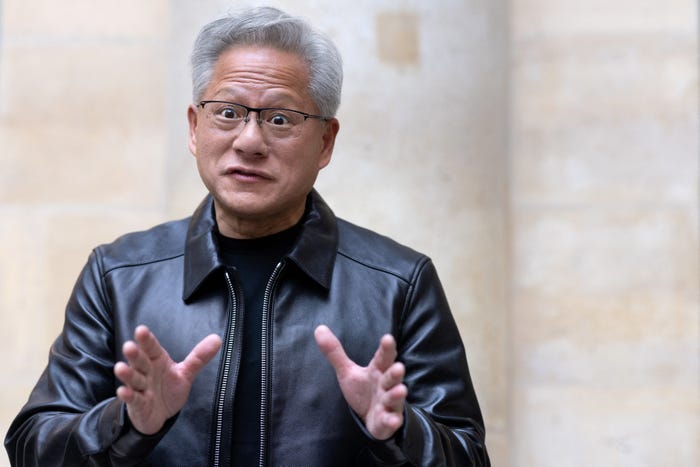
Jensen Huang’s Departure
Jensen Huang, who cofounded Nvidia in 1993, resigned as CEO amidst controversy. An extramarital affair scandal and an investigation into possible foreign intelligence efforts against him precipitated his exit. His departure marks the end of a notable tenure that saw Nvidia’s evolution from a small chipmaker to a giant in the AI industry.
Other Notable Founders Ousted
Instances of founders being removed from the companies they built are more frequent than many assume. Steve Jobs and Elon Musk are among the renowned figures who faced such challenges. Here is a look at eleven tech founders who were ousted from their own companies:
Steve Jobs, Apple
In 1985, nine years after cofounding Apple, Steve Jobs experienced a pivotal setback. Conflicts with CEO John Sculley due to declining sales and Jobs’ managerial style led to his resignation. However, Jobs’ journey with Apple resumed when the company acquired his next venture, NeXT, for $427 million in 1996. He then returned as Apple’s CEO.
Sam Altman, OpenAI
Sam Altman cofounded OpenAI, turning it into a key player in the AI industry with the launch of ChatGPT. In late 2023, the board removed him over concerns about his leadership. Yet, widespread support from employees and investors led to his reinstatement just four days later.
Jerry Yang, Yahoo
Yahoo’s cofounder, Jerry Yang, became CEO in 2007, only to face significant challenges. When Microsoft offered $44 billion for Yahoo, Yang’s reluctance to sell led to a significant drop in share prices after the talks failed. Facing mounting criticism, he resigned as CEO but remained with the company in another capacity until 2012.
Jack Dorsey, Twitter
Jack Dorsey experienced a unique situation at Twitter, being ousted twice. Initially removed in 2008, he later returned as CEO in 2015. Yet, Elliott Management’s intervention in 2020 led to his second departure, citing concerns over his attention being split with Square.
Sam Bankman-Fried, FTX
Sam Bankman-Fried saw a rapid rise with FTX, but his journey took a turn in 2022. Reports of financial entanglements with Alameda Research led to a crisis, culminating in FTX’s bankruptcy and Bankman-Fried’s replacement. In 2024, he was sentenced to 25 years in prison.
Elon Musk, X.com
Elon Musk founded X.com in 1999, merging it with Confinity a year later. Internal disagreements over the company’s direction led to Musk being replaced by Peter Thiel. Despite this, Musk’s entrepreneurial journey continued with ventures like Tesla.
Martin Eberhard, Tesla
Martin Eberhard, Tesla’s cofounder, ceded the CEO role to Elon Musk in 2007 after company board decisions while he was absent. Eberhard’s subsequent lawsuit against Tesla highlighted contention over his removal, ending in a settlement.
Travis Kalanick, Uber
Uber cofounder Travis Kalanick’s tenure as CEO ended amidst a series of scandals. Accusations of a toxic workplace culture and specific incidents spurred an internal probe, resulting in Kalanick’s resignation in 2017.
Eduardo Saverin, Facebook
Eduardo Saverin, a Facebook cofounder, was squeezed out in 2005 after the company’s structure was altered. His 30% stake reduced significantly, prompting legal action against Facebook. The case concluded with a settlement that reinstated his title as cofounder.
Andrew Mason, Groupon
Andrew Mason, Groupon’s creator, witnessed the company’s decline post-IPO. Criticism of his leadership and the company’s performance led to his firing in 2013, despite Groupon’s initial buzz.
Palmer Luckey, Oculus VR
Palmer Luckey founded Oculus VR, which Facebook acquired for $2 billion. However, his political donations in 2016 caused controversy, leading to his departure. Mark Zuckerberg later declared the departure was unrelated to Luckey’s political views.
This overview highlights the turbulent journeys of several innovators in the tech sector.
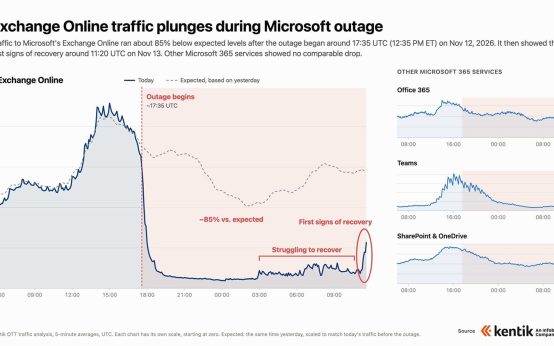 Microsoft Outage Disrupts Global Systems and Services
 Voter Resistance to AI and Data Centers in the 2026 Midterms
 The Huang Affair: Espionage, Export Controls, and AI Tensions
 Singapore’s Megaspeed and U.S. Export Restrictions