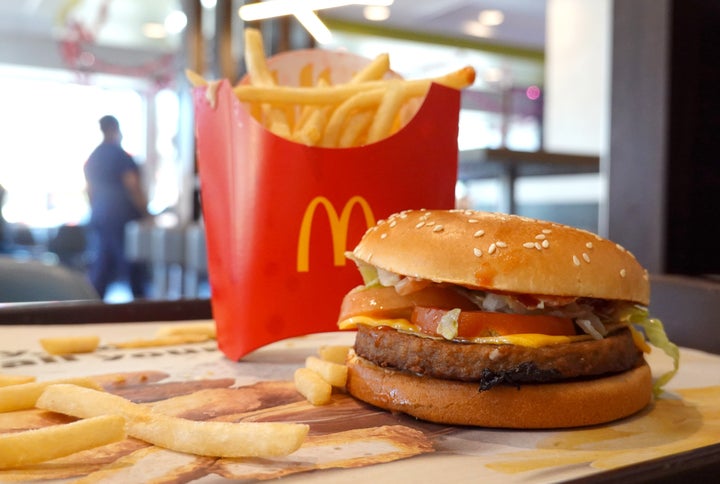
Actor Jessica Biel once mentioned that her kids “don’t get McDonald’s.” She prefers to “pay more” for them to “have something fancy.” While some see this as classist, it brings up a broader question for many parents: Is McDonald’s a suitable meal option for kids?
Parents often worry that opting for fast food makes them “bad parents,” or that it’s entirely unhealthy. However, nutritionists suggest the situation is more nuanced. Here’s what nine experts think about letting kids eat at McDonald’s and under what circumstances.
Balance and Flexibility in Food Choices
Rachel Trotta, a fitness nutrition specialist and personal trainer, doesn’t focus on “allowing” or “forbidding” McDonald’s. Her approach emphasizes developing healthy food attitudes without strict rules. She fills her home with whole foods, prepares most meals herself, and carries fruits for outings. Although her daughter hasn’t had McDonald’s yet, it’s not off-limits. Trotta emphasizes her child learning to listen to her bodily needs.
Julia Cassidy, a dietitian with the Eating Recovery Center, views food without moral labels. She believes restricting specific foods can lead to guilt and unhealthy eating habits. Cassidy treats McDonald’s meals the same as any other. She uses McDonald’s for convenience, family traditions, or simply enjoying the food.
Special Occasions and Social Flexibility
Megan Wroe, a registered dietitian at St. Jude’s Wellness Center, doesn’t deem any food a complete “no.” She believes in offering homemade food as much as possible, reserving fast food for special occasions or busy days.
Aliza Marogy, a UK-based registered nutritionist, also takes her child to McDonald’s during special social events. She values education about nutrient-dense foods and sometimes makes alternatives at home, like homemade burgers.
Occasional Inclusion and Practicality
Heidi McIndoo, a Boston-based registered dietitian, talks about the psychological impact of food restrictions, which can make banned foods more appealing. She views McDonald’s as an occasional option, focusing on meal balance and gentle nutrition principles.
Sarah Schlichter, a registered dietitian from Bucket List Tummy, supports flexible food choices for convenience and affordability. Schlichter integrates additional nutrition, like fruit, into fast-food meals and views them as a part of daily life without categorizing them as “healthy” or “unhealthy.”
Inclusivity in Diet
Nikki Fata, founder of Nutrition with N, embraces all foods as part of a healthy diet, including McDonald’s. She notes their accessibility, convenience, and variety. Fata stresses viewing food as enjoyable and warns against rigid food rules causing fixation.
Practical Choices and Social Situations
Kristi Ruth, a registered dietitian, doesn’t prefer McDonald’s but allows her kids to choose it occasionally with friends or when they drive themselves. She notes that without restrictions, her kids show less interest.
Yvette Hill, a registered dietitian nutritionist, lets her kids enjoy McDonald’s on special occasions, like gatherings with friends. She focuses on overall diet quality, acknowledging single fast-food experiences won’t dominate their intake.
“I believe what matters most is helping children develop a positive, informed relationship with food that will serve them throughout their lives.” — Aliza Marogy
Most nutritionists agree that McDonald’s can fit into a healthy relationship with food. Nikki Fata emphasizes personal choice in nutrition without imposing shame on others for their food decisions.
 Challenges Posed by Antibiotic-Resistant Bacteria
 28-Year-Old’s Painful Struggle with Sertraline-Induced Nerve Disorder
 Enhancing Senior Fitness: Breaking Exercise Barriers
 Boston Man Shares Stroke Experience at 27
 Contagious Bird Flu Outbreak in Wisconsin Backyard Flock