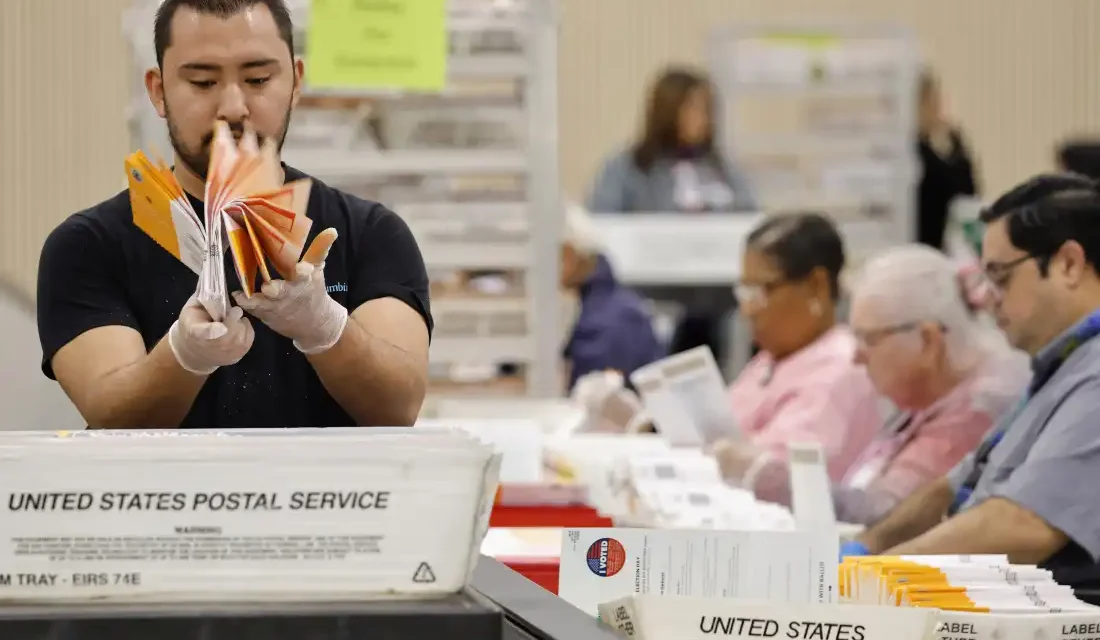
In the lead-up to Election Day, officials in the Trump administration intensified efforts to address voter fraud, particularly focusing on alleged illegal voting by non-citizens in California. Election Day has passed, but officials continue to scrutinize voter rolls, seeking out non-citizens and addressing what they perceive as election official intimidation tactics.
James Williams, the county executive for California’s Santa Clara County, conveyed skepticism about these efforts: “It’s clear that there is this drive to try to conjure up facts that just don’t exist,” he told NPR. “We fully are prepared to continue to deal with this.”
In recent developments, several individuals have faced charges for allegedly voting as non-citizens, although such cases remain rare. Federal officials claimed they identified 20,000 likely non-citizens on California’s voter rolls, prompting a lawsuit seeking to prevent counting unverified ballots. This lawsuit was ultimately rejected by courts at various levels, including the U.S. Supreme Court.
Amid the legal battles, U.S. Attorney General Todd Blanche stated, “We are actively, and will continue to investigate election integrity cases.” Despite this, recent court losses have presented challenges for federal interventions in state voter list maintenance.
Anna Baldwin from the Campaign Legal Center emphasized the difficulties faced by federal authorities, noting substantial setbacks in court due to the lack of Congressional authorization for their actions.
Recent court rulings have reinforced state autonomy in conducting elections and questioned federal data accuracy. A significant ruling from Washington D.C. highlighted that distributing lists of alleged non-citizens violated the Privacy Act, and the federal government lacks statutory authority for such actions.
Meanwhile, federal prosecutors vow to continue pursuing non-citizen voting cases. San Luis Obispo District Attorney Dan Dow investigates flagged potential non-citizen voters in his county, with charges filed against one individual. Loyola Law School’s Justin Levitt anticipates only a limited number of cases, consistent with historical data.
The Department of Justice has issued warnings to California counties, emphasizing the risk of committing federal crimes if election officials tabulate ballots from identified non-citizens. This has raised concerns about criminal probes aimed at counties.
Williams from Santa Clara County hopes for a collaborative approach with federal entities: “We should be aligned in facilitating every citizen exercising their right to vote. And of course, we want voter rolls that don’t include non-citizens.”
Federal data inaccuracies have been a significant hurdle. Initial claims by Trump of 250,000 non-citizens registered in several states faced pushback from state officials. An analysis by UCLA’s Voting Rights Project found significant errors in the DOJ’s list of 20,000 names, including incorrect matches and duplicate entries.
Santa Cruz County’s election official noted numerous inaccuracies in the DOJ-provided list, with mismatched names and implausible birth dates. Federal attorneys have acknowledged these flaws during court proceedings.
Judge David Carter had intended to evaluate the federal data’s accuracy before the DOJ withdrew its lawsuit. Questions remain about potential Privacy Act violations during this data use, with expectations of closer scrutiny from a Democrat-controlled Congress.
“I think we’re going to have some very serious scrutiny of the Department of Homeland Security and their methodology,” commented David Becker from the Center for Election Innovation and Research, anticipating an investigation into federal efforts to demonstrate widespread non-citizen voting.
 The Changing Political Landscape in Texas
 Stephen Miller Implements New Lobbyist Rules in the White House
 New Charges in White House Correspondents’ Dinner Shooting
 Voter Resistance to AI and Data Centers in the 2026 Midterms
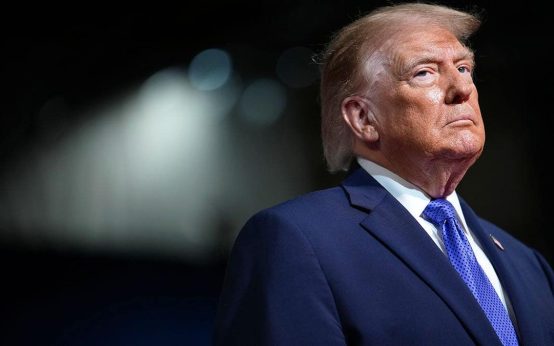 Lawmakers Warn of Consequences if FISA Expires
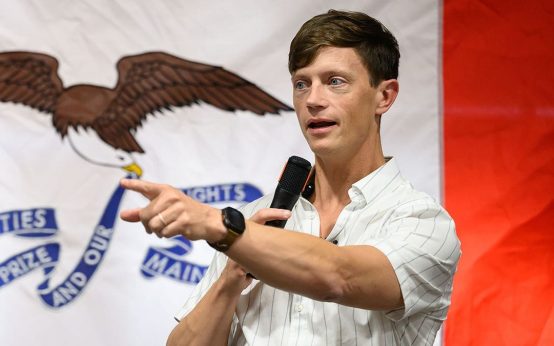 Democrats Face Decision: Investigate Trump or Seek Collaboration