As newly elected members of Congress gathered on Capitol Hill for orientation, the recent midterm results began reshaping the political landscape. The election outcomes highlight potential vulnerabilities in Republican-held Senate seats for 2028. All 435 House seats and a new class of Senate seats will be sought by candidates in that election year.
The midterm elections resulted in a noteworthy shift. Democrats gained control of both the U.S. Senate and House, supported by surprising wins in traditionally Republican states. For instance, James Talarico secured a Senate seat in Texas, while Annie Andrews did so in South Carolina. However, key Senate races remain unresolved, notably in Alaska and Mississippi.
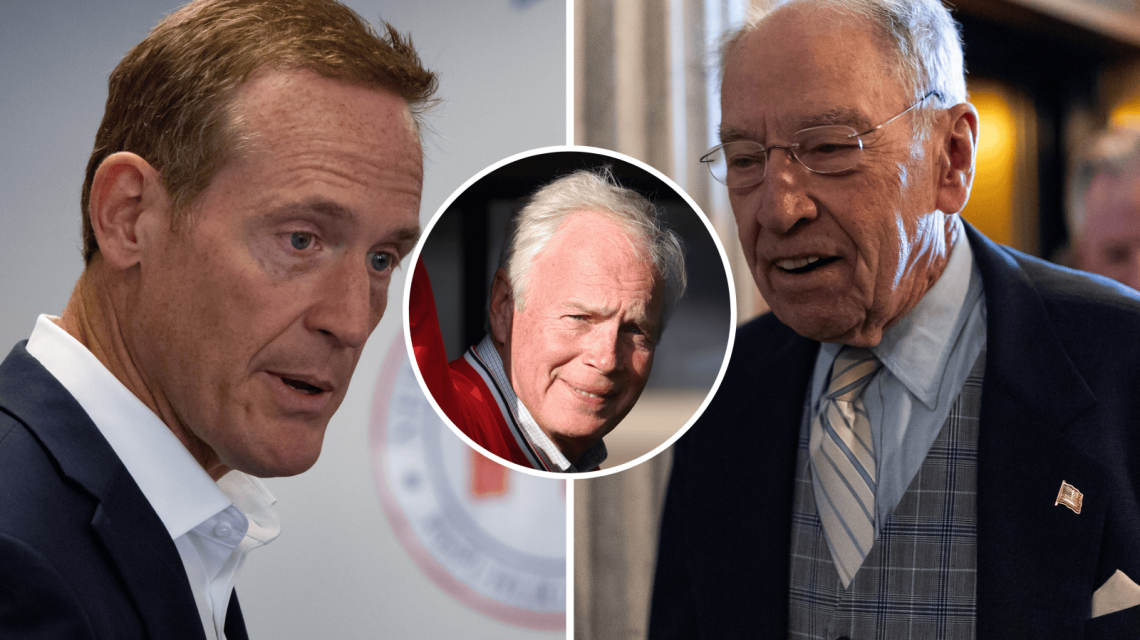
For the GOP Senate seats, Iowa’s Chuck Grassley, Wisconsin’s Ron Johnson, and North Carolina’s Ted Budd are seen as the most susceptible to Democratic challengers.
Chuck Grassley, Iowa
Grassley, first chosen for the Senate in 1980, would be 95 during the 2028 election cycle. His age, combined with Iowa recently electing Democrat Josh Turek, adds to his vulnerability. David Cohen, a political science professor at the University of Akron, suggested that if Grassley runs and wins another term, he would surpass 100 years of age.
Grassley’s retirement is a potential risk, offering a strategic advantage to the Republicans as Iowa’s current governor could appoint a replacement. This situation would change if a Democrat governor like Rob Sand were to take office. Nonetheless, Grassley’s office has ruled out any plans for resignation.
Ron Johnson, Wisconsin
Johnson narrowly retained his Senate seat with a mere 1 percentage point margin. He has indicated the possibility of not seeking another term. Dave Hopkins from Boston College noted that a challenging campaign awaits if Johnson decides to run again.
The political atmosphere in Wisconsin remains tense, with Democrats and Republicans evenly splitting U.S. House seats, while a Democrat secured the governorship with a substantial win.
Ted Budd, North Carolina
North Carolina’s Ted Budd may face a significant challenge if he runs for re-election. Cohen identified North Carolina as a crucial battleground, where Budd is vulnerable. Prof. Henrik Schatzinger of Ripon University reminded that Budd’s last win was by a thin three-point margin. Meanwhile, Democrat Roy Cooper secured another Senate seat by a wide margin.
Other GOP Seats at Risk
Additional Republican senators might also be at risk in 2028. These include Lisa Murkowski from Alaska, Jerry Moran from Kansas, and Ashley Moody from Florida. The competition is fierce, including Alaska, where Democrat Mary Peltola is vying with Republican Dan Sullivan. Kansas elected its first Democrat, Adam Hamilton, to the Senate since 1932. Although Florida largely held back the blue wave, some Democrat successes were noted.
Shaping Future Campaigns
The midterm outcomes may influence how Republican senators from competitive states approach their next term. They might prioritize issues vital to voters, like affordability and economic concerns, distancing themselves from unpopular national policies.
Sharon Austin from the University of Florida believes every U.S. senator up for the 2028 election is potentially vulnerable given the recent election outcomes proving Democratic candidates win with strong voter turnout.
Journalists at Newsweek, with Martyn, their AI assistant, compiled this report.
For editor contact: Samantha Beech and Gray R. Thomas.
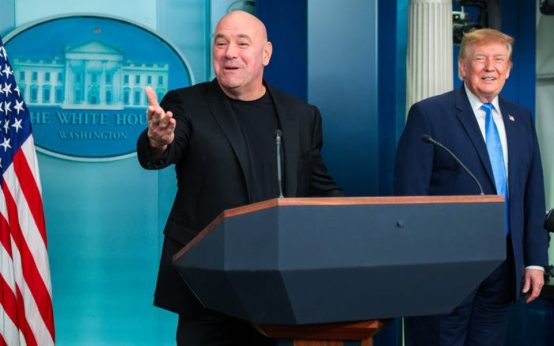 UFC’s Dana White Declines White House Press Secretary Role Amid Vacancy
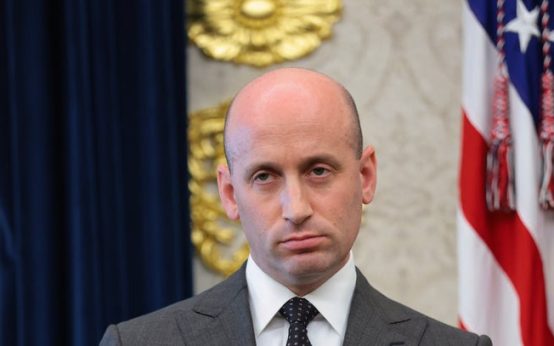 Stephen Miller’s Influence and Controversies
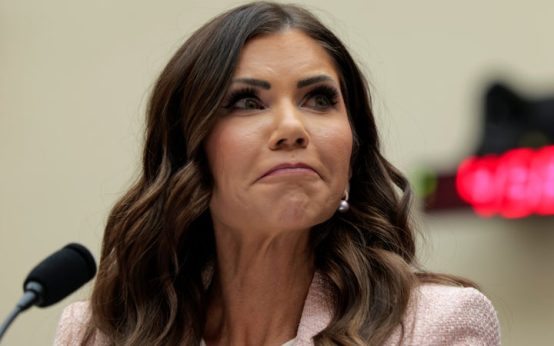 Kristi Noem’s Controversial Boast and the Reaction It Sparked
 Trump’s Response to Vance’s Criticism Amid Iran War Controversy
 California Voters Reject Billionaire Tax Proposal
 Trump’s Association with Nvidia CEO and China Espionage Concerns