
The potential for bipartisan cooperation in foreign policy may be greater than anticipated. Recent developments have shown a unique dynamic in current political strategies.
On November 9, 2026, an image captured President Donald Trump alongside Secretary of State Marco Rubio in the Situation Room. This situation reflects on Trump’s distinct approach to foreign policy, which many consider unsuccessful and unconventional.
Among the Republican ranks, there’s minimal support for some of Trump’s actions. These include the ambitions to annex Greenland, control Venezuela’s oil, and creating tension with Canada. Additionally, actions like severing ties with Ukraine, imposing tariffs on allies, and showing excessive admiration for authoritarian regimes have raised concerns.
Trump’s administration has also been criticized for purchasing diesel from Russia, engaging in a conflict with Iran, and destroying alleged drug-trafficking vessels. Ventures benefiting Trump’s family financially are also under scrutiny.
These issues highlight opportunities for Democrats and Republicans to find common ground. Addressing these foreign policy decisions could lead to more effective and cooperative international strategies.
 Custody Dispute Involving Rep. Max Miller Delayed
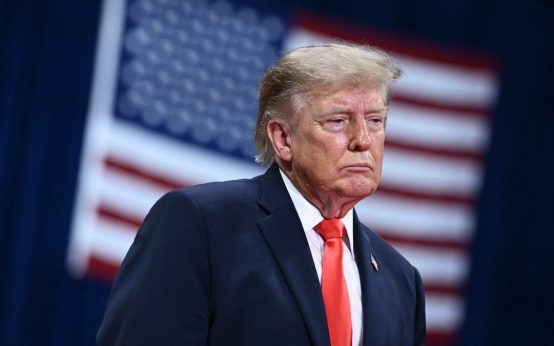 Attorney General Addresses Post-Midterm Democratic Threats
 Senator Elizabeth Warren and the Future of Crypto Regulation
 Political Shifts and Concerns Post-Midterms
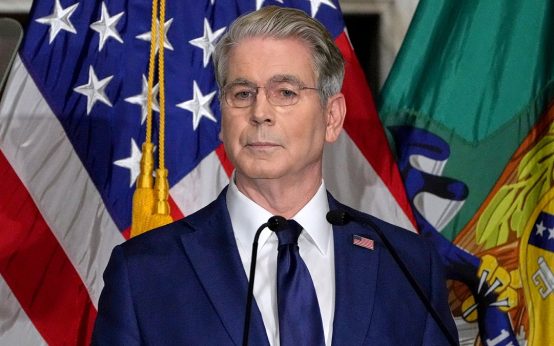 Closing the Foreign Financing Loophole in American Lawsuits
 Pro-Life Movement Strategy Amid Changing Political Landscape