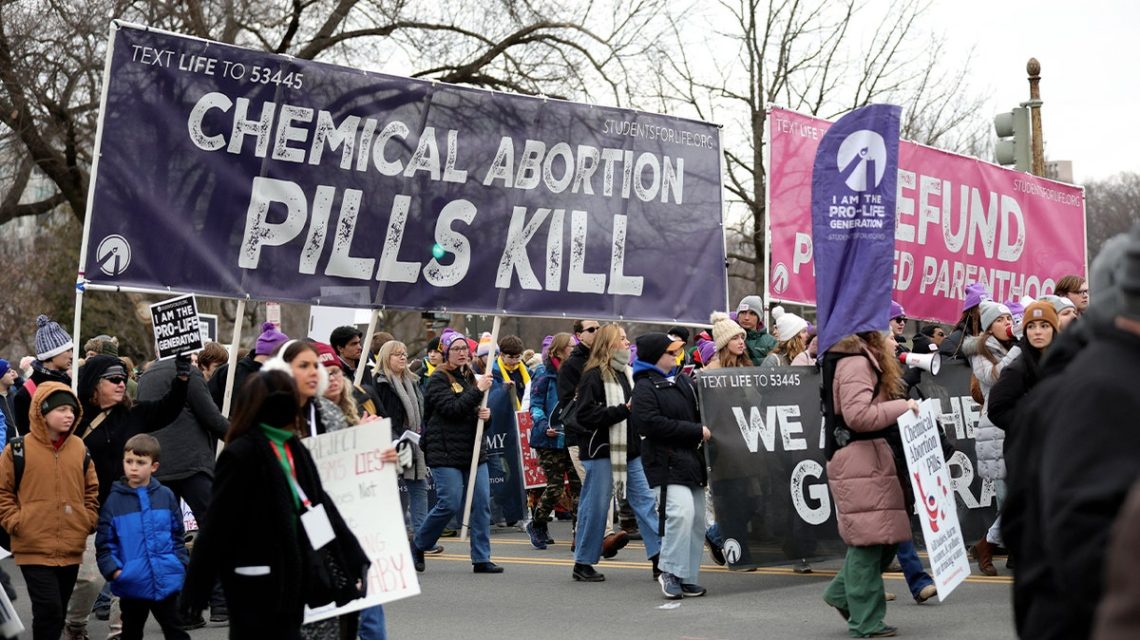
On Tuesday, Nov. 3, Americans participated in elections that shifted congressional majorities away from the pro-life agenda. This change follows two years of strong pro-life leadership marked by the defunding of many abortion providers from federal Medicaid dollars.
Despite these setbacks, the pro-life movement has persevered through difficult periods before and succeeded. To remain effective in the coming years, focusing on core objectives is crucial.
Current Political Environment
The recent elections saw a significant rise in Democratic power. Key races still hang in the balance, affecting future decision-making. The priority for the pro-life movement should be defending longstanding provisions. For months, the Hyde Amendment, preventing taxpayer-funded abortions, has faced threats from the pro-abortion Congress. Additionally, conscience protections under the Weldon Amendment for healthcare providers opting not to perform abortions are at risk.
This pro-abortion Congress aims to impose its views on Americans. Despite this, both the Hyde and Weldon amendments have withstood such challenges in the past, including during the 117th Congress. In 2021, the House Appropriations Committee advanced a spending bill that excluded these amendments, yet pro-life organizations successfully rallied support, emphasizing the need to protect these provisions.
Continuing the Fight
Congress needs constant reminders that maintaining these protections aligns with bipartisan public support. According to the 2026 Knights of Columbus/Marist poll, 54% of Americans oppose taxpayer funding of abortion, and 63% support conscience protections for healthcare providers.
Pro-abortion lawmakers may push for the Women’s Health Protection Act. This act seeks to codify the state of abortion rights under Roe v. Wade, eliminating restrictions before viability. Such a law would remove critical safeguards for women, like mandatory ultrasounds and waiting periods, and allow unrestricted mail-order abortion.
Pro-life groups call this bill the “Women’s Health Endangerment Act” and have successfully opposed it since 2013. While it passed the House under the 117th Congress, it failed in the Senate. Currently, concerns arise that the new Congress may bypass procedural checks like the filibuster. Pro-life advocates must stand together against such tactics.
Beyond Congress
Congress is just one part of a broader political landscape where pro-life actions continue within the Trump administration and at the state level. The pro-life movement has navigated eras of pro-abortion dominance and secured historical victories, like the Dobbs decision after the 117th Congress.
Administrative action remains a viable path. The FDA’s review of the abortion pill awaits completion, with updates expected by March 2027. Revising in-person dispensing requirements for mifepristone remains necessary. Agencies must ensure their reviews withstand partisan scrutiny.
The Trump administration retains authority to challenge Biden-era decisions, such as the Office of Legal Counsel’s interpretation of the Comstock opinion. Enforcing related laws through the Department of Justice is essential to curb mail-order abortion, which endangers women nationwide.
Commitment to the pro-life mission across all 50 states is vital. Even in states traditionally supportive of pro-life measures, vigilance is necessary, as seen in Texas where support wavered. The political landscape in America involves ongoing cultural debates. As Justice Antonin Scalia expressed, resolving pivotal issues like abortion rests with citizens engaging in discourse and voting.
 Custody Dispute Involving Rep. Max Miller Delayed
 Attorney General Addresses Post-Midterm Democratic Threats
 Senator Elizabeth Warren and the Future of Crypto Regulation
 Bipartisan Opportunities in Foreign Policy
 Political Shifts and Concerns Post-Midterms
 Closing the Foreign Financing Loophole in American Lawsuits