The NASA logo appears at the Johnson Space Center in Houston on August 28, 2026. For those dreaming of lunar missions, a new opportunity has arrived. NASA is accepting applications for aspiring astronauts.
Selected candidates will test spacecraft and live on a future moon base, according to NASA Administrator Jared Isaacman. “These missions require technical skills, teamwork, and courage,” he stated. “Our astronaut corps includes remarkable individuals tackling extraordinary challenges for the nation.”
The current astronaut corps consists of 32 active members. Since the 1960s, 370 individuals have been selected for astronaut training. The selection process is highly competitive; out of over 8,000 applicants last time, only 10 were chosen.
Applications are open to U.S. citizens without age restrictions. Applicants need a master’s degree in a STEM field such as engineering or math. Recently, nursing degrees were included in NASA’s STEM definition. Anna Schneider from NASA clarified, “Master’s-level nursing degrees now qualify as STEM, meeting our educational requirements, whereas previously they did not.”
NASA requires candidates to have three years of related work experience after their degree. Alternatively, PhD candidates in STEM, doctors, or experienced pilots can apply. Successful candidates will undergo two years of training.
Astronauts will prepare for challenging missions, including those targeting the moon’s South Pole. NASA plans to return humans to the moon by 2028, leveraging systems developed by private companies like Blue Origin and SpaceX. In a recent press conference, Isaacman expressed confidence in a 2027 launch for the Artemis III mission.
The starting salary for astronauts is $164,395, and applications will be accepted until December 3.
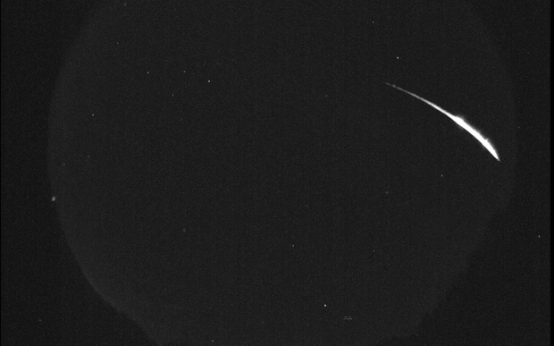 Meteor Lights Up Skies Over North Carolina and Tennessee
 Can AI Possess Consciousness and Emotion?
 Scrutiny and Leadership in Focus
 NASA Seeks Next Generation of Astronauts for Moon and Mars Missions
 Restoring Confidence in American Scientific Careers
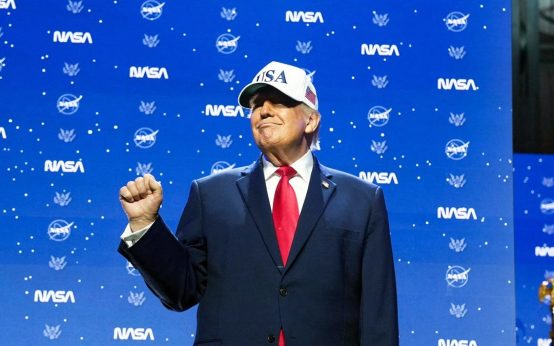 Trump Unveils NASA’s Mars Mission Plans