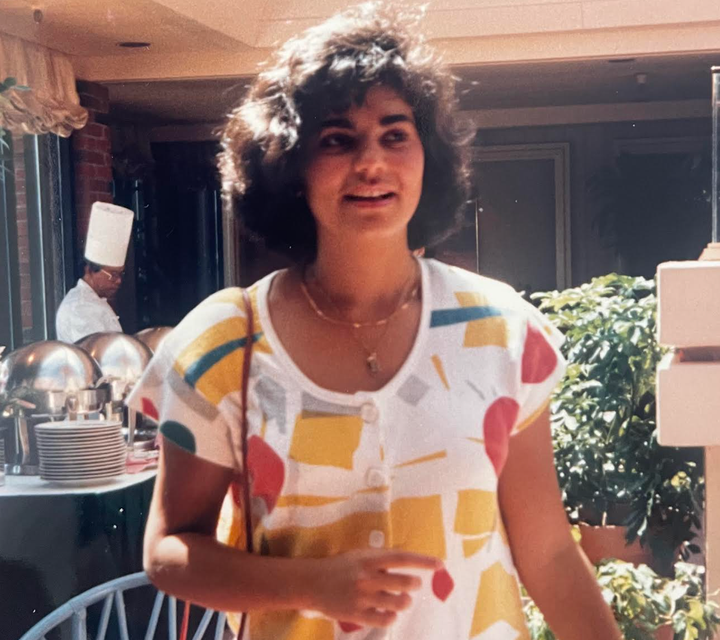
In my late 40s, I experienced a profound sense of emptiness. My teenagers were becoming more independent, focusing on their activities and needing me less. My husband was caught up in his career and, although he tried to help, was unable to lift me from this dark state. Feeling overwhelmed by even the smallest challenges, I found myself often on the verge of tears.
One day, after spending hours contemplating the void I felt, I reached out to my childhood friend, someone I had known since I was 14. Picking up the phone, I expressed my sense of numbness and being lost. Without hesitation, she invited me to her home in San Francisco. Initially hesitant, I recognized that I needed to try something different.
By the time we finalized our plans, another high school friend had joined our upcoming gathering. Someone known for her ability to lighten the mood, she was a welcome addition. That weekend, we spent hours talking at the kitchen table. I shared my feelings of despair and the challenges I faced. Together, they helped me devise a plan to return to work part-time, aiding in my journey to regain purpose.
A year later, supported by therapy and effort, I emerged from that dark period. Reflecting on this experience, it wasn’t their advice that stood out, but their willingness to rearrange their lives to help me. Such friendships were rare for me.
My past as a ‘third culture kid’, a term describing children who grow up in foreign environments, made forming close bonds difficult. Frequent relocations meant leaving behind budding friendships. By the time I was 12, I had attended numerous schools. Whenever I started to feel settled, I would have to move again.
Then, at 14, I was sent to a boarding school in California. For the first time, I found peers who, like me, were from different backgrounds. We formed bonds, sharing stories late into the night. This marked the beginning of a deep sense of belonging.
The friendships made during those formative years became as crucial to me as my marriage. However, society tends to elevate romantic relationships over friendships, which also play a vital role in well-being.
Rachel Goldman, a clinical assistant professor at NYU, emphasizes the importance of friendships for mental health. Strong friendships can mitigate stress, provide purpose, and reduce risks for chronic diseases. The Harvard Study of Adult Development, which began in 1938, highlights the importance of relationships in a long and happy life.
Even one or two close friends offering understanding and support can greatly affect your well-being. Goldman underscores that genuine friendships allow you to be authentic without pressure to perform or be perfect.
Often, careers and family take precedence, leaving friendships overlooked. Investing in friendships strengthens emotional resilience. Trusted friends can challenge distorted thinking and offer support during tough times.
Imagine if you celebrated friendships like romantic anniversaries. Simple gestures such as sharing a meal or a coffee can affirm these bonds.
During one of my darkest times, my friends supported me, reminding me of my identity beyond being a wife or mother. I no longer view friendships as secondary, but as essential and worthy of celebration and care.
Rebecca Morrison is the author of “The Blue Dress,” a novel about struggles with body image, familial relationships, and life as an immigrant. For more, visit rebeccakmorrison.com.
 The Challenges of Being a Female Massage Therapist
 10 Matching Sets for Thanksgiving: From Hosting to Relaxing
 A Journey of Friendship and Self-discovery: Celebrating 40 Years with Travel
 Restaurant Fees Spark Customer Backlash
 Denim Trend Revived by Celebrities: Barrel Jeans
 Winter White Sweaters for Holiday Gatherings and Cozy Nights