
America faces a growing issue with gambling, which is becoming increasingly concealed. Traditionally, addiction related to obvious vices like drugs and alcohol, and occasionally to those visibly gambling in casinos.
Now, advancements in artificial intelligence and mobile technology are exacerbating this problem. These technologies offer convenient access to gambling opportunities, masking the extent of the addiction crisis. In the past, gambling often required physical presence at a casino. Today, anyone with a smartphone can gamble at any time, from anywhere.
Experts warn that the ease of access and the implementation of AI-driven algorithms personalize gambling experiences. These algorithms keep individuals engaged, increasing the risk of addiction. They analyze user habits and preferences, offering tailored betting suggestions, which can lead to increased gambling frequencies.
Data shows a significant rise in online gambling, especially among younger demographics who are more adept at using new technologies. This shift to digital platforms also makes it harder to track and regulate gambling activities, complicating efforts to address the issue.
Measures to counter this growing crisis are critical. Public awareness campaigns and stronger regulatory frameworks must be considered to mitigate the risks posed by these technologies.
The intersection of technological innovation and public health concerns presents a challenge for policymakers. Addressing this requires understanding both the technological aspects and the societal impacts of the gambling crisis.
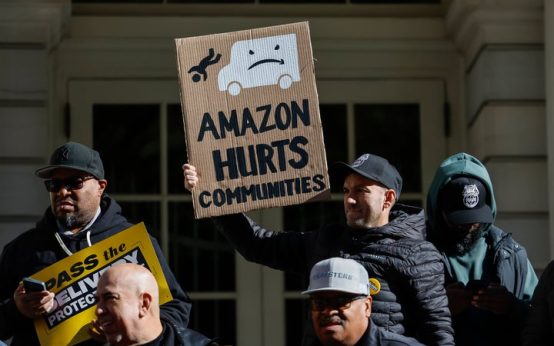 Amazon Enlists NYC Customers Against City Council Bill
 Navigating the Holidays with GLP-1 Medications
 Migration, Politics, Peace Talks, Health Alerts, Legal Settlements, and Fire Conviction News
 The Controversy Surrounding Jensen Huang and Nvidia
 Trump Open to Bipartisan Health Care Plan with Democrats
 GAO Finds Federal Agencies Lacking in Cybersecurity Planning