Humanoid robots at the Automate Show in Chicago are demonstrating significant advances in AI and robotics. Jeff Burnstein, President of the Association for Advancing Automation, highlights AI’s critical role in diversifying tasks across industries such as healthcare, manufacturing, and logistics. He stresses that robotics enhances competitiveness and drives job creation.
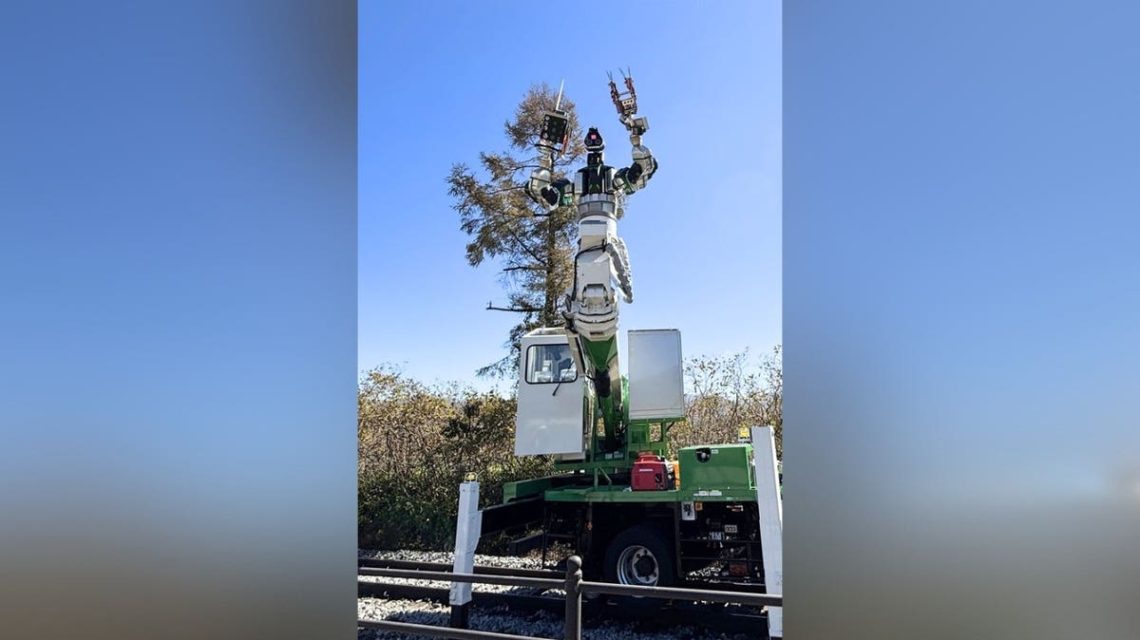
In Japan, the JR East railway company employs a unique chainsaw robot to maintain safety along its tracks. This robot removes branches that could interfere with trains, minimizing risk for human workers. Controlled remotely by an operator, the robot can perform tasks high above the ground, avoiding the need for workers to handle dangerous cutting equipment themselves.
The robot, known as ZIZAI ZX-3, operates on the Koumi Line in central Japan. One arm grips branches while the other uses the chainsaw, reaching heights unattainable by human workers. Delivered by Japanese manufacturer Nippon Signal, the ZX-3 has been operational since October. JR East aims to expand its toolset to tackle additional maintenance tasks in the future.
Remote operation ensures safety, as a trained operator controls the robot’s actions. This setup allows for precise movements while reducing risks associated with working near railway tracks. Advances in AI could potentially allow the robot to independently identify and cut problematic branches, though human oversight remains crucial for safety.
JR East’s focus on technology stems from challenges like a shortage of skilled workers. The company has shifted some maintenance tasks to daylight hours, improving conditions for workers but sometimes requiring train schedule adjustments.
AI’s integration into railway operations signifies a broader trend. JR East hopes to utilize AI for equipment inspections and maintenance, enhancing efficiency. While the ZX-3’s operations are not yet fully autonomous, the company’s investments may lead to further advancements in AI-powered maintenance solutions.
The implications of robotics extend beyond railways. Utility companies and construction teams face similar challenges with inaccessible areas and hazardous conditions. Remote machines like the ZX-3 could improve safety and efficiency in various sectors.
As technology progresses, new job opportunities will emerge for individuals skilled in operating and maintaining robots. Despite their benefits, robots also present safety challenges, necessitating strict oversight and reliable controls when handling tools like chainsaws.
Incorporating robots into maintenance work seeks to reduce risks for human workers while maintaining effective safety standards. Robots like the ZIZAI ZX-3 exemplify this shift, balancing human expertise with robotic capability.
“I’ve seen humanoid robots perform impressive feats, but watching them contribute to tangible tasks enhances their value,” says Kurt “CyberGuy” Knutsson. “Ensuring human control is vital where errors impact safety.”
For further insights and tech tips, check Kurt’s CyberGuy Newsletter and visit CyberGuy.com for security alerts and scam prevention strategies.
 PwC Launches Critical Thinking Certification Amid AI Job Changes
 Can AI Possess Consciousness and Emotion?
 Nvidia’s CEO Under Scrutiny Amid Internal Investigation
 Guide to Buying Wireless Hot Spots
 Market Concerns and Strategies for Navigating AI Stock Volatility
 Nvidia CEO Investigated Amid Concerns and Market Reactions