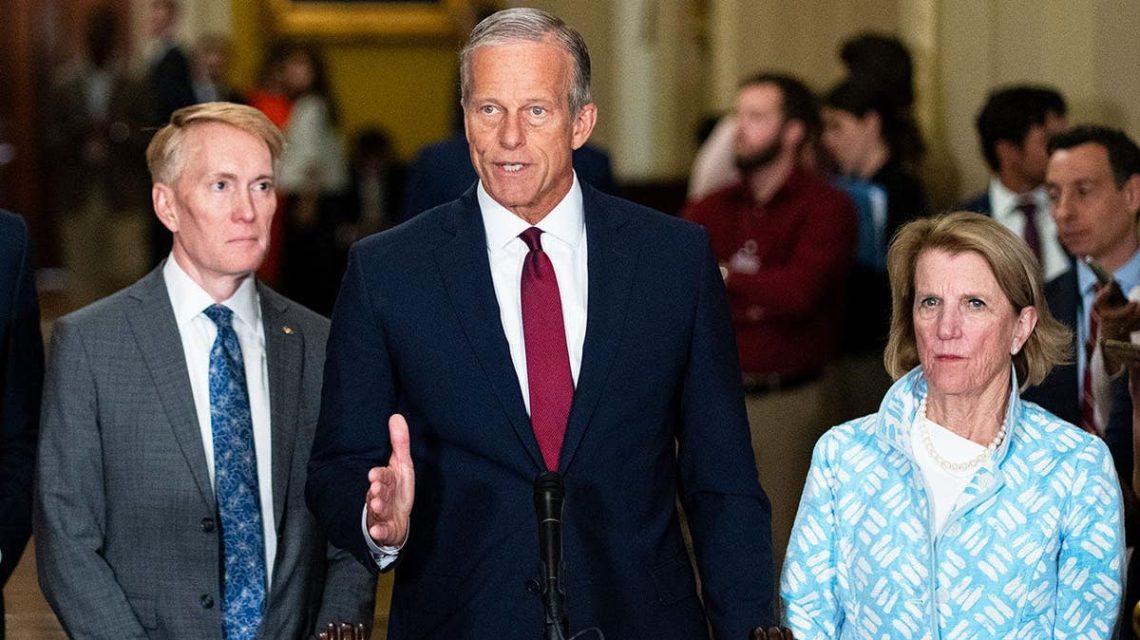
On January 3, 2027, the U.S. Senate will come under the control of leftist Democrats. The urgency for the current Senate to confirm President Trump’s judicial nominees is immense. There are 23 nominees pending, broken down to four for the circuit courts and 19 for the district courts. The current Senate Majority Leader, John Thune, R-S.D., has limited time to secure these confirmations before the leadership shifts.
Chuck Schumer, D-N.Y., set to be the incoming Senate Majority Leader, is expected to halt further confirmations to the courts of appeals and possibly the district courts. If Republicans do not act now, these seats might remain vacant until potentially filled by Democrats, should they regain the White House in 2028.
The appellate courts hold significant influence as they render the final decision in most cases. The Supreme Court only reviews about 1% of appeals, making the circuit courts the last stop for the majority of federal litigants in the U.S.
President Trump has nominated four commendable jurists for key appellate positions: Anna St. John and Todd Butler for the Fifth Circuit, Lee Rudofsky for the Eighth Circuit, and Dan Domenico for the Tenth Circuit. St. John, Rudofsky, and Domenico already serve on district courts in Louisiana, Arkansas, and Colorado respectively. They are prepared to advance into these positions, succeeding judges with years of notable service.
Chuck Grassley, R-Iowa, the current Senate Judiciary Committee Chairman, has adeptly managed nominee confirmations. With two November hearings scheduled, Grassley accelerates the process under pressure from Democrats.
Sen. John Boozman and Sen. Tom Cotton from Arkansas have expressed concerns about nominee Rudofsky. Though senators have the right to scrutinize nominations, the timeline demands prompt action. Rudofsky has demonstrated constitutional commitment, justifying rapid confirmation through the Senate.
District courts require attention as well. Republican senators must vote to advance the slate from the Judiciary Committee to the Senate floor, ready to confirm the nominees. The strategy here follows actions Democrats took in 2024, when they pushed through nominees during a lame-duck session.
Republican senators leaving office after years of service carry the weight of ensuring these nominees are confirmed. The judges will impact law interpretation for decades. It is imperative that these appointments go to fair constitutionalists rather than radicals from a potentially future leftist presidency.
The upcoming two years might pose challenges for judicial nominees, but there is hope for productive confirmation processes in the next two months. Successfully confirming these judges will mark a lasting legacy for those departing the Senate.
 Intense Mississippi Senate Race Nears Conclusion as Vote Count Continues
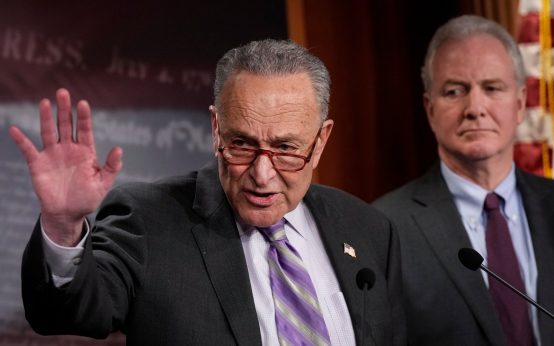 Chuck Schumer Faces Potential Leadership Challenge from Chris Van Hollen
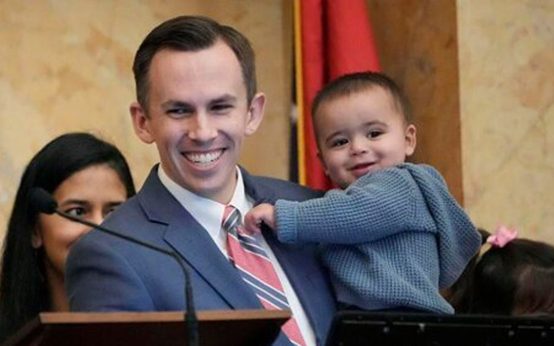 Mississippi State Auditor Shad White Announces Gubernatorial Bid
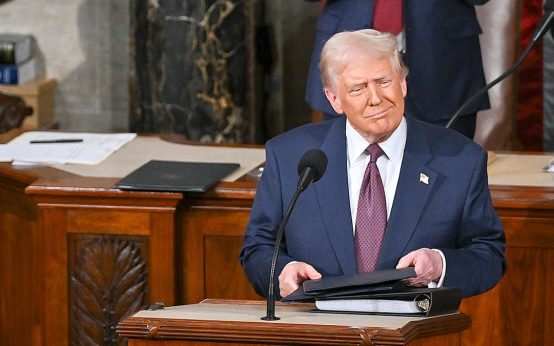 Trump Dismisses Third Impeachment Prospects
 Custody Dispute Involving Rep. Max Miller Delayed
 Attorney General Addresses Post-Midterm Democratic Threats