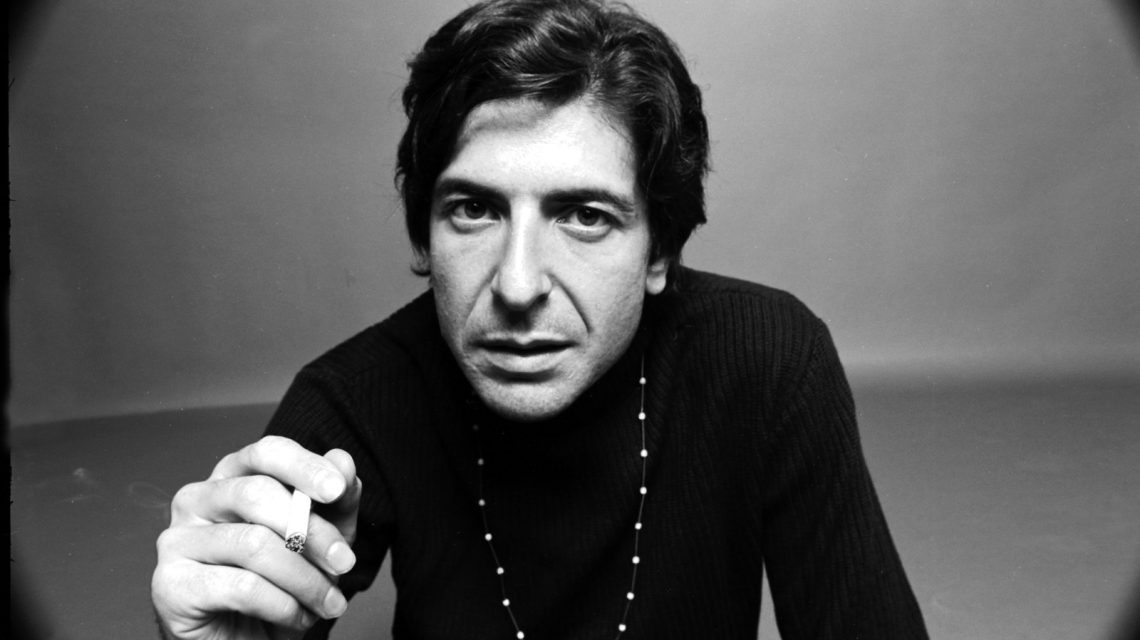
Tonight, Adam Cohen will perform Leonard Cohen’s songs at Meridian Hall in Toronto. He humbly shared, “I happen to have inherited his body type and his voice.” The show, titled Everybody Knows, honors a song co-written by his father in 1988 and marks ten years since his father’s death.
Leonard Cohen passed away on November 7, 2016, in Los Angeles at the age of 82.He died after a fall during the night. The news of his death became public after the 2016 U.S. presidential election, which elected Donald Trump. Cohen remained silent publicly about Trump, though he might not have spoken out regardless.
Cohen’s Final Words
Prior to his death, Cohen released his final album, You Want It Darker, only weeks earlier. He told The New Yorker he was ready to die, but later recanted, expressing his penchant for self-dramatization and a desire to live forever.
Reflections on Cohen’s Music
“He tried to define a political position that no one can decipher.”
Cohen’s songs, written decades before his death, resonated with truths about societal and political changes. His lyrics depicted walls collapsing, plagues, and humanity’s quest for extremes. The Trump era and subsequent societal shifts reinforced the continuing relevance of his music.
Songs and Their Ongoing Relevance
Cohen observed the moral turmoil in America, famously criticizing relativity in ethics, even in matters like murder. Political divisions and certainty among cultural voices made his observations more pressing.
Wall Metaphors in Music
Cohen began writing “Democracy” as the Berlin Wall fell. Viewing the Wall’s fall with skepticism, he foresaw suffering due to the moral stability it once represented. Trump proposed another wall in response to American challenges.
The Powerful Message Behind the Music
“First We Take Manhattan” warns of extremes and champions emotional expression over violent acts. Trump’s administration saw military power showcased that ironically resonated with Cohen’s insights.
The Plague Theme
“Everybody Knows” included imagery of deceit and plague.
The song criticized social inequality long before COVID-19 or Trump’s rhetoric emerged. Cohen painted a broader societal plague encompassing alienation and fear.
Cultural Commentary Through Music
Artists now participate in political discourse, unlike Cohen. In the 2024 presidential race, musicians like Taylor Swift endorsed political figures, while others, such as Kid Rock, supported Trump.
Controversy over Song Use
Trump’s use of Cohen’s song “Hallelujah” was unauthorized, leading to backlash from Cohen’s estate. An instance in 2020 saw Cohen’s estate urge against its use at a rally.
The estate emphasized the song was not meant for warmongering, though Cohen’s actions during the Yom Kippur War illustrate complex perspectives.
Embracing Optimism Amid Darkness
“The future is no excuse for an abdication of your own personal responsibilities.”
His song “Anthem” signifies hope and responsibility despite impending challenges.
Even in an uncertain future, Cohen’s lyrics offer enduring wisdom. We remember not what will happen, but how we manage our uncertainties. In an era where certainty reigns supreme, his songs navigate this complexity.
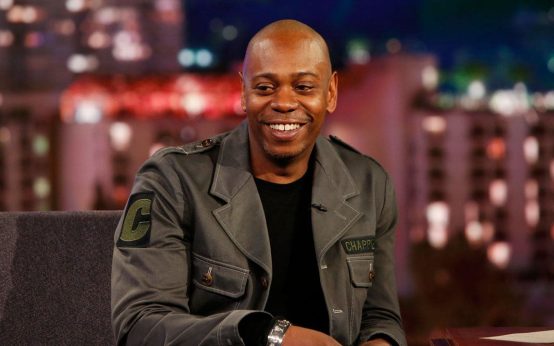 Dave Chappelle: Comedian and Controversy
 Diwali Celebrations Illuminate Tradition and Unity
 Diwali: A Celebration of Light and Tradition
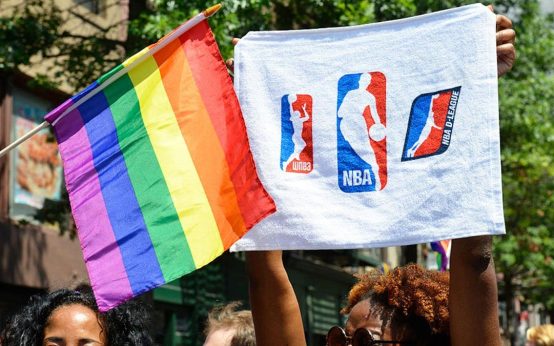 Controversy Surrounds National Anthem Performance at Warriors’ Pride Night
 John Denver’s Legacy: A Conservation Triumph in Colorado
 Kwame Alexander Launches New Imprint to Promote Brave Storytelling