Elon Musk’s substantial financial support for Republican candidates in the 2026 midterm elections did not produce the desired results. Despite donating at least $474 million, Republicans faced significant losses in Congress. However, the tech billionaire’s impact on the Republican Party could still be significant. According to Virginia Commonwealth University political science professor Alex Keena, Musk’s financial contributions allow him to influence the political agenda and spotlight specific issues.
Recent evaluations suggest a cooling of media support for certain political figures. This may indicate shifting dynamics in political alliances.
Market trends reveal fluctuations connected to political outcomes. The S&P 500 experienced a slight increase following election results, while European markets mirrored this trend with early trading gains. However, Asian markets saw declines, particularly in technology stocks from companies like SK Hynix and Samsung. Democratic initiatives impacting AI data centers in the U.S. might have influenced these shifts.
Kalshi’s prediction market for the midterms saw a trading volume of over $2.5 billion, illustrating significant interest and investment in election outcomes.
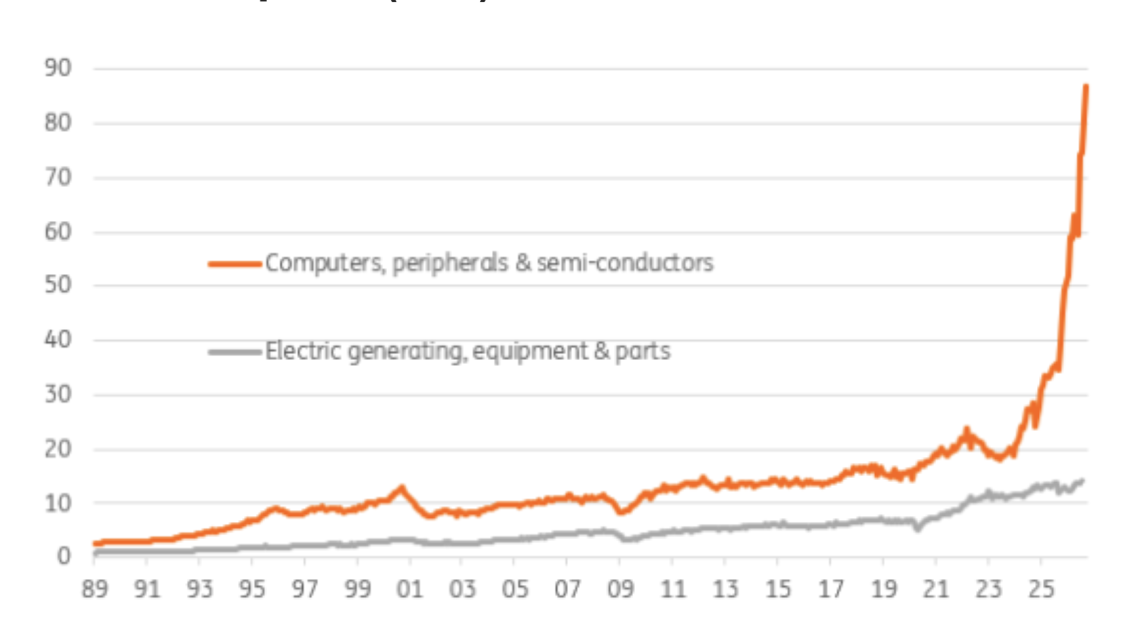
Economic evaluations from analysts like ING’s James Knightley highlight the complexities of GDP calculations amid tech sector spending. The U.S. trade deficit for tech products reflects this, with substantial import growth from countries like Korea and Taiwan.
From a financial perspective, Musk’s companies experienced market value declines post-election. SpaceX stock fell by 3.8%, and Tesla shares dropped by 3.34%. While these are considered paper losses, they represent significant fluctuations in Musk’s net worth.
 Mississippi State Auditor Shad White Announces Gubernatorial Bid
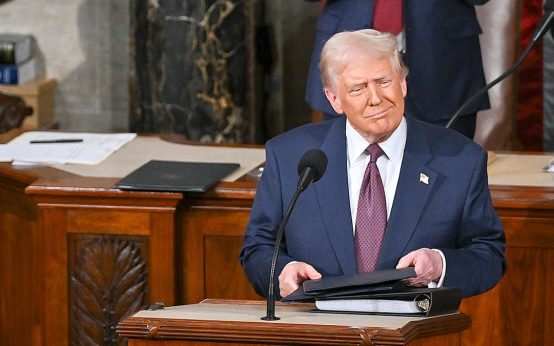 Trump Dismisses Third Impeachment Prospects
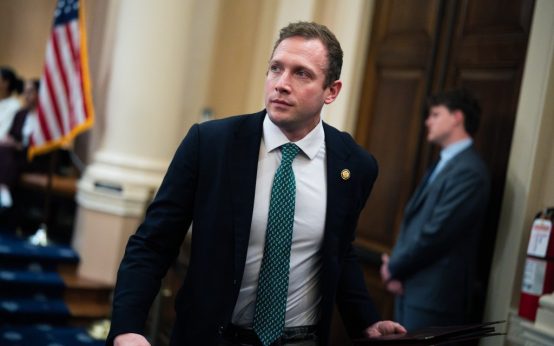 Custody Dispute Involving Rep. Max Miller Delayed
 Attorney General Addresses Post-Midterm Democratic Threats
 Senator Elizabeth Warren and the Future of Crypto Regulation
 Bipartisan Opportunities in Foreign Policy