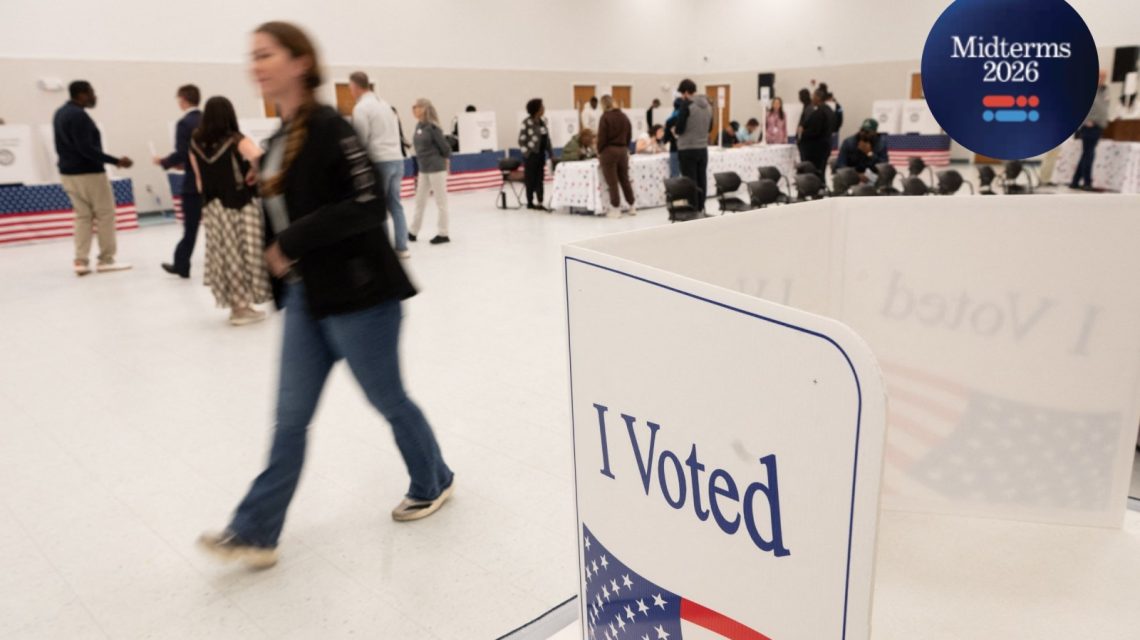
In recent midterm elections, Democrats secured victories not only in Congress but also in state legislative chambers nationwide. This shift enables Democrats to influence vital areas such as abortion laws, school funding, taxes, voting regulations, and congressional maps. In Wisconsin, the party gained control of both legislative chambers and retained the governorship, achieving unified Democratic government for the first time in 16 years. Additionally, Democrats now control five state governments, expanding their influence further.
Thad Kousser, a political science professor at the University of California San Diego, remarked to Newsweek that this shift provided Democrats with trifecta control in several states, allowing them to govern with both legislative chambers and the governorship. He emphasized that in Washington, D.C., despite Democrats having a significant mandate for change, challenges may still arise that prevent them from fully executing their agenda.
State Legislative Gains for Democrats
As of Wednesday night, complete results were not available, but analysis from the National Conference of State Legislatures (NCSL) and Ballotpedia indicated significant Democratic gains. These included flipping both chambers in Wisconsin and New Hampshire, winning the Pennsylvania Senate, and gaining control in the Houses of Michigan, North Carolina, Texas, and Minnesota. Although results in Georgia and Arizona were pending, both states appeared likely to see Democratic control in their lower chambers.
Boris Shor, an associate professor at Houston University, highlighted the potential for gridlock in Congress due to presidential vetoes despite Democratic majorities. However, states with unified Democratic control can pass laws more effectively. Heather Williams, president of the Democratic Legislative Campaign Committee, noted that 2026 might be remembered as a pivotal year, with Democrats achieving one of the most significant shifts in American political history.
Impact and Importance of State Legislature Control
State legislatures manage crucial policy areas, including the allocation of federal funds for services like health care and education. Steven Rogers, a political science professor at Saint Louis University, explained that state governments handle most education spending and have substantial influence over transportation within their jurisdictions. Democratic control may lead to more environmental considerations, such as restrictions on data centers, a growing concern.
Trifectas, where one party controls the governor’s office and both legislative chambers, are particularly impactful. With this power, parties can easily manage budgets and policy changes across various sectors. In Wisconsin, for example, the prospect of adopting Medicaid expansion under the Affordable Care Act now seems more feasible.
Historical Context and Political Dynamics
Republican dominance of state legislatures began in 2010 during President Obama’s first term. By 2026, Republicans had 23 trifectas, while Democrats increased theirs from 16 to 23. This reflects significant partisan changes over three decades. Texas, for example, saw a dramatic shift, with Democrats gaining control of multiple key offices for the first time in decades, although the state Senate remains Republican-controlled.
Potential National Implications
Apart from policy areas already mentioned, Kousser noted AI regulation could see more attention at the state level, especially regarding data centers. States govern election administration, a factor in ongoing legal disputes over GOP redistricting efforts. With Democrats in control, opportunities for redrawing favorable congressional maps increase.
Rogers noted the potential influence on the Electoral College. States with 222 cumulative electoral votes are part of the National Popular Vote compact. New trifecta states like PA, MI, AZ, WI, and NV, with a total of 61 electoral votes, could significantly affect the presidential election by agreeing to this compact.
Kousser anticipates these legislatures will focus on issues that won them the election, such as cost of living, housing, and health care, instead of the National Popular Vote compact.
The Future of Democratic Control
Kousser explained that American politics can change rapidly. Only two years ago, predictions were being made about the Democratic Party’s challenges. Now, Democrats must act swiftly and deliver on their promises, with the 2028 presidential race already in sight. Their actions and achievements may influence voter decisions in upcoming elections.
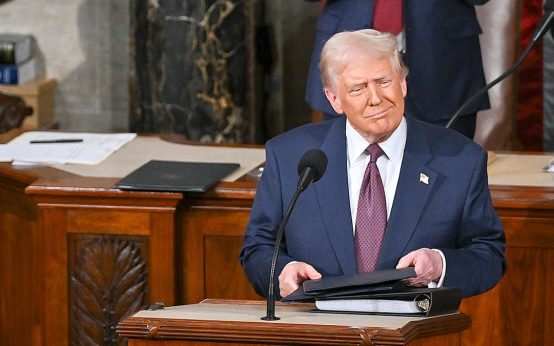 Trump Dismisses Third Impeachment Prospects
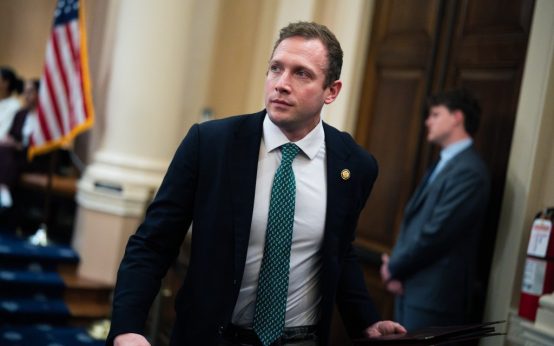 Custody Dispute Involving Rep. Max Miller Delayed
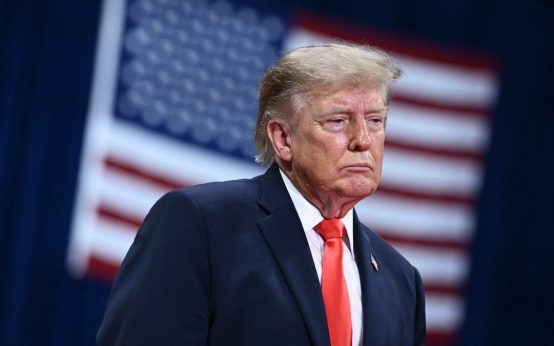 Attorney General Addresses Post-Midterm Democratic Threats
 Senator Elizabeth Warren and the Future of Crypto Regulation
 Bipartisan Opportunities in Foreign Policy
 Political Shifts and Concerns Post-Midterms