
The United States government recently took significant action concerning Haitian nationals residing in the country. On August 20, a deportation flight carried over 160 individuals back to Haiti. This marked the first such flight following the termination of temporary protected status (TPS) for about 350,000 Haitian citizens. This decision has sparked discussions around the future of affected individuals and the need for a structured response to ongoing crises.
The flight targeted individuals whose TPS had expired and landed in Cap-Haïtien. It avoided the capital, Port-au-Prince, due to heightened security risks that have rendered the airport unsafe for U.S. commercial airlines. This scenario underscores the importance of a systematic approach to handling prolonged emergencies, where circumstances continually evolve and affect both foreign and domestic policies.
The necessity for Congress to devise a formal protocol becomes evident in these instances, ensuring that such responses are both timely and effective. Implementing a structured process can help manage crises that extend beyond immediate emergencies, affecting national and international relations. These protocols would also provide a framework for decision-making during complex scenarios, ensuring preparedness and adept handling of similar situations in the future.
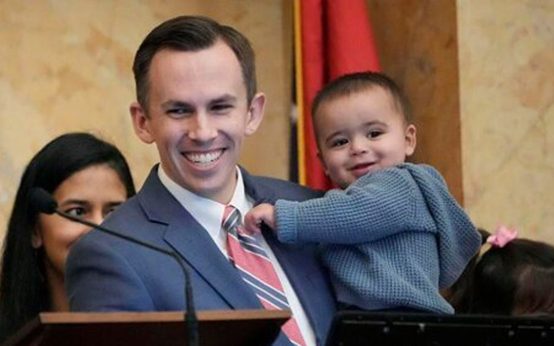 Mississippi State Auditor Shad White Announces Gubernatorial Bid
 Trump Dismisses Third Impeachment Prospects
 Custody Dispute Involving Rep. Max Miller Delayed
 Attorney General Addresses Post-Midterm Democratic Threats
 Senator Elizabeth Warren and the Future of Crypto Regulation
 Bipartisan Opportunities in Foreign Policy