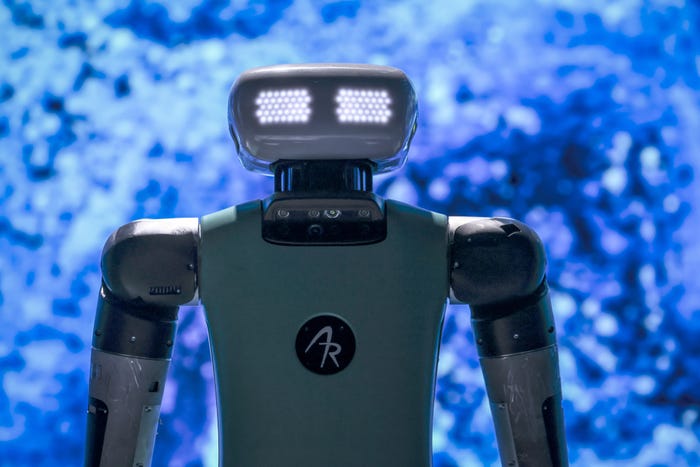
Agility Robotics is bringing innovation to Wall Street as it prepares to become the first US company focused on humanoid robots to go public. The Oregon-based startup, known for its two-legged robots like Digit that assist with carrying heavy materials and sorting goods in factories, plans to begin trading on Nasdaq. This move signifies a critical moment for the humanoid robotics industry.
The company’s financial results reflect the sector’s challenges. Last year, Agility Robotics reported a revenue of $1.8 million but faced a net loss of $138.1 million, according to merger filings. A significant portion of its revenue came from the sale of five robots to one of its investors.
Agility Robotics is going public through a merger with Churchill Capital Corp XI, a SPAC led by former Citigroup executive Michael Klein. The merger, completed recently, will see the combined company trading under the ticker AGLT. CEO Peggy Johnson, formerly with Magic Leap, Microsoft, and Qualcomm, expressed the importance of being a trailblazer in the humanoid market.
This merger values Agility’s current equity at approximately $2.5 billion. The company aims to secure about $465 million in gross capital, factoring in $100 million already raised. After a boom in SPAC mergers in 2020 and 2021, interest slowed when rates rose in 2022, but is resurging as IPO markets recover.
Agility’s unique position in the industry stems from its active deployments. Analyst George Chowdhury from ABI Research noted the company’s small yet significant commercial deployments. Agility’s humanoid robot, Digit, operates in nine customer facilities, including places like Amazon and Toyota. Investors include major names like Amazon, Foxconn, Nvidia, SoftBank, and DCVC.
The company’s losses extend beyond paper, with $99.8 million in cash used for operations in 2025. Research and other expenses led to a $2.7 million sales loss. Looking ahead, Agility aims to leverage Digit 5, its latest robot, designed to operate without safety barriers around people.
Agility’s SEC filings reveal over $300 million in orders for 1,000 robots from one customer. These robots are rented over three years, with deliveries slated for the first half of 2027 and general availability by year-end.
There is a notable gap in how investors value humanoid robotics firms. Agility’s valuation is lower than some private peers, such as Figure AI at $39 billion, Apptronik at $5.5 billion, and Neura Robotics at $7 billion. Tesla’s humanoid Optimus lacks a standalone valuation.
This trend shows that companies actively deploying hardware often see lower market valuations than those betting on future potential. Analyst Michelle Sun shared the listings could serve as a reference for valuing humanoid-centric public companies.
Agility’s public entry aligns with a shift in US policy. The Federal Communications Commission recently restricted foreign-made robots, including humanoids. This move could favor US manufacturers, including Agility, which produces Digits in Oregon.
The humanoid robotics industry is largely led by Chinese firms, with Unitree going public on Shanghai’s stock exchange this summer and having a market value of around $40 billion. However, Agility’s move to go public may indicate US strength in the sector.
 Advanced Safety Features in Daimler Trucks Aim to Prevent Collisions
 Exclusive Insight into Nvidia’s Leadership Structure as of 2025
 PwC Launches Critical Thinking Certification Amid AI Job Changes
 Can AI Possess Consciousness and Emotion?
 Nvidia’s CEO Under Scrutiny Amid Internal Investigation
 Guide to Buying Wireless Hot Spots