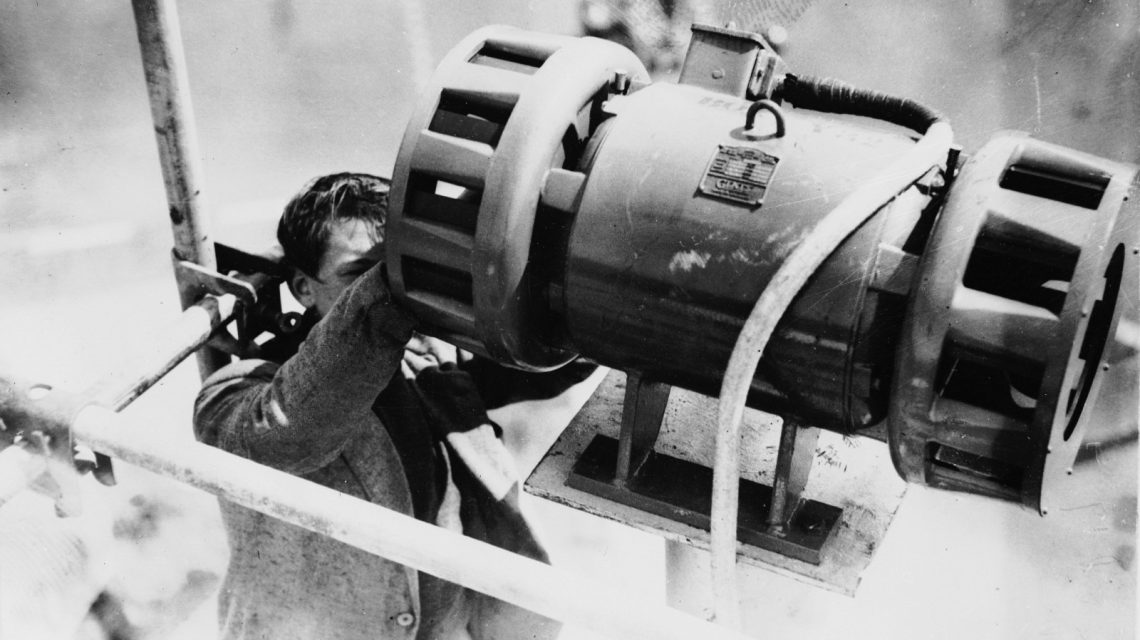
Almost a year into World War II, Nazi Germany’s Luftwaffe initiated a terrifying nighttime bombing campaign against the United Kingdom, known as the Blitz. Starting on September 7, 1940, London faced 57 consecutive nights of bombing, with attacks continuing across Britain until May 1941. Though Britain couldn’t prevent the bombs from falling, air-raid sirens offered some warning to its citizens.
Now, 86 years later, civilians in Russia and Ukraine experience a new kind of threat lacking even the unreliable warnings of the past. On Sunday, users of Ukraine’s air-alert app received false warnings of radiation and chemical threats. A hacking attack resulted in 122 fake alert events in just seven minutes, affecting 6.6 million Ukrainians who depend on the app for potential threat alerts. These false alerts spread to third-party services and outdoor loudspeakers, adding to the chaos.
In Russia, a similar event occurred at 2:45 a.m. Moscow time on Monday when users of the Emergency Situations Ministry app received messages urging them to prepare for nuclear attacks. False alerts appeared on Telegram and MAX, alarming citizens to stockpile supplies or take shelter. The source of these attacks remains unknown, but they reveal a new, unsettling tactic in warfare.
Interfering with civilian warning systems crosses into psychological warfare. Unlike military communication channels, these systems aim to save civilian lives from danger. While Britain during WWII occasionally faced false alarms, they didn’t undermine trust in the system. Today, intentional manipulation can terrorize and demoralize populations, disrupting daily lives and eroding trust in protective measures.
If repeated attacks make warning systems unreliable, civilians may ignore real threats, leading to devastating consequences. These intrusions force authorities to respond, with Ukraine’s officials having to disable notifications and suspend the app temporarily. At 10:54 p.m., alerts.in.ua faced a denial-of-service attack, spending an hour verifying and removing false records.
Other services, like eTryvoga, halted automatic notifications briefly. While restoring the main app’s functionality took time, it left real-time tracking offline, increasing exposure to genuine threats.
The conflict intensifies, with aerial bombings frequent across the border. Ukraine recorded over 7,700 air-raid alarms from July to September, marking a 27 percent increase over the previous months’ period.
During the Blitz, Londoners dreaded sirens for the attacks they foretold. Today’s civilians must consider the possibility that alerts themselves might be part of the threat.
 Feud and Legal Battle in New York Family Dynasty
 Political Shifts and Concerns Post-Midterms
 Death Toll Rises After Krakow Shooting
 Villa Vie Odyssey Faces Legal Challenges After Halting Operations
 Trump Shares AI-Generated Video Featuring UFC Personalities
 Suspected Shooter in Krakow Dies After Hospitalization