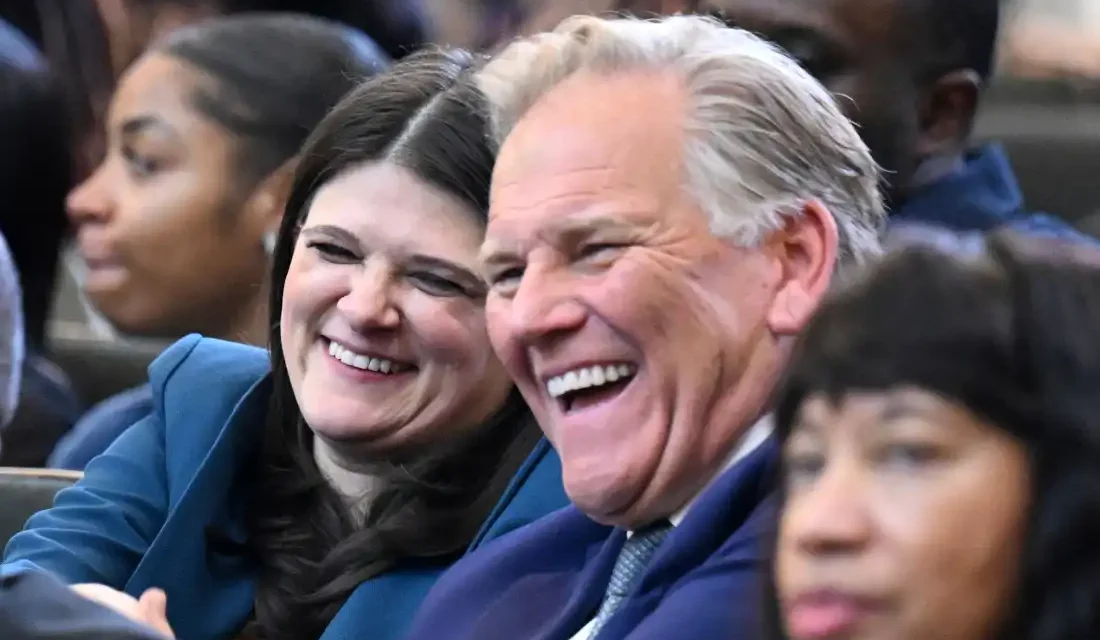
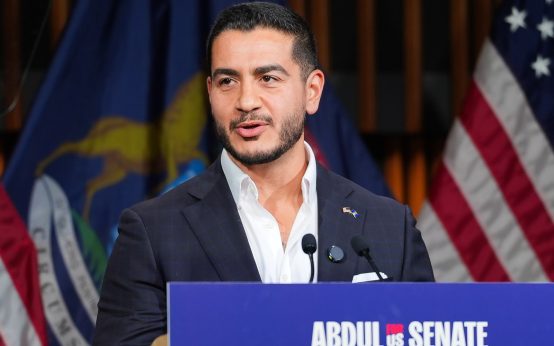
In Detroit, Rep. Haley Stevens, a Democrat, surprised many by endorsing GOP Michigan Senate candidate Mike Rogers. This decision came just before Election Day, shifting support away from Abdul El-Sayed, her former primary rival. Her announcement was shared via a video on social media, where she explained her reasons for backing Rogers.
Stevens’ endorsement followed a joint appearance with Rogers at a Detroit church. She stated, “As you may have seen, our Democratic nominee for U.S. Senate, Abdul, said I was no longer welcome in his campaign and that I should stay away, and he’s right. And that’s why I am endorsing Mike Rogers for the U.S. Senate today.”
Outside a “Souls to the Polls” event, El-Sayed commented that Stevens was not a focus of voters’ thoughts. He emphasized issues affecting families, such as school conditions and financial struggles. When asked about Stevens’ endorsement of Rogers, he reiterated the importance of addressing voter concerns.
During her endorsement, Stevens criticized El-Sayed for not distancing himself enough from Hasan Piker, a streamer involved in controversial comments regarding Jewish support for Israel. Earlier, El-Sayed had addressed this controversy without fully disavowing Piker. Stevens highlighted this issue, expressing dissatisfaction with his assurances to Jewish and Black voters.
Further exacerbating the situation was a public split between Stevens and El-Sayed over an ad by Cenk Uygur. The Young Turks ad linked grocery prices in the U.S. to Israel’s policies, which Stevens found inflammatory and offensive. She prompted El-Sayed to denounce the ad and apologize, to which he replied that his campaign was not associated with it.
Stevens’ change in allegiance sent shockwaves through the Democratic Party. Senate Minority Leader Chuck Schumer and Michigan Democratic Party Chair Curtis Hertel expressed discontent with her decision, viewing it as a betrayal. Her endorsement also led to staffing changes within her communications team, with notable resignations.
The contentious dynamics between Stevens and El-Sayed reflect a deeper divide within the Democratic Party, especially concerning rhetoric about Israel. This rift is likely to influence future Democratic strategies and could impact the 2028 presidential nominating process.
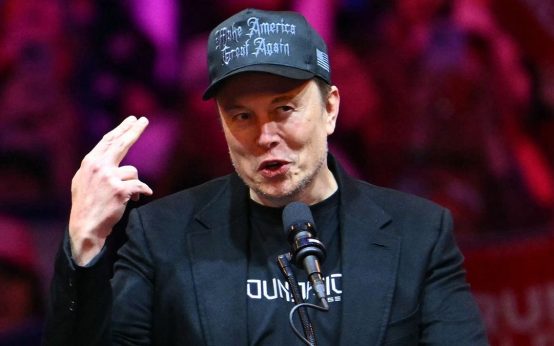 Democrats Criticize Elon Musk Over Political Stance and Actions
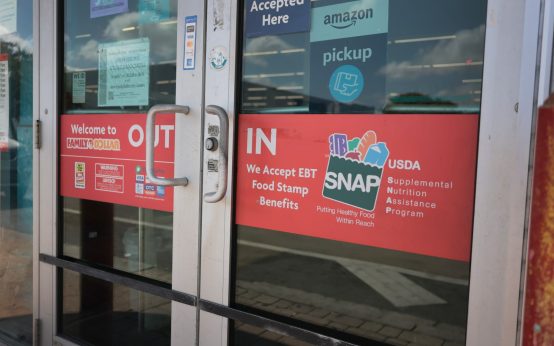 Lawsuit Challenges SNAP Restrictions on Food Choices
 Controversy Surrounds Plans for George Washington Statue
 Healthcare Proposal Faces Mixed Reactions Among Democrats
 Efforts to Recall Mayor Laesch Gain Momentum in Aurora
 Trump Takes Credit for Jensen Huang’s Return to Nvidia