The U.S. State Department criticized the recent maritime agreement between Turkey and Libya, a deal causing regional unrest. The agreement attempts to redefine sea borders in the eastern Mediterranean, igniting frustration among several nations due to potential gas deposits in the area.
In mid-October, the Eastern Libyan parliament, led by military figure Khalifa Haftar, approved the maritime accord with Turkey. The deal bypasses Libya’s internationally recognized government in Tripoli, raising significant tensions.
The announcement of the ratification of the Turkish-Libyan delimitation memorandum of understanding has raised tensions in the region and is unhelpful and provocative – and our position on this matter has not changed.
This statement came from a spokesperson from the U.S. State Department, emphasizing the contentious nature of the deal.
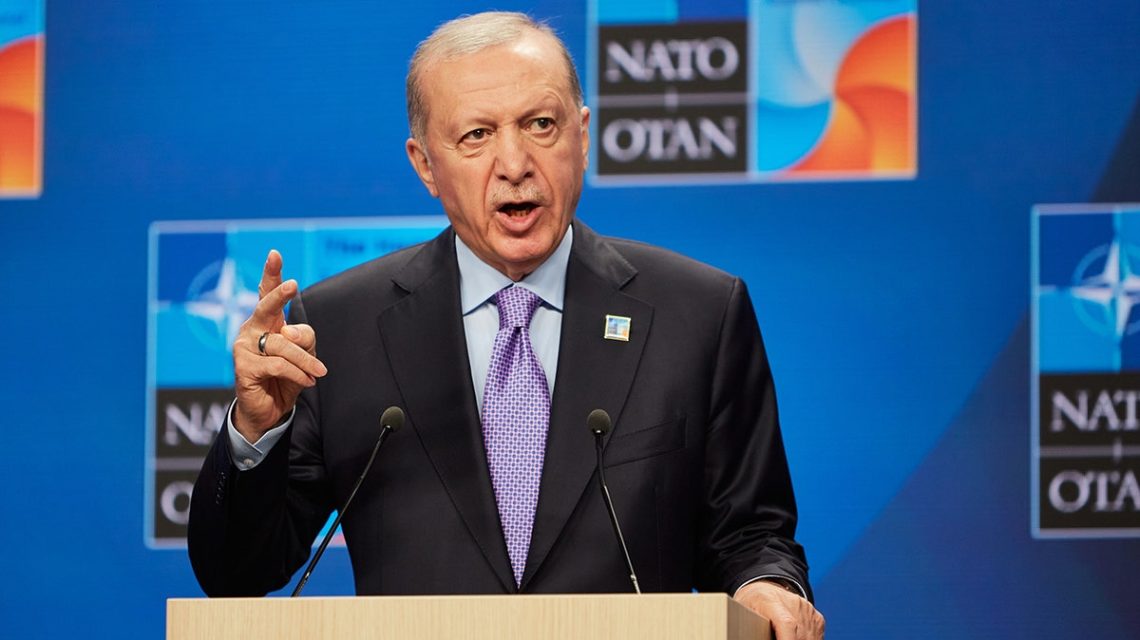
During a NATO summit in The Hague, Turkish President Recep Tayyip Erdogan addressed the alliance assembly. There, members discussed a new defense plan, increasing defense spending to 5% of GDP.
The U.S. spokesperson further urged countries to resolve maritime disputes through negotiations. They highlighted the importance for Greece and Turkey, both NATO allies, to engage directly to resolve disagreements.
Peaceful resolution of such disputes opens the way for commercial investment and exploration that will benefit the entire region.
In defense of the agreement, Turkey’s Foreign Minister, Hakan Fidan, asserted the legality and legitimacy of the maritime deal, dismissing criticisms as politically motivated reactions. He referenced the agreement as legitimate from both legal and political standpoints.
Contrastingly, Greek Foreign Minister George Gerapetritis declared the memorandum as null, arguing it holds no legal standing under international law. Gerapetritis accused Turkey of pushing its agenda via Libya, seeking regional dominance.
Endy Zemenides, from the Hellenic American Leadership Council, commented on the agreement’s potential threat to U.S. and allied security. U.S. companies, such as Exxon and Chevron, operate in Crete, a key strategic location for NATO.
The European Union echoed similar concerns, citing violations of maritime law by the deal. It emphasized the infringement of the sovereign rights of third nations, declaring the memorandum void.
Israel reacted strongly, criticizing the ratification of the maritime agreement between Turkey and Libya. Israel, in alliance with Greece and Cyprus, condemned the move as a destabilizing factor in the region.
The broader international community remains critical, emphasizing the need for diplomatic solutions to avoid heightened tensions in a geopolitically sensitive zone.
 Feud and Legal Battle in New York Family Dynasty
 Political Shifts and Concerns Post-Midterms
 Death Toll Rises After Krakow Shooting
 Villa Vie Odyssey Faces Legal Challenges After Halting Operations
 Trump Shares AI-Generated Video Featuring UFC Personalities
 Suspected Shooter in Krakow Dies After Hospitalization