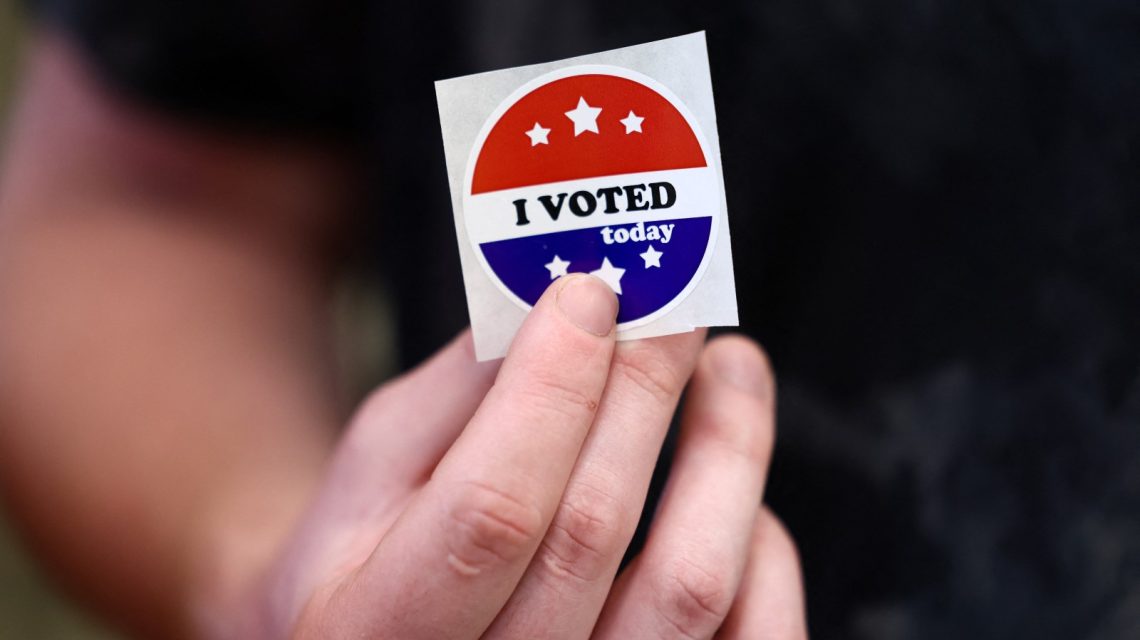
As the November 3 midterm elections approach, campaign staffers across the nation are preparing with both hope and caution. Candidates may either celebrate with their supporters or find themselves in a more reflective mood. In contrast, nonpartisan organizations focus on a different outcome: voter turnout.
The central questions include whether Americans will vote in large numbers and if new turnout records will be set. It is also important to consider how many eligible voters remain uncontacted and ignored. Many people reside in ‘civic deserts,’ areas overlooked by political campaigns. These communities often lack a strong voting history.
As voter data becomes more sophisticated, campaigns increasingly use microtargeting strategies. These strategies focus on individuals likely to vote and support a specific candidate, often overlooking those without a voting record.
Some campaigns that appeared in 2026 will soon leave, taking their data and strategies with them. This might lead them to overlook the same communities in future elections, such as upcoming local and presidential elections. If ignored, these communities, often low-income, may not vote, perpetuating the cycle of disengagement.
Nonprofits engaging in nonpartisan voter efforts can make a significant impact. Celebrating these organizations is crucial as they work to increase participation. Based on previous elections, several barriers to participation are already evident.
Who gets contacted is crucial for voter turnout. However, this contact intersecting with structural and logistical barriers can affect participation. Organizations can aid those with little voting history by helping them navigate these issues, from obtaining required ID to overcoming language barriers.
A Rutgers study reported that 15.6% of people with disabilities who did not vote in 2024 lacked assistance. Additionally, 16.4% of those who voted faced difficulties, nearly twice the rate of other voters. About 40.2 million Americans with disabilities are eligible to vote, representing nearly one-sixth of all eligible voters.
Work conflicts can prevent someone from voting, making them less likely to receive campaign outreach later. Nonprofits can break this cycle by offering solutions like early voting and mail ballots, helping individuals vote on their schedules.
After the 2024 election, 59% of nonvoters aged 18 to 34 reported no contact from organizations or campaigns. These individuals have questions that need answers, yet campaigns prioritize consistent voters.
Campaigns have limited resources and focus on winning elections. Contacting consistent voters is efficient, but when past participation dictates outreach, missing an election reduces future engagement. A person’s circumstances do not necessarily reflect their interest in community or national issues.
There is already a network of community organizations that can help overcome barriers to voting. Nonprofits actively work year-round, unlike campaigns, which typically conclude when elections end. Their capacity deserves more investment as attention turns to future elections in 2027 and 2028.
Once the elections conclude on November 4, analysis will determine which candidates succeeded, which messages resonated, and which demographics participated. The overlooked communities will, however, remain persistent. Before finalizing the figures on voter turnout, it is vital to understand how many eligible voters were excluded from early discussions. More importantly, the focus should be on ensuring these individuals are included in future electoral processes.
The opinions in this article are those of Brian Miller, executive director of Nonprofit VOTE and co-author of Help Your Community Vote.
 Trump Dismisses Third Impeachment Prospects
 Custody Dispute Involving Rep. Max Miller Delayed
 Attorney General Addresses Post-Midterm Democratic Threats
 Senator Elizabeth Warren and the Future of Crypto Regulation
 Bipartisan Opportunities in Foreign Policy
 Political Shifts and Concerns Post-Midterms