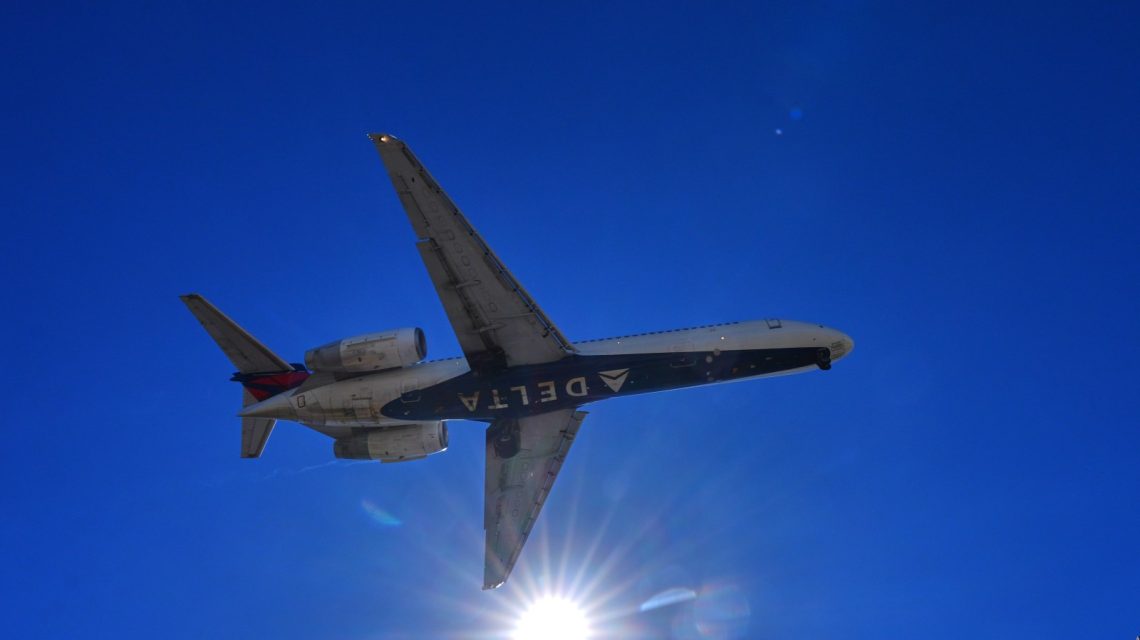
The Federal Trade Commission (FTC) has initiated an investigation into the pricing policies of nine major companies, including Delta Air Lines, United Airlines, JetBlue, Lyft, Uber, DoorDash, Instacart, Target, and Walmart. The FTC seeks insights into how these companies determine consumer prices and, in some instances, worker compensation.
Investigation Details
The commission aims to understand whether prices or compensation vary between individuals based on personal data or involvement in loyalty programs. This investigation falls under Section 6(b) of the FTC Act, enabling broad studies without an intent to enforce specific law violations. Notably, the FTC’s inquiry does not imply any legal breaches by the named companies.
In response, Newsweek has sought comments from the FTC and the involved companies outside regular working hours.
Companies Involved
The FTC named three airlines—Delta, United, and JetBlue—alongside two rideshare companies—Lyft and Uber—and two food delivery services—DoorDash and Instacart. Additionally, the inquiry includes two retail giants, Target and Walmart.
The scrutiny extends beyond visible consumer prices. For rideshare and delivery services, the examination covers how worker pay is calculated. Offers made to drivers might fluctuate according to undisclosed methods, potentially influenced by elements such as smartphone usage or acceptance history.
The FTC demands companies to disclose their methodologies, tools, and procedures in setting or modifying consumer prices and worker compensation. Companies have 45 days to comply, with the commission able to seek federal court intervention if they fail to respond.
Understanding Personalized Pricing
Personalized pricing involves tailoring prices to individual customers based on their data or behavior. This includes online activities, purchase patterns, or loyalty program participation. It’s distinct from common price variations such as those affected by sales, timing, location, demand, or service provision costs. Merely differing prices don’t confirm data-driven individual pricing.
The FTC’s investigation focuses on the factors considered in pricing and compensation, questioning whether similar data impacts gig worker offers. Unlike the previous 2024 study on intermediary pricing tools, the current orders target companies that might employ such practices directly.
Insights from Instacart
Instacart, part of the FTC investigation, was separately analyzed by Consumer Reports, Groundwork Collaborative, and More Perfect Union. These organizations tested Instacart prices, revealing price disparities but not confirming personalized pricing among the other named companies.
Volunteers shopped identical groceries on Instacart concurrently, and the assessment included 193 submissions. Findings showed price variations in about three-quarters of items, with differences reaching 23%. Basket totals fluctuated by an average of 7%. Further tests involved retailers like Albertsons, Costco, and others, revealing price disparities without confirming personal data-based pricing.
Instacart claimed random assignment in test groups and described the tests as limited and randomized, refuting the use of personal data in pricing decisions. Ten retail partners employed Instacart’s Eversight pricing tools, though specifics weren’t disclosed. Target denied direct business ties with Instacart regarding pricing information.
Consumer Reports later noted Instacart stopped using technology enabling simultaneous varied pricing at Target and Costco.
Survey results from September 2025 with 2,240 U.S. adults showed that among recent Instacart users, 72% opposed price differentiation among users.
Future Implications
The company’s responses may aid the FTC in evaluating the factors influencing pricing and compensation practices. However, the orders alone don’t determine the fairness or legality of any practice. The FTC hasn’t released findings against the companies.
This study emphasizes direct information gathering from businesses, shifting focus from prior intermediary tool investigations. The FTC hasn’t outlined a timeline for publicly releasing findings.