
Nearly a million individuals faced deportation from the U.S. during the initial 18 months of President Trump’s second term. Most returned to their native lands. However, 25,000 deportees were sent to unfamiliar ‘third countries,’ not their homeland or the U.S. An investigation revealed some faced potential persecution or torture in these countries.
Moussa Diawara’s Case
Moussa Diawara, a long-time resident of the U.S. without a criminal record, experienced this firsthand. After overstaying a tourist visa in the U.S. for 25 years, and with a failed refugee protection plea, he was taken by U.S. Immigration and Customs Enforcement (ICE) at his home in the Houston suburbs. Uncommunicated with his lawyer or a judge while in detention, Diawara was deported to Ghana, despite no connection to the country.
Ghanaian officials swiftly moved Diawara to Mali, a place he feared due to the risk of persecution, as he had converted to Christianity in a predominantly Muslim nation. With no identification or financial support, Diawara was left stranded in Mali, forced to seek refuge elsewhere.
Legal and Political Context
Deportations such as Diawara’s are legal under the existing immigration framework, which permits sending individuals to third countries if their home nation refuses entry. However, concerns regarding the safety and legality of these actions persist. Despite assurances from the Department of Homeland Security (DHS) about the safety of deportees, the practice remains controversial.
The U.S. has utilized countries like Eswatini and South Sudan to accommodate deportees with criminal records when original countries deny re-entry. Yet, controversies arise when non-criminals, like Diawara, are subjected to similar policies.
Effects on Families
Back in Texas, Diawara’s family grapples with his absence. His wife, a registered nurse, along with their children, struggles daily, both emotionally and practically. The impact is profound, leaving a void that Diawara once filled. His legal team continues to fight for his return amidst ongoing legal proceedings and appeals.
Looking Ahead
A federal appeals court found the Trump administration’s deportation policy unlawful, but the Supreme Court will review it in December. This case highlights the broader implications of immigration policies on individual lives and families left waiting.
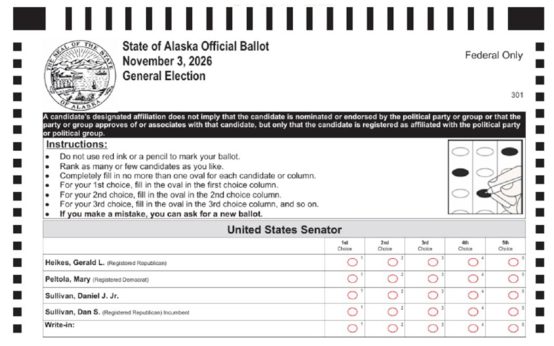 Controversy in Alaska Senate Race Involving Two Candidates with Similar Names
 Donald Trump’s Ongoing Frustration with the Nobel Peace Prize
 Zelensky Accuses Russia of Intensified Attacks, Musk Restores Starlink Services
 President Trump Criticizes Senate Candidate Abdul El-Sayed
 Trump Administration Launches Fraud Whistleblower Program
 Justice Department Seeks Court Intervention in Alaska Senate Race