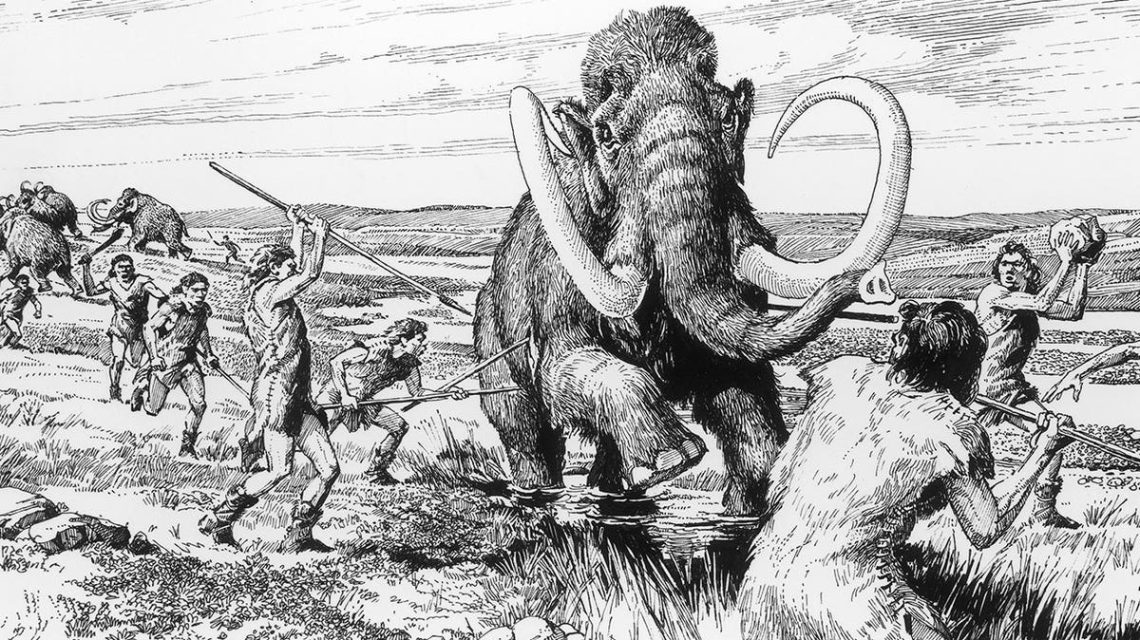
Researchers have refined the timeline of early human migration into North America by examining ancient DNA. This study addresses a longstanding scientific question. Published online ahead of its December 2026 appearance in the journal Current Opinion in Genetics & Development, the researchers re-evaluated genetic and archaeological evidence regarding the arrival of humans in the Americas.
The genetic analysis suggests humans likely reached the Americas between 14,000 and 20,000 years ago. An arrival before 15,000 years ago seems probable. Previous estimates, known as the ‘Clovis First’ theory, placed human arrival at roughly 13,500 years ago. However, later archaeological findings challenged this theory, suggesting earlier migration dates.
The research team, led by Bethany Potter and Savannah Hay of the University of Kansas, considered ancient DNA and archaeological discoveries, such as 23,000-year-old human footprints found at White Sands National Park in New Mexico. These footprints indicate humans may have lived in North America earlier than previously supported by genetic evidence.
Early populations might belong to genetic lineages not yet sampled or without surviving descendants, according to the study.
The researchers compared published genetic data from ancient human remains in Asia and the Americas. They examined ancestry to trace how early Indigenous populations divided into separate groups. Evidence from the study suggests ancestral lineages diverged around 21,000 years ago.
Findings also highlight evidence of ancestral Native American populations splitting into northern and southern groups about 15,500 years ago. This split likely occurred south of the large ice sheets covering much of North America at that time.
The ‘Clovis First’ theory, which dated the first human arrival in North America to around 13,500 years ago, has been contested by new archaeological discoveries. The researchers noted that no other human populations existed on the continent when a small group first arrived.
The study acknowledges uncertainties remain regarding the precise timing and location of divergence events in early populations. The ancient DNA findings suggest humans inhabited the Americas long before Christopher Columbus’s arrival in 1492, providing new insight into the continent’s earliest inhabitants.
Additionally, ancient DNA has provided valuable insights in other studies. Researchers this summer discovered ancient sheep pox virus DNA in the York Gospels, a 1,000-year-old manuscript from England. In Chile, ancient smallpox DNA was found in two centuries-old mummies, offering the first genetic evidence of the disease in South America.
 Iran’s Strategic Moves in the Strait of Hormuz
 Marco Rubio’s Visit to India and Its Implications
 Japanese Spacecraft Embarks on Mission to Explore Martian Moons
 Libya’s Impact on U.S. Policy and the Rise of Trump
 Alberta Rejects Independence Referendum Proposal
 Judge Warns Trump of Sanctions in BBC Lawsuit