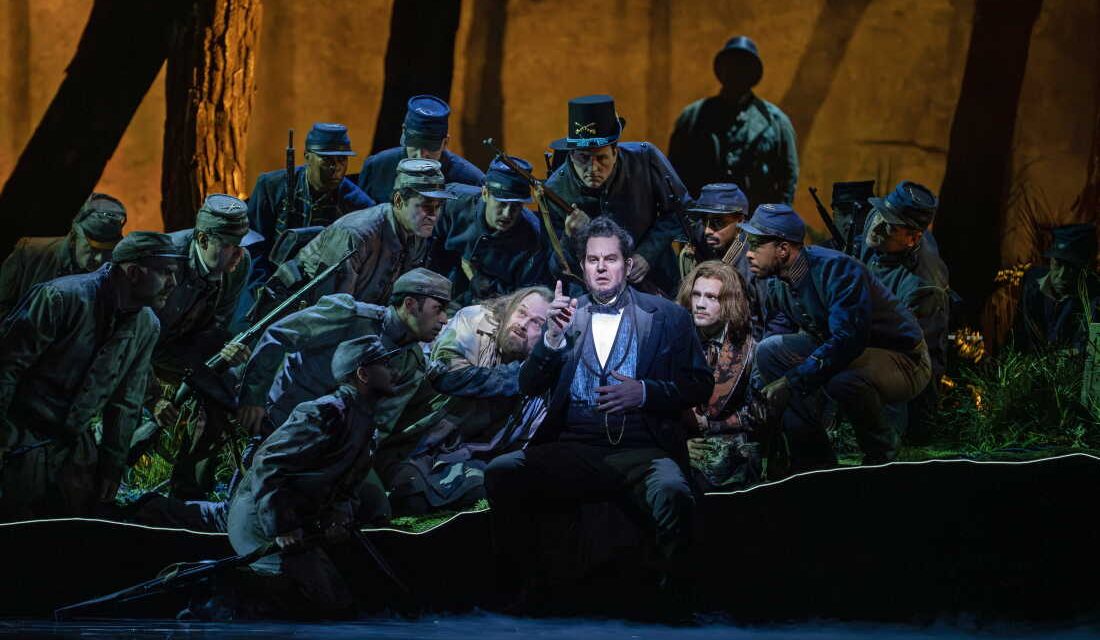
At the Metropolitan Opera House in New York, Petter Mattei stars in the opera adaptation of Lincoln in the Bardo, based on George Saunders’ surreal novel. The story follows President Lincoln’s grief over the loss of his son amid the Civil War. This production opens on Monday evening, promising an experience both unusual and moving.
The setting of the novel presents a supernatural world, a space between life and the afterlife. Transforming such a narrative into an opera poses a significant challenge, but the show’s creators eagerly accepted this task. Even before the performance begins, the eerie atmosphere is evident as chandeliers flicker in the vast auditorium.
When the curtain rises, the stage reveals a nighttime graveyard with a child wandering through. As the opera unfolds, a spectral ensemble rises from the graves. These ghosts immediately announce their presence, playing kazoos. Composer Missy Mazzoli, the first female composer to premiere a work at the Met, states, “I wanted an unusual opening sound to signify we are not in everyday reality.” This signals the start of a unique opera.
Saunders’ novel, set in the Civil War era, weaves a tale rich with fantastical elements. After Lincoln’s son Willie dies, the boy finds himself trapped in a liminal state surrounded by spirits unaware of their deaths. Lincoln, grieving yet alive, visits his son’s body in the graveyard while observed by the spirits.
Mazzoli notes the story’s surreal nature suits the operatic stage, with its mix of reality and fantasy. The composer believes such narratives come alive in the theater. Librettist Royce Vavrek, Mazzoli’s long-time collaborator, simplified the original narrative to highlight five critical characters, maintaining the creative essence of Saunders’ work.
The opera features Christine Goerke as the Reverend, who knows he is dead. Goerke, known for roles in Wagner and Strauss operas, embraces this part crafted specifically for her. The Reverend, a shepherd for lost souls, aims to guide both Willie and Lincoln through this strange journey.
Director Lileana Blain-Cruz acknowledges the unique challenges in staging this story filled with both sorrow and hope. The production uses puppets, stage magic, and pyrotechnics to convey its complex themes.
Mazzoli’s orchestration amplifies the spectacle, resembling the explosive phase called ‘matterlightblooming’, a term coined by Saunders to describe spirits moving to the next life phase.
The opera depicts Lincoln’s internal ‘bardo’ — mourning his son’s death and recognizing others’ impending losses in the war. Mazzoli reflects, “Lincoln’s graveyard experience brings him strength and empathy to continue his mission to heal the nation.”
While dealing with death, especially a child’s, the opera seeks to offer audiences a sense of hope amid grief. Blain-Cruz describes it as “a strangely inviting universe,” blending life and joy with sorrow.
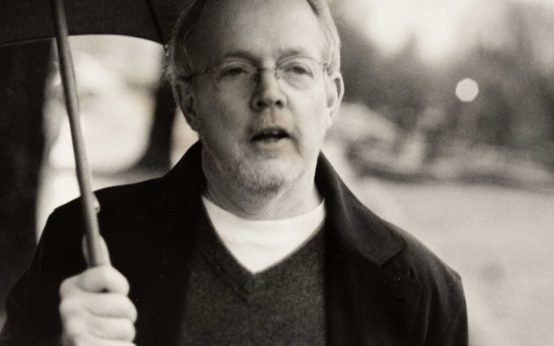 NPR Legend Noah Adams Passes Away at 84
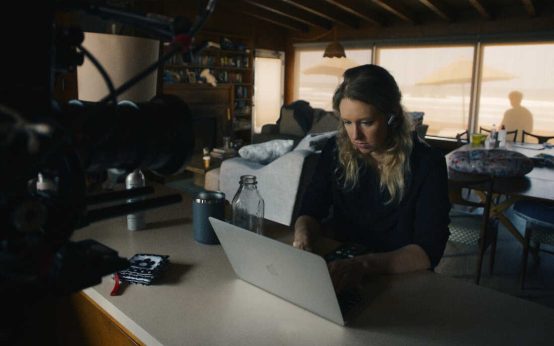 Elizabeth Holmes Documentary Explores Her Life Before Prison
 Victoria’s Secret Show Highlights Lavish Fashion
 Charley Hull Defends Sydney Sweeney’s Commercial Amid Criticism
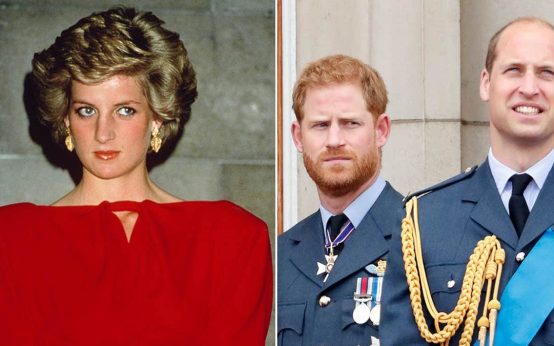 Princess Diana’s Concerns for Prince Harry’s Role in the Royal Family
 Political Developments and Public Reactions