Iran’s Grip Weakens
Secretary of State Marco Rubio highlighted significant shifts in Iran’s control over the Strait of Hormuz. September statistics indicate that 16.5 million barrels of crude exited the Persian Gulf daily, outpacing Iran’s prewar figures, according to Kpler. Despite U.S. blockades halting Iran’s maritime oil exports, tanker attacks in the strait have reached unprecedented levels. Kpler reported a notable plunge in vessel crossings, the lowest since July 23.
War’s Presence in Contradictions
The U.S. effectively won control over the strategic oil passage, severely limiting Iran’s ability to exploit the Gulf oil situation. What follows seems akin to insurgency. Although Iran cannot close the strait, it imposes challenges and costs, ensuring American naval deployment remains essential.
Comparisons to Iraq’s post-war struggles, despite dissimilarities, suggest parallels in maintaining peace rather than a decisive victory. The persistent escort and blockade missions represent occupation, while Iran’s various means of attack resemble insurgency tactics.
Adjusting the Oil Trade
The restoration of oil trade flows reflects strategic maneuvers rather than a full recovery. Kpler notes that 40% of the region’s crude now bypasses Hormuz through Saudi and Emirati pipelines, compared to 17% before the conflict. These changes question the necessity of a U.S.-Iran deal for reopening the strait. Ship escorts have facilitated traffic under ‘Project Freedom.’ The current improvements are jagged rather than smooth, but effective.
Iran, undeterred, still carries out attacks. The Joint Maritime Information Center (JMIC) confirmed multiple vessel attacks in early October, including drone strikes. The dangers in the strait are classified as severe.
Export levels from other regions have remained consistent, despite a recent decline in strait crossings. Iran can’t halt the oil flow but imposes indirect taxes through heightened freight costs and potential damages.
Continued Conflict
Political analysts debate the notion of victory in an ongoing conflict. Kelanic emphasizes Iran’s capability to maintain a prolonged battle, utilizing technology for continued tanker strikes.
The U.S. workaround, designed to maintain strait openness, faces potential threats from increased Iranian aggression. The strategy primarily addresses oil concerns, leaving LNG and shipping vulnerable. Gulf refined-fuel exports remain only half of their prewar levels.
Comparisons to Iraq may not be perfect, yet the analogy of drones as modern roadside bombs holds weight. The broader balance of power between the U.S. and Iran seems less favorable than initially perceived, limiting the effectiveness of U.S. military tactics dependent on costly platforms.
Future Tensions
Experts perceive three pivotal pressures: Iran’s potential internal implosion, possible escalations against Gulf energy infrastructure, and Trump’s ability to uphold a politically taxing mission. Stalemate persists until one pressure point peaks.
Political pressures are immediate. Trump, ahead of midterms, vowed no preelection attacks on Iran while maintaining the blockade. Eurasia Group predicts a standoff scenario with a risk of escalation if attacks impact energy flows.
A shift in Iranian strategy or recovery without a deal could transform this into a rearguard effort rather than insurgency escalation. Yet the absence of resolution this year might lead to prolonged rivalry or even regime collapse, leaving Iran in factional chaos.
The cyclical nature of battles and insurgencies remains unpredictable, reminding history that victories often align with insurgencies’ inconsistent timelines.
 Escalating Conflicts and Diplomatic Efforts in the Middle East
 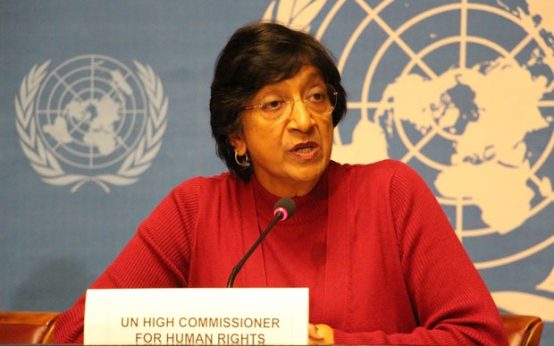 Navi Pillay Awarded Nobel Peace Prize for 2026
  Jimmy Kimmel Jokes About Trump Ahead of Nobel Peace Prize Announcement
  China’s Espionage Activities in the U.S.
 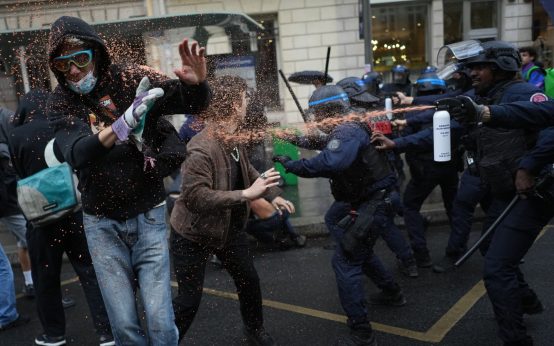 Controversial Rap Song Sparks Investigation Amid French Protests
  President Trump’s Statements at the UN Raise Legal Concerns