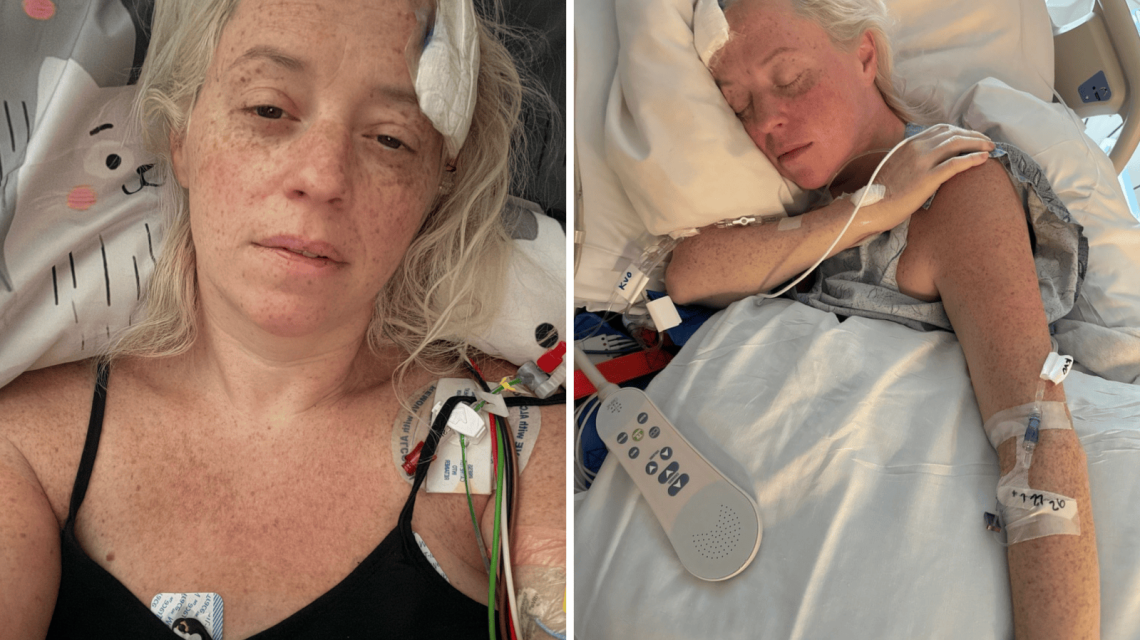
Julie Nashawaty, a 46-year-old from Boston, faced a life-altering medical emergency during what seemed like a regular workday. On July 27, during her lunch break, Julie experienced a severe headache and a sudden rise in body temperature. “Out of nowhere, it felt like my brain was exploding,” she recounted. Her symptoms rapidly worsened, prompting her husband to call 911. Within 30 minutes, she was admitted to the emergency room. Julie spent the next 25 days in intensive care.
Doctors identified a rupture in a 3-millimeter brain aneurysm. This aneurysm was a weak, bulging spot in one of her brain’s blood vessels. According to the Brain Aneurysm Foundation (BAF), around 6.8 million Americans live with an unruptured brain aneurysm. Annually, approximately eight out of every 100,000 people experience a rupture.
Recognizing the Symptoms of a Ruptured Brain Aneurysm
A ruptured brain aneurysm requires urgent medical attention. The BAF outlines symptoms such as:
- Sudden, severe headache often described as “the worst headache of my life”
- Nausea and vomiting
- Stiff neck
- Blurred or double vision
- Sensitivity to light
- Seizures
- Confusion
- Loss of consciousness
- Weakness or numbness
- Eye symptoms, including a drooping eyelid, dilated pupil, or pain behind the eye
Understanding the Causes of a Ruptured Brain Aneurysm
Brain aneurysms often develop silently. They can form due to weakened blood vessels over time. Risk factors include smoking, high blood pressure, a family history of aneurysms, age over 40, certain genetic conditions, drug or excessive alcohol use, infections, and severe head trauma.
Treatment Options for Brain Aneurysms
Julie underwent an endovascular procedure to treat her aneurysm. This method involves inserting a catheter through an artery to place coils inside the aneurysm or use a stent for redirecting blood flow. “Treating the aneurysm was only the beginning,” Julie said. She experienced vasospasms, which are the narrowing of blood vessels in the brain.
Doctors administered medication via a drain in her head and directly through her arteries on several occasions. Julie stayed in the hospital for 25 days. After her discharge, she received physical and occupational therapy, along with home visits from nurses.
Navigating Brain Aneurysm Recovery
The recovery journey was challenging. Julie dealt with post-intensive care syndrome, muscle weakness, brain fog, emotional stress, sleep difficulties, and feeling overwhelmed. “It felt like my brain was trying to figure everything out again while my body was trying to get stronger. Being home didn’t mean I was suddenly better.”
Three months later, Julie shared that she continues to regain strength. Doctors discovered a second, unruptured aneurysm. In future follow-ups, the plan includes scans and possibly treating it with a flow diverter. “Recovery is still an ongoing process,” she noted.
 A Mother’s Journey with Her Son Born with Clubfoot
  Building Resilience: Learning from Crisis Management in Healthcare
  Bruce Arians Promotes Prostate Cancer Awareness Through NFL’s Crucial Catch Initiative
  Trump to Speak with Putin Amid Suspected Plague Case in Russia
  Barriers to Accessing GLP-1s in the U.S.
  Support for Medicare for All Reaches Record High in 2026