
The Alaska Beacon, an independent, nonpartisan news organization, reports that Alaska’s population has remained relatively unchanged since 2013. Over the past three years, any population growth has primarily been among residents aged 65 and older, while the number of working-age individuals has decreased. Despite this stagnation in growth, the state faces a housing shortage.
The expectation would be that a state without significant population growth shouldn’t experience such a shortage. This situation perplexes experts, as typically, new housing developments respond to rising demand from an increasing population.
In Alaska, local building codes and utility tariffs play crucial roles in the development of new residential buildings. Adjusting these factors might be a solution to address the housing deficit. However, existing regulatory frameworks and economic conditions can complicate these efforts.
Alaska’s unique geographic and economic landscape poses additional challenges for real estate development. Rugged terrain and climate conditions affect construction costs and timelines. Moreover, fluctuating utility tariffs can deter investment in new housing projects.
To tackle the housing issue, stakeholders must consider revising local codes and tariffs to encourage development. These changes could lead to more efficient production of residential properties, catering to the needs of the growing elderly population and the shrinking workforce.
 Challenges of Living Near a Golf Course
 Oy Bar’s Imminent Closure Amidst Demolition Plans
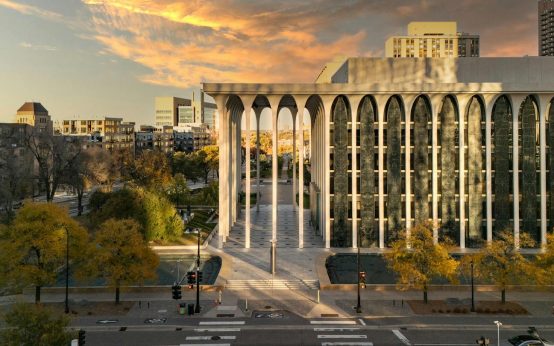 Transformation of Minneapolis Landmark Into Boutique Hotel
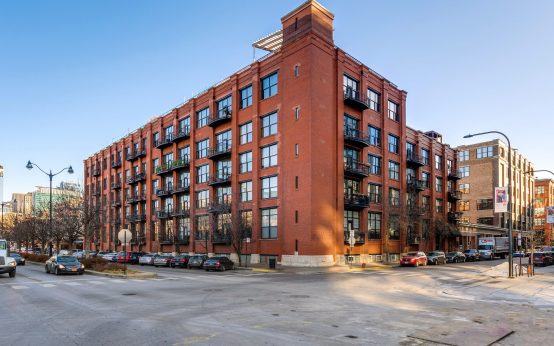 Actress Norma Kuhling Sells Condo for Asking Price
 Modern Tiny Home with Spiral Staircase and Balconies
 California’s Housing Choice: Subsidizing Demand Without Increasing Supply