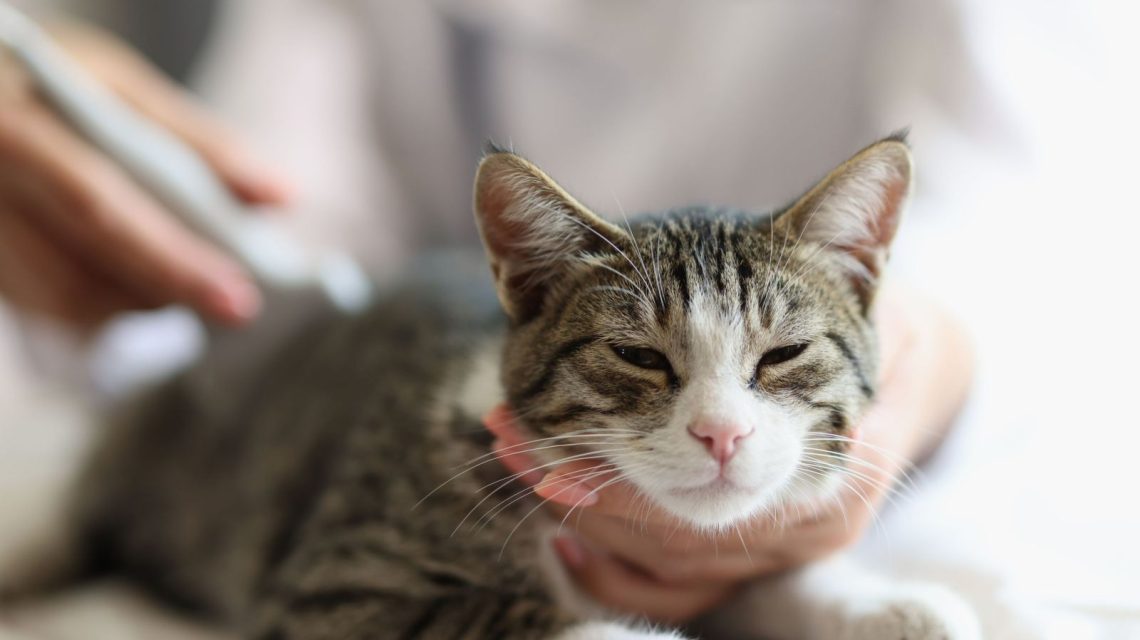
Report Highlights Contaminants in Cat Foods
A recent report from the Clean Label Project reveals the presence of heavy metals in popular U.S. cat foods. The nonprofit organization tested 100 cat food products from 62 brands, discovering lead in 99 percent, cadmium in 96 percent, and arsenic in 94 percent of samples. Mercury, glyphosate, and plastic-related chemicals were also found.
Dry cat food reportedly contains triple the lead compared to wet or air-dried products. Fish- and seafood-based formulas showed markedly higher mercury and cadmium levels than those with other proteins. Only BIXBI, Freshpet, and Smalls meet the organization’s certification standards.
Industry’s Response
Industry representatives contested the report’s methodology, emphasizing safety and compliance with recognized benchmarks. Pet Food Institute CEO Elise Fennig criticized the report for relying on the Clean Label Project’s proprietary standards instead of established scientific benchmarks from the Association of American Feed Control Officials and the National Research Council.
Fennig highlighted the lack of evidence showing contaminants at harmful levels for cats. The report’s data, based on single batch samples, might not accurately reflect overall product safety.
Calls for Transparency and Peer Review
The Pet Food Institute advocates for greater transparency regarding the Clean Label Project’s commercial relationships. Concerns echo the report’s admission of testing limitations. Each sample came from a single batch, potentially failing to capture production variations.
Molly Hamilton of the Clean Label Project remarked that premium pricing doesn’t guarantee healthier food, challenging consumer assumptions.
Expert Opinions and Criticism
Jennifer Larsen, a veterinary nutrition expert, regarded the findings as fearmongering, questioning their contextual adequacy. Occasional detection of substances doesn’t inherently signify dangerous exposure. Larsen suggested peer review for the report’s data and emphasized the need for transparency in pet-food manufacturing processes.
The potential impacts of chronic low-level exposures remain poorly understood, according to Larsen.
Comparison of U.S. and European Standards
European regulations for cat food are stricter and more centralized than those in the U.S., focusing on ingredients, additives, labeling, and safety rules. In contrast, the U.S. utilizes a decentralized system, with the FDA regulating and the AAFCO developing standards enforced by states.
Despite both regions permitting animal by-products, the EU imposes more extensive rules on sourcing and processing. Differences in preservation rules, such as the EU’s suspension of ethoxyquin, highlight formula variances between regions.
 Miracles and Healing: Insights from ‘The Angels Among Us’
 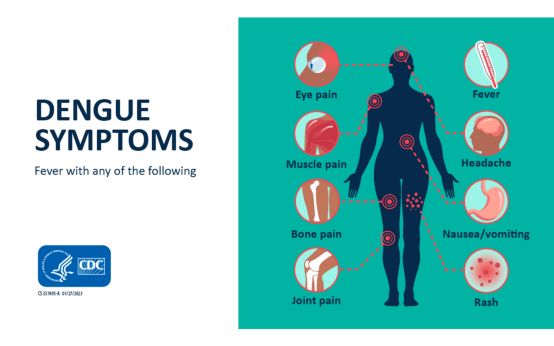 Dengue Fever Surge Impacts Multiple U.S. States
  Tickborne Alpha-gal Syndrome Impacting Martha’s Vineyard
  Examining Dementia and Lucidity: Readers Share Insights
  Addressing Systemic Racism: The Importance of ‘The Talk’ for Black and Brown Families
  Early Detection of Silent Atherosclerosis Highlights Need for Heart Health Awareness