In Berlin, vibrant markets reflect the season’s harvest. Pensioner Ute Istock attributes the wide selection of apples to the vast array of candidates in the recent city election. She expresses concern over the complexity of voting today, citing the challenge in determining how parties might govern due to the multitude of options and difficulty in forming stable majorities.
Germany’s political center faces a struggle for significance amidst gains by far-right and far-left factions. Istock shares her choice to vote for the far-left Die Linke, feeling disconnected from centrist parties. She notes that voters are choosing in more confrontational ways, echoing sentiments of political fragmentation reminiscent of periods in history that saw the rise of fascism.
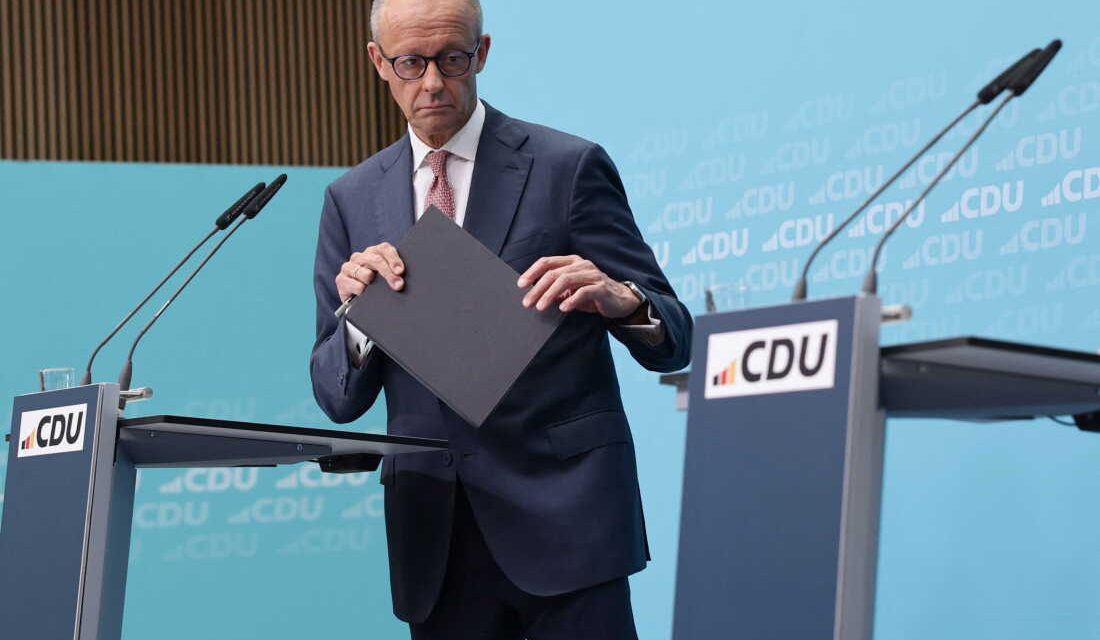
Chancellor Friedrich Merz, leading the Christian Democratic Union (CDU), addresses the decline in trust following the CDU’s poor performance in Berlin’s recent elections, its worst in state election history. Merz points out that both left and right radical parties are exploiting diminishing trust in state institutions. The CDU, alongside the Social Democrats, finds governing increasingly difficult as the thin majorities blur party distinctions.
Matthias Mirsch of the Social Democrats articulates the challenge in governmental leadership where political discussions simplify complex issues into binary choices, leaving little room for moderation. Communication adviser Maximilian Flügge suggests that social media algorithms favoring outrage contribute to this political narrowing, harming the political center’s reliance on nuance and compromise.
Amid speculation about his replacement, Merz remains steadfast, advocating for tax and welfare reforms to revitalize Germany’s economy. Acknowledging the limits of statistics in persuading people, he stresses the need to connect emotionally with citizens.
Flügge critiques the conservative government’s negative messaging, contrasting it with the far-right Alternative for Germany (AfD), which promises sweeping possibilities, including controversial ‘remigration’ policies advocating large-scale deportations. Merz harshly critiques such policies as engineered ethnic cleansing, a stance that garners both acclaim and opposition in the Bundestag, highlighting the AfD’s claim of emerging as Germany’s new comprehensive party platform under leader Alice Weidel.
 Controversy Over Judges Assigned to Trump Cases
  Former Congressman David Rivera Sentenced to 10 Years in Federal Prison
  America First Global Health Strategy and Its Implications
 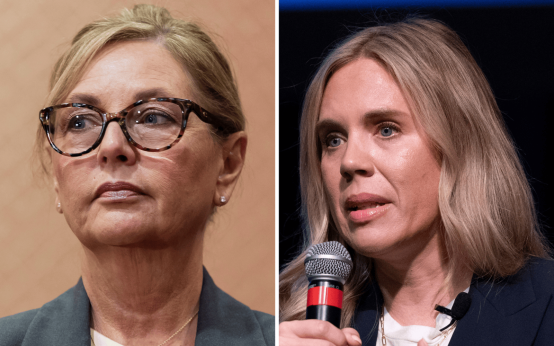 Tight Senate Race in South Carolina Draws National Attention
 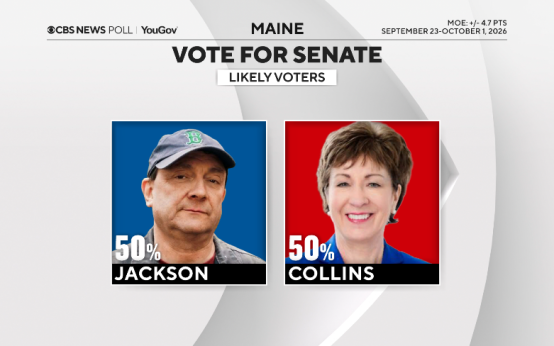 Maine Senate Race Presents Unique Challenges Amid National Trends
  Texas Becomes Key Battleground in Midterm Elections