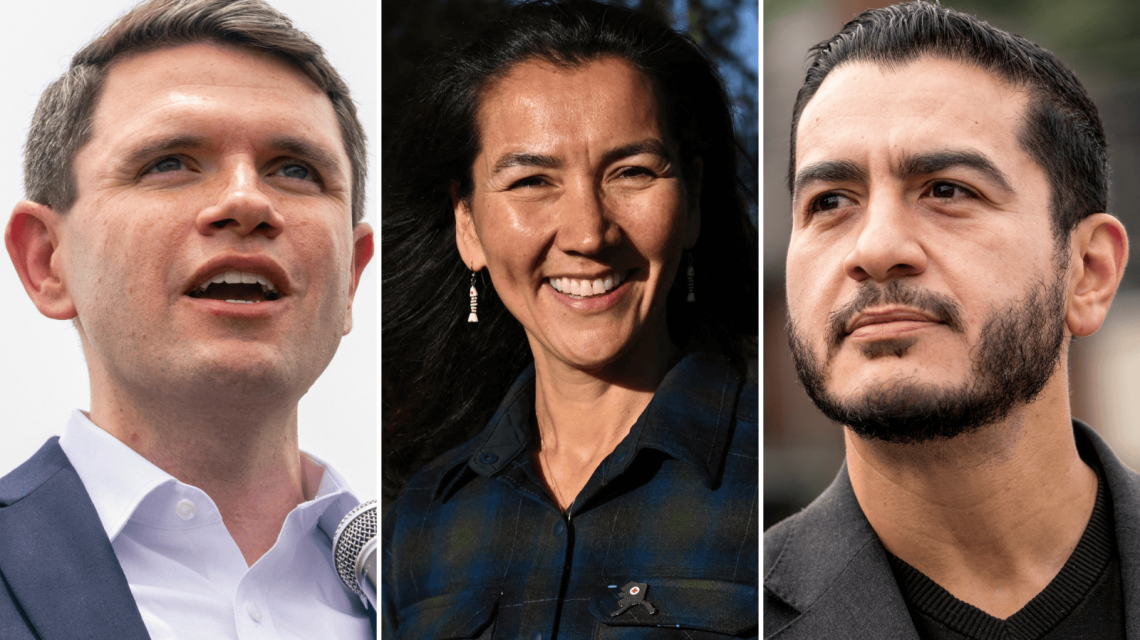
Democrats are feeling optimistic about their prospects of gaining control of the Senate in the upcoming midterm elections. A series of favorable polls has fueled this confidence. However, historical trends caution Democrats as polls have previously underestimated Republican strength in several critical states.
Senate control may hinge on a small number of tightly contested races. States like Alaska, Iowa, Maine, Michigan, Ohio, and Texas are among the most competitive battlegrounds. Both parties are hopeful about their chances in these states.
Recent polling reveals narrow races in each of these states. Republicans have often outperformed polling averages in these regions in past elections. Although polling errors do not always recur, a similar pro-Republican error this cycle could hurt Democrats’ chances of capturing the Senate.
“It’s impossible to know for sure what the polling error could look like this year,” explained Grant Davis Reeher, a political science professor at Syracuse University, to Newsweek.
Unknowns, such as voter turnout, could disrupt polls. Pollsters must estimate the likely voter pool, which varies significantly in midterms, Reeher noted.
This year, Democrats seemingly have a motivational edge, Reeher added. “How much of that is included in likely voter models? What if Republicans gain enthusiasm at the last minute?” he questioned.
Despite previous polling inaccuracies favoring Republicans, pollsters have adjusted their methods. This means that a repeat of previous errors in 2026 is not a certainty.
Democrats’ Hope for 2026 Midterms
There are several reasons Democrats remain hopeful this election cycle. Senate Minority Leader Chuck Schumer voiced optimism in a Politico interview. “We have lots of different paths to victory, and we’re not going to turn any of them down,” he stated.
Historically, an unpopular president often harms their party in the midterms. President Donald Trump’s approval ratings have recently hit record lows, partly due to economic concerns. Despite campaigning on lowering costs, living expenses are high, and gas prices have soared due to the Iran conflict.
A Quinnipiac University poll recently showed Trump with a -26 net approval rating, with 59 percent disapproving and 33 percent approving. This is a significant warning sign for Republicans as midterms near.
Democrats aim to capitalize on Trump’s unpopularity to expand their battleground into traditionally conservative states like Alaska, Iowa, Ohio, and Texas. This strategy is essential to challenge the Republicans’ 53-47 Senate majority in the November 3 election.
Special election victories have also boosted Democratic spirits. They have gained numerous Republican-held seats recently. While low turnout in these races might not mirror November’s outcomes, they demonstrate Democratic enthusiasm.
These special elections, midterm dynamics, and strong polls bolster Democratic belief in competitive Senate control this year.
Polling Challenges in Key States
Despite Democratic optimism, there remains a risk that polls might underestimate Republicans in several crucial races.
CNN data analyst Harry Enten noted that Republicans outperformed polls by significant margins in three Midwestern states with key Senate races. This included 9 points in Iowa, 6 in Ohio, and 5 in Michigan.
“The Democrat leads in these races are less than the GOP’s previous outperformance. We’ve seen this before and the outcome was not favorable for Democrats,” Enten added.
A similar error occurred in the 2018 midterm elections during Trump’s first term.
Potential Impact of Polling Errors in Six Senate Races
A pro-Republican polling error in six key Senate races might suggest these races are tighter than they appear or that Republicans could retain their Senate majority.
Alaska
Republican Senator Dan Sullivan faces a close race against Democratic former Representative Mary Peltola. Polls indicate a tight contest.
The latest Alaska Survey Research poll shows Peltola leading by 4 points, whereas an AARP poll shows a 6-point lead. However, past polls underestimated Sullivan significantly.
Nate Adams, Sullivan’s spokesperson, emphasized that Alaska’s unique challenges make polling difficult. “Even local groups like Alaska Survey Research are often wrong despite their best efforts,” he said.
Iowa
In Iowa, the race remains close. RealClearPolitics shows Democrat Josh Turek with a slight edge over Republican Ashley Hinson. A minor polling error favoring Hinson could change the outcome.
Trump was underestimated in 2024 polls, showing an average 4.7-point lead but winning by 13 points.
Quantus Insights recently showed Hinson slightly ahead, while InsiderAdvantage gave Turek a small advantage.
Maine
Republican Senator Susan Collins faces Democrat Troy Jackson in Maine. Despite the state’s Democratic lean, Collins has historically won due to her popularity.
In 2020, polls showed Collins trailing but she won decisively. This raises concerns about potential polling errors this year.
Recent polls have Jackson slightly ahead, yet another shows Collins leading.
Michigan
The retirement of Democratic Senator Gary Peters leaves an open seat in this battleground. Competitors Abdul El-Sayed and Mike Rogers are closely matched.
Recent polls show El-Sayed with narrow leads. Past polling errors favoring Trump in Michigan prompt caution about potential errors again.
Ohio
Former Democratic Senator Sherrod Brown seeks a return in Ohio against Republican Jon Husted. Polls indicate a close race.
In past elections, Republican performance exceeded poll expectations, adding uncertainty.
Recent polls show Brown with a slight edge.
Texas
Texas, a traditional Republican stronghold, has become competitive. Democrat James Talarico and Republican Ken Paxton are in a close race.
Polling data show Talarico with a small lead. Past polling errors underestimated Republicans, highlighting potential pitfalls.
Looking Ahead
Polling data will remain a focus as the midterms approach. Candidates are working to energize their base and attract undecided voters in pivotal swing states. Key issues such as Trump’s approval rating, economic concerns, and international tensions could influence voter decisions.
Newsweek reporters and editors produced this article using Martyn, their AI assistant. For more details, reach out to Newsweek editors Jason Lemon and Gray R. Thomas.
 Challenges Faced by Republicans in the Upcoming Midterms
 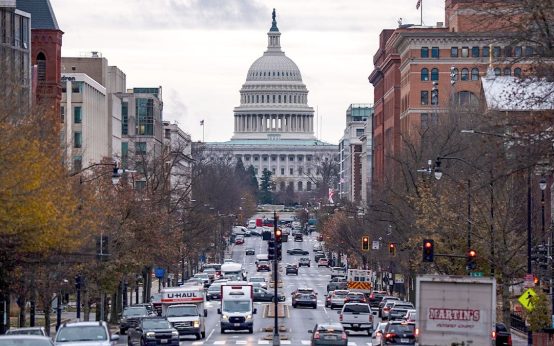 Congress Faces Unease Amid Fall Transition and Upcoming Midterms
 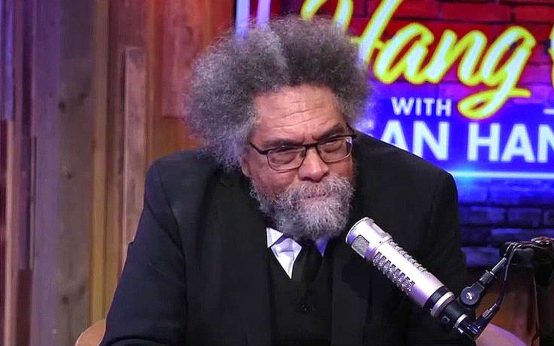 Cornel West Discusses Ideological Differences with Sean Hannity
 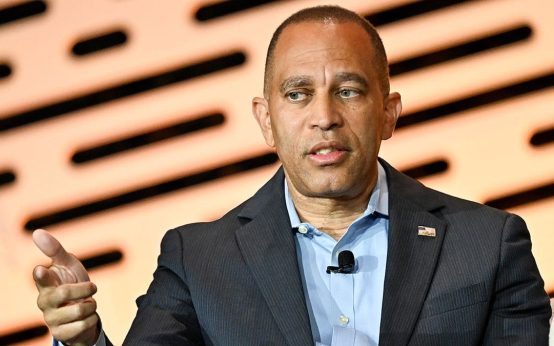 The Final Sprint for Congressional Control: Key Districts to Watch
  President Trump Discusses Key Issues Before Midterm Elections
  States Lead in Energy Policy Amid Federal Setbacks