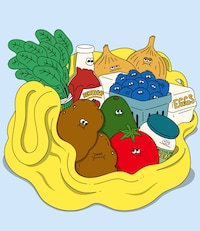
With rising grocery prices and the increased risk of produce-related illness, understanding food safety has never been more crucial. Proper storage can help extend the freshness of your groceries, saving you time and money.
Food Storage Tips
When you come home with groceries, putting them away might seem like the easy part. However, ensuring optimal freshness requires the right approach.
Ripening Avocados
If your avocado isn’t ripe yet, you can speed up the process by placing it in a brown paper bag. The ethylene gas produced will help it ripen faster.
Storing Fresh Berries
Avoid washing fresh berries before storing them in the refrigerator. Moisture can promote mold growth, reducing their shelf life.
Ketchup Storage
Once opened, ketchup should be stored in the refrigerator. This helps maintain its flavor and quality.
Yeast Storage
If you have a large package of yeast but bake infrequently, store it in the refrigerator or freezer for extended shelf life.
Potato Storage
Keep potatoes away from onions. Onions emit gases that can cause potatoes to spoil faster.
Carrot Storage
To extend the freshness of carrots, remove their green tops and store them in the refrigerator in a damp paper towel.
Nuts Storage
To extend the shelf life of a large bag of nuts, store them in the freezer. This prevents oils from going rancid.
Raw Meat Storage
Raw meat should be cooked or frozen within two days to prevent spoilage.
Tomato Storage
Ripe tomatoes should be kept at room temperature if you don’t plan to eat them immediately. Refrigeration can alter their texture and flavor.
Egg Storage
Store eggs in their carton inside the refrigerator. The carton helps protect them from absorbing odors and flavors from other foods.
 Nate Bargatze Embodies Simplicity and Trust in New Ford Campaign
  Emily Ratajkowski’s VMAs Look and Personal Touches
  Early Halloween at Triton College with ‘Trunk-or-Treat in Space’
  Identifying Ultra-Processed Peanut Butter
  Tribune Holiday Cookie Contest Celebrates 40 Years
  Restaurants Introduce Phone-Free Dining to Enhance Guest Experience