Crime rates in America may decline, yet the fascination with true crime stories remains immense. This fall, enthusiasts have numerous options, from streaming shows like Netflix’s Monster: The Lizzie Borden Story to popular podcasts such as Crime Junkie, and television programs like CBS News’ own 48 Hours. Additionally, films like By Any Means and platforms like Court TV continue to engage audiences with their crime narratives.
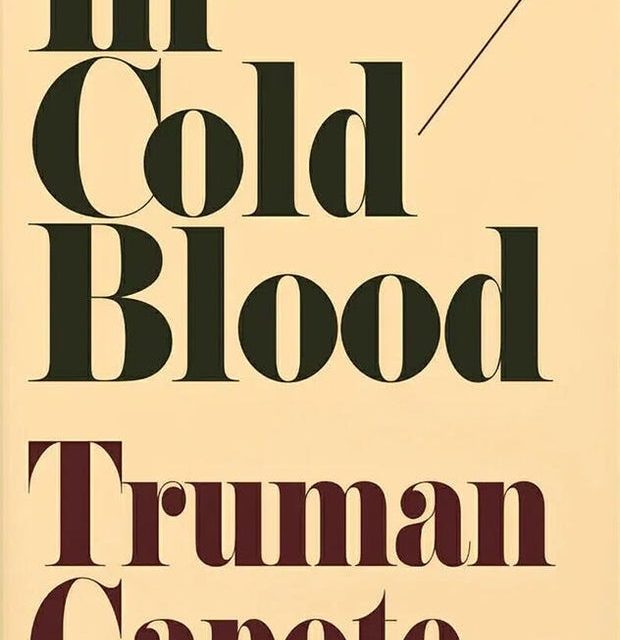
“I read Truman Capote’s In Cold Blood in my late teens, and it profoundly impacted me.” – Jean Murley
The genre’s allure is not recent. Many attribute its popular roots to Truman Capote’s 1966 book In Cold Blood about the Clutter family murders in Kansas. Jean Murley, a professor at the Savannah College of Art and Design, has long studied the true crime trend. She reflects on her fascination with the genre’s dramatic and real narratives.
A prime example of true crime’s appeal is the infamous Lizzie Borden case. In 1892, Lizzie was accused of brutally murdering her father Andrew and stepmother Abby in Massachusetts. Despite the high-profile nature of the case, Lizzie was never convicted, and the case remains unsolved, keeping public interest alive.
Murley suggests that the draw to such stories lies in their exploration of intense human emotions and mortality. For women, these narratives also touch on vulnerability and violence, topics discussed on the well-known podcast My Favorite Murder hosted by Karen Kilgariff and Georgia Hardstark.
Initially recording in modest conditions, the duo aimed for personal engagement rather than vast audiences. Yet, their podcast eventually reached over two billion downloads and led to the creation of Exactly Right Media, reflecting the mainstream appeal of true crime.
A central question arises: Is it acceptable to build entertainment on real-life tragedies? Kilgariff and Hardstark stress the importance of victim-focused narratives, providing insights into human experiences rather than mere entertainment.
CrimeCon, an annual event held in locations like Las Vegas, embodies the true crime phenomenon. Attendees and content creators gather to explore crime stories further. Erin Moriarty from 48 Hours, present at the event, acknowledges both the popularity and the serious nature of these narratives.
Digital sleuths are a growing aspect of this community, often helping to solve cold cases using public resources. However, overzealous investigations can unfairly target individuals, as noted in the Bryan Kohberger case.
Steve and Kristi Goncalves, whose daughter Kaylee was killed in 2022, attended CrimeCon to promote their foundation, Murder Has a Name. It aims to support unsolved murder investigations. The Goncalves family once shared a keen interest in true crime shows, but after their personal tragedy, they view these stories through a profoundly different lens.
“When you see them crying on TV, you know exactly what they’re feeling.” – Steve Goncalves
In Massachusetts, the Lizzie Borden House now serves as a themed bed and breakfast. Here, Jean Murley discusses engaging with true crime without losing empathy. She believes most people are inherently good and stresses the importance of remembering the humanity at the core of true crime tales.