The Rise of 7-OH and Its Impact
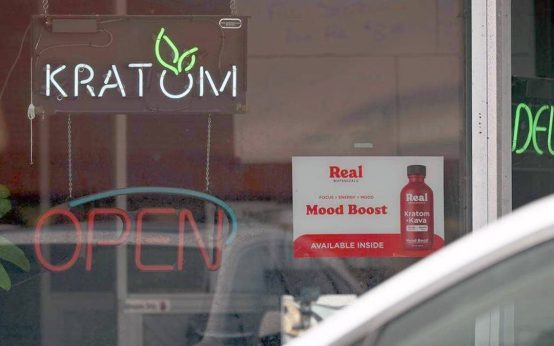
Many Illinois residents are unfamiliar with 7-OH, a substance potentially driving the next wave of the opioid epidemic. Sold in vape shops and convenience stores as tablets, liquids, and gummies, 7-OH has sparked concern among federal officials.
7-Hydroxymitragynine: Understanding the Compound
7-OH, known as 7-hydroxymitragynine, exists naturally in the kratom plant in small amounts. Recently, products with artificially high levels of 7-OH have appeared, acting similarly to opioids.
DEA Proposal and Business Reactions
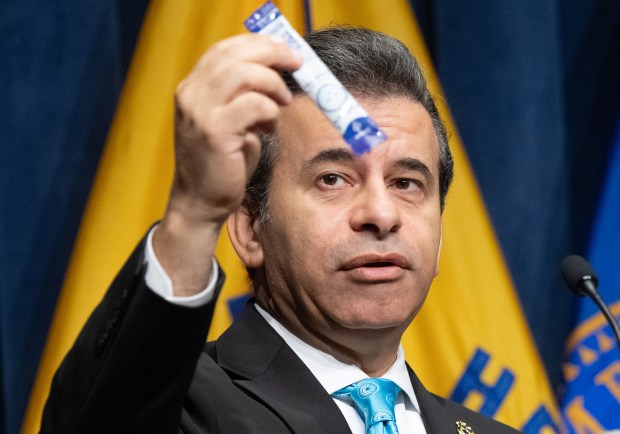
The U.S. Drug Enforcement Administration proposed temporarily classifying 7-OH as a Schedule I substance, reserved for drugs with no medical use and high abuse potential, like LSD and heroin. This would make the sale of 7-OH products illegal.
Illinois businesses have acted swiftly, removing 7-OH products ahead of any official decision. This has led to concerns about withdrawal and increased patient admissions in addiction recovery centers.
Withdrawal Challenges and Treatment
Withdrawal from 7-OH involves severe symptoms akin to a strong flu, lasting days or weeks. This situation has prompted outreach efforts by treatment centers in anticipation of increased demand for support.
The Dangers of 7-OH Use
Examples from individuals like Ryan illustrate how 7-OH can lead to addiction and severe withdrawal symptoms. The substance’s easy availability contributes to widespread misuse and harmful dependencies.
Alternatives and Potential Outcomes
If banned, people may turn to other opioids or seek treatment. Regulators are prompted to consider how best to address the substance’s risks while supporting those dependent on it.
Advocacy for Regulation
Some argue for regulation rather than a ban, noting 7-OH’s role in chronic pain relief. They suggest regulating products to ensure safe use.
Local and National Legislative Efforts
Various local and national legislative efforts reflect attempts to manage 7-OH’s distribution. While some Illinois municipalities have already banned 7-OH products, the broader regulatory landscape continues to evolve.
Potential Consequences of the Ban
Experts highlight the possibility of new substances emerging if 7-OH is banned. History shows a pattern of replacement by potentially more harmful alternatives.
“In the history of scheduling drugs, oftentimes what happens is it gets replaced by something worse,” said Professor Maryann Mason.
Seeking Help and Support
If you face challenges related to mental health or substance use disorders, support is available via the federal helpline at 1-800-662-HELP (4357). Text assistance is also accessible by texting your ZIP code to 435748 (HELP4U).
 Northern Ireland Woman’s Journey Through Painful Spinal Condition
  Ultra-Processed Foods Linked to Higher Risk of Chronic Diseases
  Understanding Memory Lapses and Hormonal Changes in Women
  Concerns About Kratom and Its Potential Health Risks
  Conjoined Twins Separated in Complex Surgery
  Genetic Mutation Linked to Elevated Lung Cancer Risk