
Hungary is undergoing significant changes after moving away from the leadership of former Prime Minister Viktor Orbán, who led the country for 16 years. Under the new Prime Minister, Péter Magyar, the focus is on eliminating corruption, liberalizing state institutions, and reconstructing relationships with European allies. Magyar’s victory over Orbán in the April election has sparked discussions about potential transformations in the U.S. following Trump.
Hungarian Foreign Minister Anita Orbán, speaking at the United Nations General Assembly, emphasized maintaining strong ties with the U.S., despite the ongoing policy changes. She noted, “The relationship between the two countries is solid.” NATO continues to be the foundational alliance supporting this partnership. The new government plans to progress with agreements and proposals set by the previous administration in cooperation with Trump.
The main alliance, which provides the framework, is, of course, NATO.
Hungary maintains a conservative stance, aligning with many values shared by Trump. “We are very pro-family and committed to defending our borders,” Anita Orbán stated, highlighting continuities from the previous administration. Migration remains a central issue, and Hungary will maintain strong defenses against illegal activities.
The task for Magyar’s team includes balancing domestic reforms while renewing ties with the EU, seeking to represent Hungary’s national interests firmly. According to Anita Orbán, the previous administration drifted from Hungary’s natural alliances, particularly the EU and NATO. The current government seeks to return as a trusted, constructive partner within these alliances without sacrificing sovereignty.
We fully respect Ukraine’s sovereignty and territorial integrity and find Russia’s activities in Europe alarming.
The revised approach includes promoting domestic initiatives like economic growth, enhancing education, and improving healthcare. These efforts aim to rejuvenate Hungary, initially damaged by years of illiberal democracy. Anita Orbán expressed concerns about the influence campaigns and emphasized focusing on Hungary’s interests.
Hungary remains vigilant about outside threats, particularly from Russia. Tensions in the region are challenging European stability, with the Russia-Ukraine conflict threatening to escalate. Anita Orbán remarked on Hungary’s proactive stance, exceeding NATO’s defense budget requirements and advocating for European nations to bolster their own security.
Despite expelling Russian diplomats, Hungary maintains open diplomatic routes with Russia, acknowledging its role as an energy supplier and regional power. Such openness aims to balance defense needs and foster constructive dialogue.
 Major Incident Declared Near U.K. Airbase Used for U.S. Military Strikes
 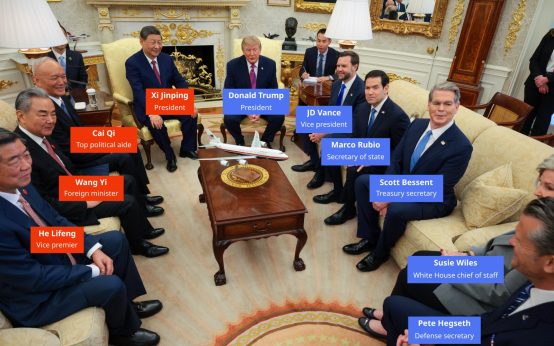 Xi Jinping’s Quest for Global Leadership and Succession Challenges
 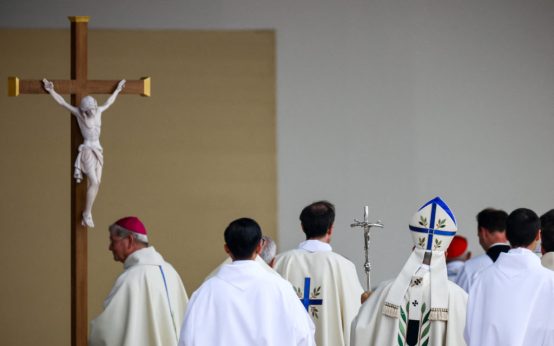 Pope Leo XIV Draws Massive Crowd in Paris, Highlighting Enduring Catholic Influence
  Pacific Hurricanes Pose Flood Risk to Southern California
 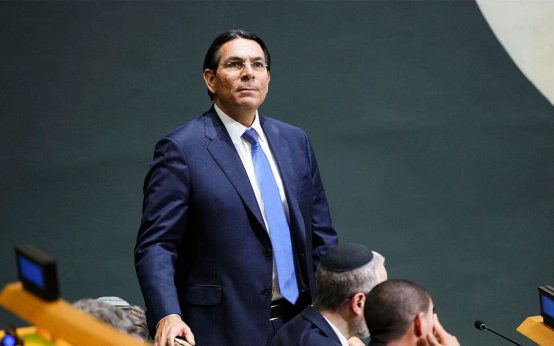 Israel’s U.N. Ambassador’s Viral Video Reaches Iranian Audience
 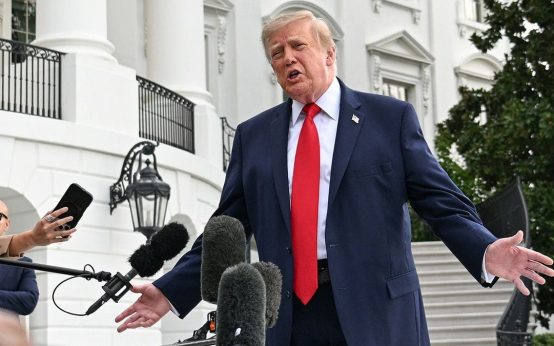 Trump’s Remarks on Ukraine-Russia War Casualties and Peace Efforts