
Campaign Views on the War
Abdul El-Sayed, Michigan’s Democratic Senate nominee, made a strong statement in his latest campaign video. He stood outside a gas station, pointed at rising fuel prices, and criticized the ongoing conflict, calling it ‘a stupid war we shouldn’t be fighting.’ His Republican opponent, Mike Rogers, endorsed by former President Donald Trump, held similar views but abstained from such a strong verdict, expressing that the war should ‘end quickly.’
In Iowa, Republican Senate nominee Ashley Hinson also aimed for a ‘successful and immediate end.’ This shared goal across party lines reflects a unified sentiment among Senate nominees regarding the war with Iran. However, there is division in opinions concerning the peace process that follows.
Questions to Address in the New Iran Settlement
For any future settlement concerning Iran that aims to be lasting, two primary questions need answers. Firstly, will Washington honor an agreement post-election, and secondly, can Tehran be trusted to abide by it? The first question demands bipartisan support in Congress to ensure credibility. The second question necessitates terms that verification through inspectors can enforce.
Historical precedence doesn’t inspire much optimism—the 2015 nuclear agreement passed without Republican support, and Trump exited the U.S. from it in May 2018. Additionally, his June memorandum with Tehran fell apart within weeks of its inception.
Democratic Strategy and Potential Outcomes
Democrats face the task of accommodating some of Trump’s objections from past agreements. This approach aims to reduce the possibility of future Republican leaders discarding new agreements. Democrats must also convert their principles into specific terms for the settlement.
Representative Gregory Meeks criticized the war’s ineffectiveness, notably leaving Iran’s nuclear and missile programs intact, and advocated for multilateral diplomacy to address these issues. Virginia Senator Tim Kaine expressed opposition to Trump’s June memorandum, declaring its terms too generous. Conversely, Senator Chris Murphy of Connecticut showed readiness for almost any agreement to end the conflict, highlighting the war’s human and monetary costs.
The Pentagon reported 19 U.S. service member fatalities and over 820 wounded. The war has accrued around $38 billion in Pentagon costs by August. Fuel prices have surged, with gas nearing $4.50 per gallon and diesel hitting a peak of $6.53 on September 22.
Congressional Influence and the Strait of Hormuz
The House has passed three war-powers resolutions since June, with the latest one passing on September 15. A Democratic House could influence the review process required for any nuclear agreement with Iran, notwithstanding its inability to block a presidential agreement single-handedly.
The Strait of Hormuz remains a critical discussion point, with potential negotiations for Iran to reopen it in exchange for lifting the U.S. blockade. The June memorandum left ambiguous terms regarding passage rights and administration of the strait, contributing to misunderstandings between Tehran and Washington.
Democrats’ September resolution allows for defending against imminent attacks under specified circumstances. However, the resolution’s application in scenarios like neutral tankers under threat remains unclear.
Nuclear Concerns and Future Challenges
The nuclear situation is now arguably more challenging than it was in 2015. According to the International Atomic Energy Agency’s September report, access to Iranian nuclear facilities has been cut off since June, obscuring visibility on enriched uranium stockpiles and the status of enrichment plants.
The challenges faced reflect some criticisms Trump had of the 2015 deal, such as limited inspections and unaddressed missile developments. These factors emphasize the necessity of Republican support for new agreements. Thus, future stability may demand Democrats and Republicans to unite, despite previous differences, in shaping any future agreements with Iran.
The key test for Democrats is defining the specific terms they support and ensuring these align with bipartisan scrutiny. Only through such measures can Democrats untangle the complexity left by previous administrations, whether they wish to or not, potentially inheriting the war’s complications.
 Susan Collins’ Independent Stance Examined in Maine Senate Race
 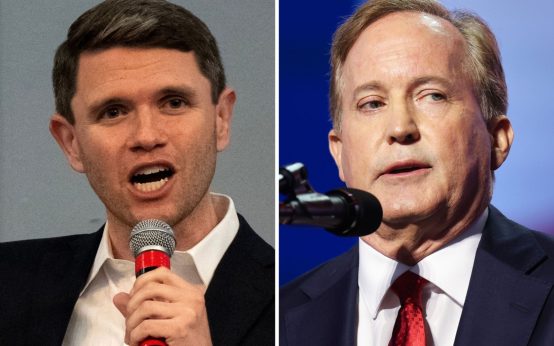 Texas Senate Race: Talarico Challenges Paxton to Debate
  Angie Nixon’s Views on AI Data Centers and Political Challenges in Florida
  Trump Administration Cuts Nearly $1 Billion in Pocket Rescission
 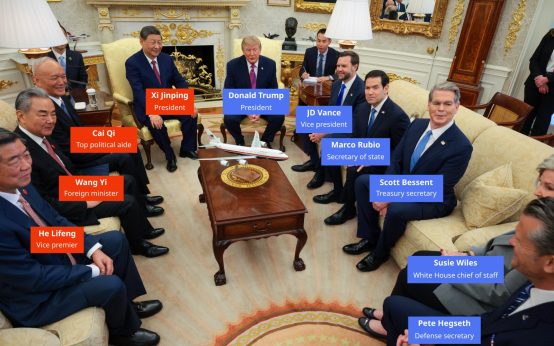 Xi Jinping’s Quest for Global Leadership and Succession Challenges
  Trump Credits His Approach in Addressing Crime Issues