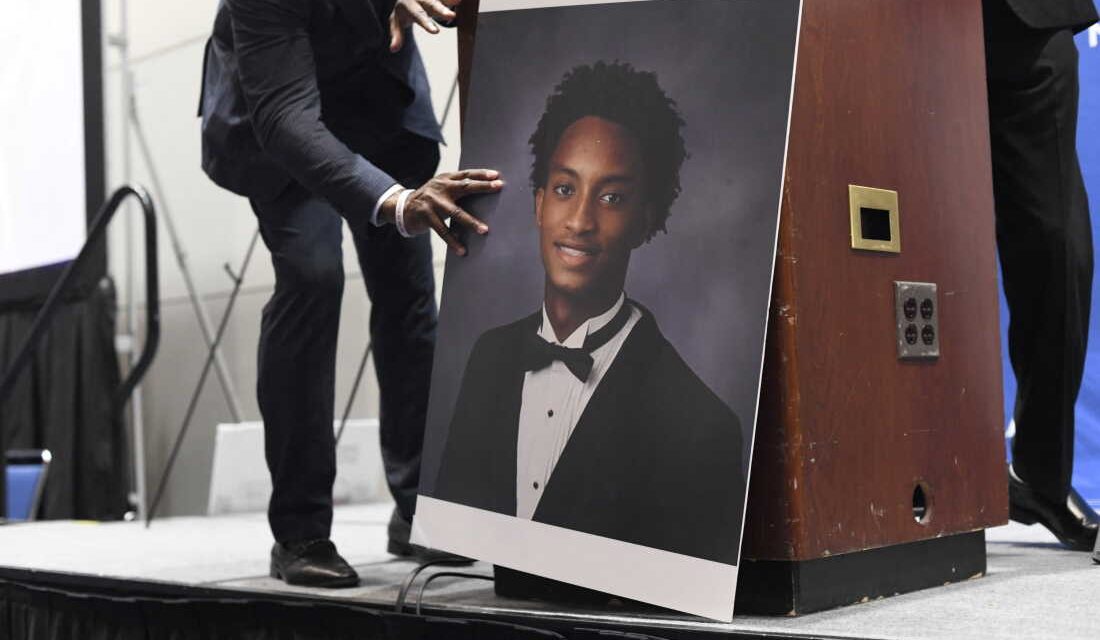
A photograph of Nolan Xavier Wells was placed in front of the podium before a news conference at McCormick Place in Chicago on July 22. Wells, an 18-year-old college student from Mississippi, was discovered dead after a July 4 boat trip with friends.
A Mississippi grand jury decided not to issue indictments regarding Wells’ death. The jury identified no credible evidence linking passengers of boats that traveled to and from Horn Island on July 4 to any criminal activity associated with Wells’ death, as stated in the report.
The grand jury convened between September 14 and September 18. Multiple autopsies revealed Wells’ death likely resulted from drowning, though the cause is formally undetermined. The jury evaluated over 40 witnesses and various evidence types, including GPS data, cellphone records, photos, and videos. Civil rights attorney Ben Crump, representing the Wells family, also provided evidence.
Crump commented on Facebook, suggesting the lack of indictments does not clarify how Nolan Wells died. Wells was the only Black member among the friends he joined on Horn Island. According to the grand jury report, Wells opted to remain on Horn Island on July 4, noting that returning from an island on different boats was neither unusual nor suspicious. The report corroborated accounts from those on the boats, including details about the Triton needing towing after taking on water. District Attorney Angel Myers McIlrath affirmed Wells’ decision to stay on Horn Island. An extensive search of the island on July 5 did not uncover Wells’ body immediately, as the report indicates.
Statements from Myers McIlrath refute motives of racial hate or violence in Wells’ disappearance and death.
An independent autopsy by Dr. Roger Mitchell, alongside the state medical examiner, declared the cause of death undetermined, with drowning as a potential outcome by exclusion. Crump noted bruises on Wells’ head and back, raising questions about their origin. The independent autopsy recommends further investigation due to uncertainties about Wells’ condition upon entering the water.
The Crump team advised Myers McIlrath’s office that no crime evidence exists against Nolan Wells following its independent autopsy results and numerous tips received.
From Wells’ parents’ viewpoint, concerns emerged about law enforcement prematurely ruling out foul play initially and providing updates too slowly. Distress over cellphone handling arose, with claims of deleted messages and delayed communication to the public.
Myers McIlrath defends grand jury confidentiality as key to integrity. She rebutted false narratives, asserting openness and cooperation throughout the investigation processes. Evidence from Crump’s team confirmed no deletions occurred on Wells’ phone post-disappearance. She described receiving selective reports rather than complete extraction data as intended.
Civil litigation actions remain possible, signaled by notices sent to Wells’ acquaintances on the day of his funeral. Claims of reputation damage have surfaced, including threats of defamation litigation connected to social media actions.
Wells’ friends considered defamation suits against figures like Rev. Al Sharpton and Sunny Hostin. The grand jury labeled suspicions involving Wells’ friends as driven by public outrage and personal hostility. Mississippi allows evidence reconsideration with no statute of limitations on homicide cases.
 Vermont Shooting Verdict
 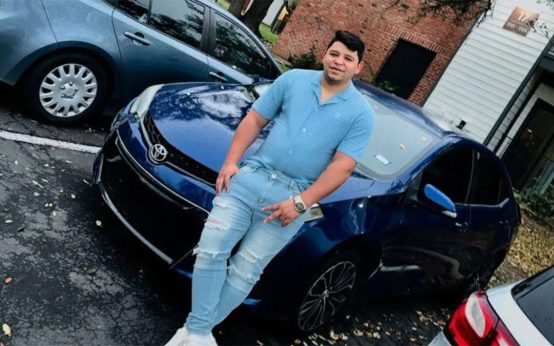 Federal Judge Blocks Deportation of Immigrant Shot by ICE
  Body Camera Footage Released of Venezuelan Immigrant’s Arrest After ICE Shooting
 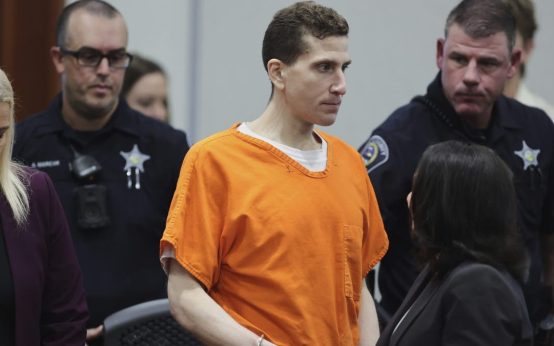 Prosecutors Oppose Bryan Kohberger’s Plea Withdrawal
  Reiner Seeks Access to Trust Fund for Legal Defense
 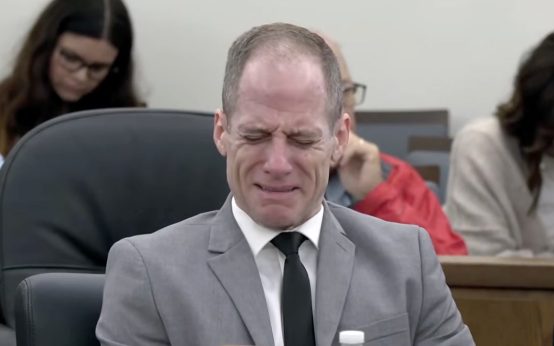 Former ‘American Idol’ Contestant on Trial Over Missing Gun and Allegations of Murder