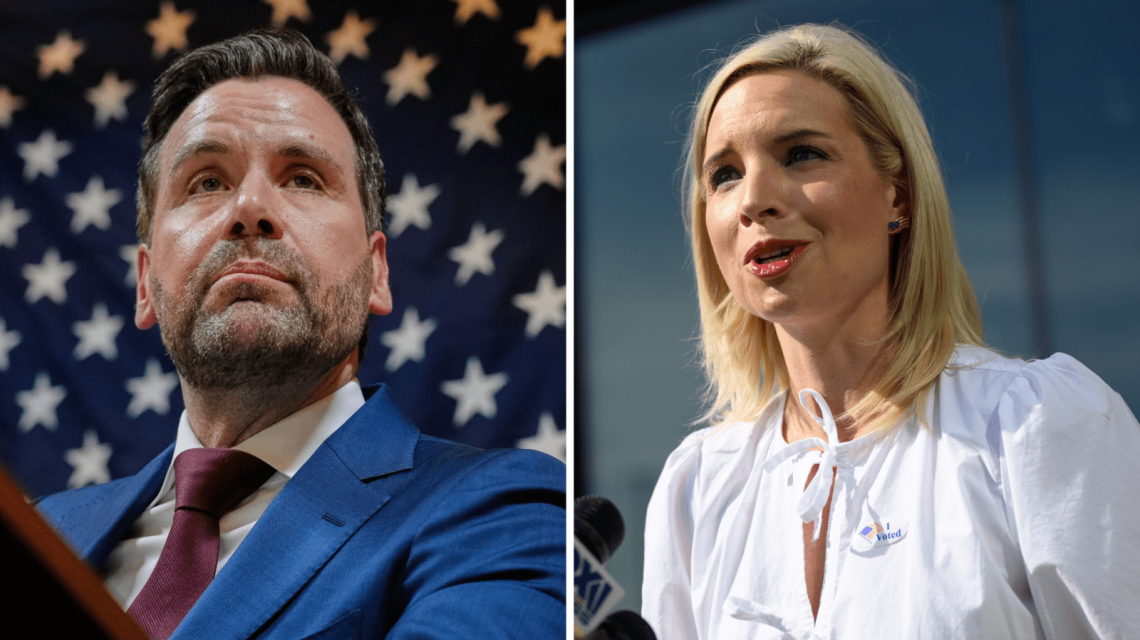
Marist Poll Results in Iowa Senate Race
A new Marist poll reveals Democrat Josh Turek leading Republican Ashley Hinson in Iowa’s Senate election. This competitive race mirrors conditions present during Democrats’ last statewide Senate victory 18 years ago. The poll, released Tuesday, shows 50% of registered voters in Iowa support Turek, while 42% back Hinson.
The poll surveyed 1,050 registered Iowa voters via phone, text, or online between September 17 and 20. The candidates are vying to replace retiring Republican Senator Joni Ernst in a contest that could influence U.S. Senate control. Recently, Hinson diverged from President Donald Trump by advocating for the Iran war’s end, although Trump endorsed her last September.
Historical Context of Iowa Senate Elections
Democrats last won an Iowa Senate election 18 years ago, when Senator Tom Harkin defeated Republican Christopher Reed. Since then, Republicans Joni Ernst and Chuck Grassley have dominated Iowa’s Senate seats.
Current midterm elections might shift House and Senate control. Republican candidates contend with broad American concerns like the economy, inflation, fuel costs, and the Iran war.
Iowa’s electoral history reflects competition. Despite voting Republican in Senate elections since 2008, Iowa has a history of favoring presidential candidates from both parties. Trump prevailed in Iowa three times, while Obama won twice. Prediction market Polymarket labeled the Iowa election a toss-up, granting Turek a 48% chance of victory.
Parallels and Differences with Previous Elections
Current political conditions resemble those of the 2008 election. Economic anxiety is widespread, both in Iowa and nationally. Although 2008’s concerns stemmed from a financial crisis, both election cycles are defined by concerns over rising prices.
Farmers, pivotal to Iowa’s economy, are especially affected by tariffs, the Iran war, and fuel costs. Iowa Democratic Party spokesperson Drew Myers criticized Hinson’s voting record, alleging it benefits Big Oil donors and increases her net worth, all while raising costs for Iowans.
Hinson acknowledged the political risk, calling for an end to the Iran war and proposing relief measures for high prices, such as suspending gas tax and implementing infrastructure improvements. Turek responded, emphasizing Hinson’s continued support for the war despite opportunities to vote against it.
The Iran conflict is reminiscent of the 2008 political climate revolving around the Iraq War. Obama’s opposition contrasted with Republican candidate John McCain’s defense of Iraq decisions.
Despite similarities to the 2008 race with Harkin’s victory, notable differences exist. The Iraq war involved ground invasion, unlike limited U.S. involvement in Iran. Furthermore, the 2008 Senate race was a general election, not midterm.
Upcoming Developments
More polls will likely emerge before the midterm election, refining insight into Turek’s lead indicated by the Marist poll. As the November 3 election nears, both campaigns are expected to intensify spending and voter engagement efforts. While the Senate race outcome between Hinson and Turek is uncertain, Iowa emerges as a central focus in this midterm cycle.
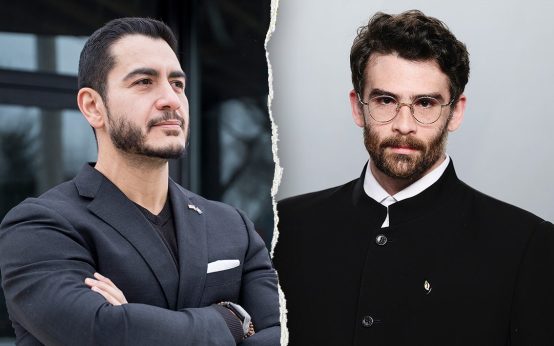 Criticism Arises Over Michigan Senate Nominee’s Association with Streamer
  Homeland Security Takes Action Against Voter Fraud
 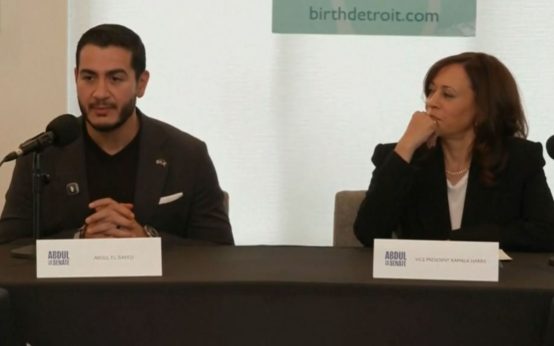 Kamala Harris Joins Abdul El-Sayed in Michigan Senate Campaign
  Public Confidence in the Supreme Court at Record Lows
  Federal Authorities Arrest California Lawmaker’s Aide for Visa Overstay
  Hasan Piker Addresses Controversial Comments and Political Involvement