
The current global landscape often appears dominated by influential autocrats. Figures like Presidents Donald Trump, Xi Jinping, and Vladimir Putin have significant sway on international affairs. Recent events, such as the U.N. General Assembly in New York, may seem overshadowed by power dynamics at gatherings like the Trump-Xi summit.
Despite this present-day reality, the notion that we are entering a new era of autocracy may not hold entirely true. There is a possibility of being in a transition phase rather than the dawn of an autocratic age. The balance of global influence could shift over time, reflecting changes in political landscapes and governance models.
Understanding these shifts requires examining patterns of leadership, international relations, and geopolitics. There remains potential for democratic norms to reassert themselves, challenging the predominance of autocratic leaders.
 Venezuelan Migrant Arrest in Texas Sparks Outrage
 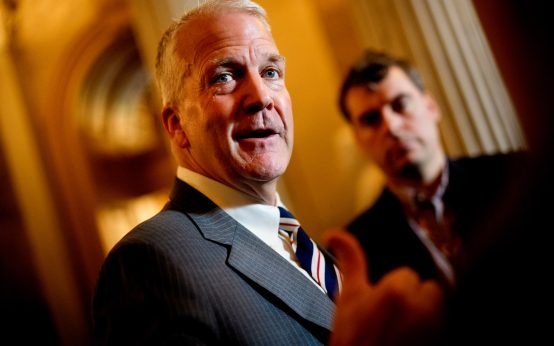 Senator Calls for Halt in Diesel Exports Amid Rising Fuel Costs
  Investigation into Far-Left Groups Organizing Protests
  Deadly Dispute Over Beach Chairs in Greece
 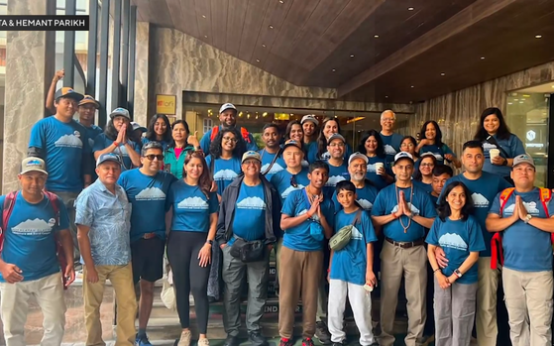 Couple’s Fortunate Detour Saves Them from Himalayan Disaster
  Senator Criticizes Planned White House Welcome for Xi Jinping