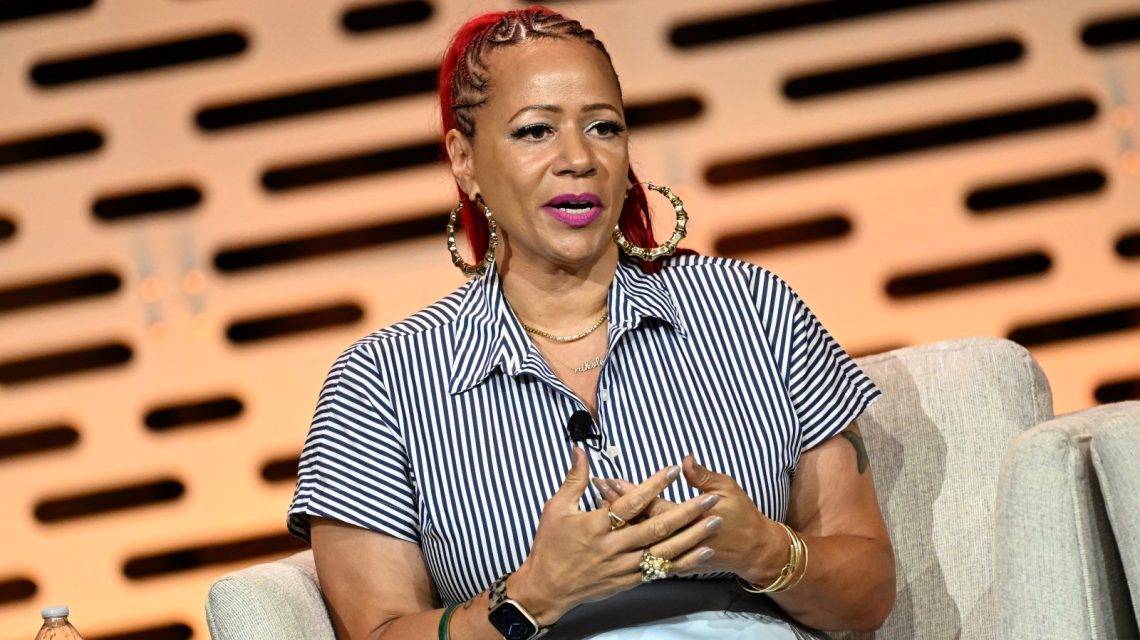
Ten years ago, Nikole Hannah-Jones, Pulitzer Prize winner known for The 1619 Project, put her daughter on The New York Times Magazine cover to argue for school integration. She faced a personal choice: choosing an integrated school for her child’s education.
Hannah-Jones expressed doubts about her decision in a 2016 essay after her daughter Najya joined a high-poverty Brooklyn school she and her husband picked. Najya attended Public School 307, situated near private housing. At that time, 91% of its students were Black and Latino.
In a follow-up essay, Hannah-Jones admitted possible mistakes. She acknowledged problems at the school and shared her inability to forgive herself for those decisions. She wrote, “When it comes to choices…I feel I failed both my values and my child.”
Najya, once one of the brightest in her class, faced challenges with basic exams. Years later, she struggled with algebra, which traces back to elementary schooling gaps. She candidly asked her mother if she knew the school’s shortcomings when enrolling her.
Hannah-Jones discovered ungraded assignments in Najya’s math folder. A literacy coach later suggested Najya’s teacher skipped mandatory assessments. The accumulated failures made Hannah-Jones realize what Najya missed in education.
Reflecting on their choices, Hannah-Jones apologized simply: “I didn’t do the best for you, and I am so sorry.” Despite her personal regret, she defended her views on education’s broader context, addressing persistent segregation issues.
The essay incited debate about “Woke 1.0,” linked to progressive politics. Critics like Henry Mack and Maud Maron criticized Hannah-Jones’ choice and its implications. Maron pointed out inconsistencies in Hannah-Jones’ past criticisms and choices for Najya.
Not all reactions were negative. Monica Marks commended Hannah-Jones for her candidness. She acknowledged the difficulty of confronting personal failures in public.
Elsewhere, “Woke 1.0” drew national interest. Progressives like Alexandria Ocasio-Cortez and Abdul El-Sayed revisited past attitudes and statements. This included defunding the police and other issues linked to progressive agendas.
Several progressive candidates, including JoAnna Mendoza and Francesca Hong, faced scrutiny over previous positions. The dynamics among Democrats shifted, focusing more on economic issues and institutional reforms.
Transgender athlete participation remains contentious. Recent polls show a majority support restricting participation based on sex at birth. Internal debates continue as Democrats determine which aspects of past politics fit present and future campaigns.
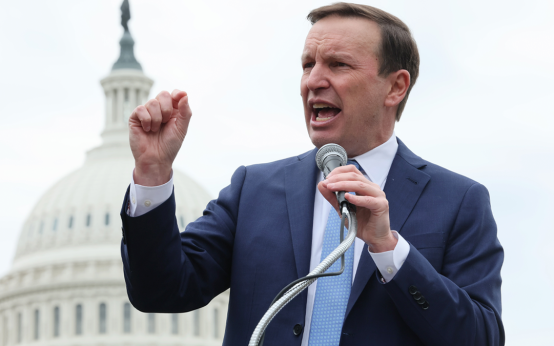 Senator Murphy Calls for Internet Regulation to Prevent Influence of Demagogues
 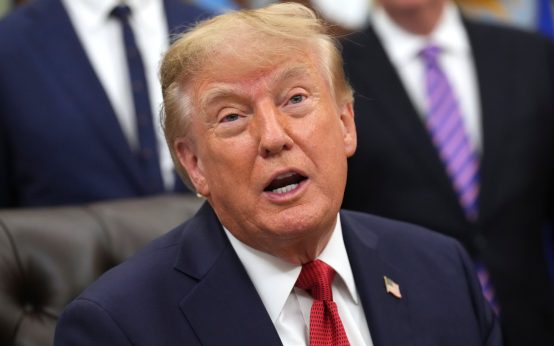 White House Introduces ‘Trump TV: The Essentials Station’
  Media Organizations Sue Trump Administration Over Access Restrictions
  Trump’s Media Ban Examined by Journalism Expert
  JD Vance Trailing in Early 2028 Presidential Polls
  Trump Administration’s Proposal for Stay-at-Home Parents: An Analysis