
President Lyndon B. Johnson aimed to combat poverty in America through his ambitious proposals during his first State of the Union address in 1964. His declaration of an “unconditional war on poverty” included several initiatives designed to alleviate economic hardships.
Among the proposed measures were expanding the food stamps program, raising the minimum wage, and overhauling unemployment insurance. Johnson advocated for increased education funding and a significant boost in housing for the poor. The push for enhanced mass transit, libraries, and hospitals was central to his vision.
Johnson also emphasized healthcare by calling for “hospital insurance for our older citizens”. This insurance would be funded through contributions, capped at $1 per month, from workers and their employers under the Social Security framework.
“Democracy Dies in Darkness.” This phrase underscores the importance of transparency and accountability.
The ambitious nature of Johnson’s initiatives reflects the complexity of addressing poverty, showing that even with well-intentioned plans, results can be mixed and challenging to achieve.
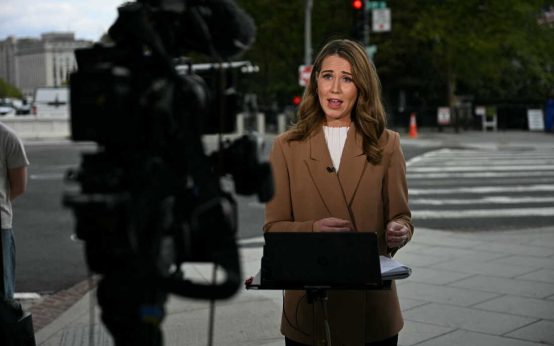 Reporters Blocked from White House by Trump Administration
  Universities Should Reject Political Influence on Research Funding
  Trump’s Approach to China: Trade Dynamics and Challenges
  Florida Reports First Dengue Fever Death as Outbreak Expands
  Media Outlets Sue After White House Ban
  American Public Opinion on Press Freedom