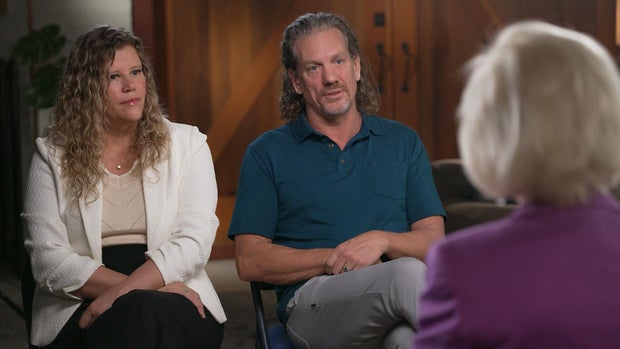
In mid-August, at the Ritz-Carlton hotel bar in Tysons Corner, Virginia, Jack Burkman and Jacob Wohl pitched their latest scheme. They sat with Ammon Covino, a convicted felon, and his wife, Crystal. Burkman, a lobbyist known for right-wing antics, explained, “With this White House, you need consistent pressure from all angles to influence the president.” He and Wohl aimed to secure pardons, a lucrative pursuit amid Trump’s White House dynamics.
They focused on Ammon Covino, who ran an aquarium and served prison time for transporting marine life across states illegally. Covino had already emailed a pardon application to the Biden Justice Department, which was rejected by Trump in July as part of a clemency backlog clearance. However, the pair believed Covino was a promising candidate for a pardon.
Burkman and Wohl claimed they could secure Covino’s pardon for $300,000, projecting approval by October. Unbeknownst to them, CBS News and its program ’60 Minutes’ were investigating pardon brokers using Covino as a lure with hidden cameras.
The Clemency Economy
The traditional image of pardon recipients is often repentant individuals who have paid their societal debts. However, historical deviation exists. President Ford pardoned Nixon. Carter pardoned draft-dodgers. Clinton controversially pardoned Marc Rich. Similarly, President Biden faced scrutiny for pardoning family members and political allies in December 2024, including his son Hunter Biden for tax crimes.
Yet, CBS News analysts and legal sources say the current pardon landscape is a burgeoning industry run by MAGA-affiliated brokers. In the past, the Justice Department evaluated clemency requests through dozens of lawyers assessing remorse and rehabilitation. But that norm appears sidelined under Trump; CBS data suggest 70% of his second-term clemency actions bypassed DOJ processes, rising to 92% for cases linked to January 6, 2021.
These brokers use their White House connections, influence from MAGA figures, and ties to Trump for lobbying. This access can cost upwards of $3 million. Mark Osler, law professor at the University of St. Thomas, observed a burgeoning industry surrounding clemency access, an arena where the influence maneuver is often cloaked in secrecy.
Pardon Transaction Process
Ed Martin, Trump’s former pardon attorney, denied a transactional pardon economy during his tenure. He championed Trump’s clemency as exercising mercy, not a payment-based system. Martin refuted claims of preferential treatment, highlighting Trump’s clemency toward both affluent individuals and January 6 rioters, purported targets of political prosecution.
CSB News investigators captured Burkman and Wohl on hidden camera as they described skirting the Justice Department, focusing instead on direct appeals to Trump through White House contacts. They used high-profile endorsements and relentless strategies to capture the president’s attention, boasting of influencing prior pardon decisions.
Despite public claims of transparency, the duo’s rhetoric faced skepticism from clemency recipients and critics. Prominent figures such as attorney Brett Tolman and other brokers leveraged their positions to guide applications directly to the White House, bypassing the DOJ. Tolman anticipated overseeing “40 or 50” pardon cases during Trump’s second term.
Beyond public knowledge, elements of the lobbying process remain obscure. CBS News revealed refused communications with several influential brokers attributed to their alignments with Trump’s sphere. These operatives, including Brett Tolman, Ches McDowell, and Adam Katz, maintained silence or declined discussions on their methods.
The Lobbying Economy
While Trump’s approach allows bypassing established norms, many supporters claim this system, although unorthodox, is grounded in the president’s prerogative to take responsive clemency actions. Some responses challenge the traditional remorse-driven clemency application path, advising applicants against admitting guilt which contradicts conventional expectations.
Amidst this reported system, Wohl and Burkman maintained their operations within the law. They argued interactions with Trump, rather than DOJ processes, were determinative. But they faced criticism and legal challenges. Disgruntled clients like rapper Boosie Badazz, argued misled promises. Reports signaled Hatch paid over half a million for a pardon promise that fell short. Burkman and Wohl labeled Hatch’s arbitration attempt senseless, urging withdrawal.
Media coverage persisted; dozens of government and private news teams contributed to illuminating this complex, mysterious pardon economy, sparking ongoing debates and raising broader questions on transparency, justice, and accessibility in Washington’s clemency processes.
 Universities Should Reject Political Influence on Research Funding
  Trump’s Approach to China: Trade Dynamics and Challenges
  Media Outlets Sue After White House Ban
  American Public Opinion on Press Freedom
  Media Lawsuit Against Trump Administration for White House Ban
  The Cost of Challenging Beijing