
Recent events have spotlighted contrasting headlines related to Russia. These developments prompt considerations on the coherence and effectiveness of Western policies concerning Moscow.
In one scenario, individuals closely associated with the Kremlin seem to receive preferential treatment from Western institutions. These insiders are granted access or benefits, hinting at a different standard of operation.
Conversely, individuals perceived as victims of Russian policy or who have suffered under circumstances linked to Russian governance face obstacles. These victims encounter issues such as denied asylum or assistance attempts by Western nations.
This stark contrast invites scrutiny of the West’s strategies. Is the current approach aligned with promoting democratic values and human rights, or does it inadvertently reward authoritarian practices? These questions underline the complexities and challenges in navigating international relations with Russia.
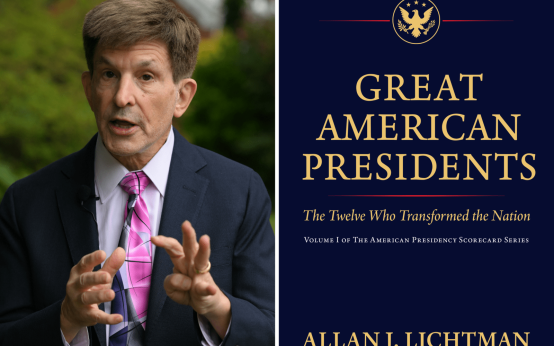 Allan Lichtman’s Framework for Assessing Presidential Greatness
 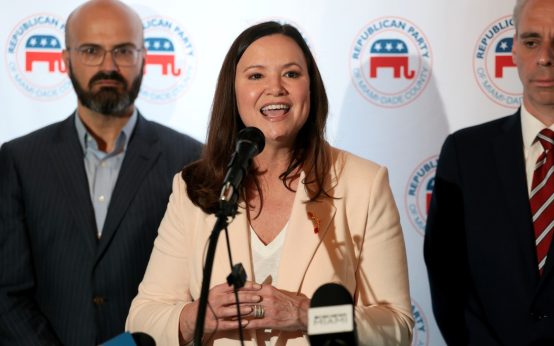 Florida Senate Race Tightens as Recent Polls Show Dead Heat
  Ethics Complaint Targets Colorado Representative Lauren Boebert
  Ken Paxton’s Campaign Funding and Polls
  Inside the Secret Deals Powering the President’s Push to Deport Migrants to Countries Not Their Own
  Independence of Research from Political Agendas