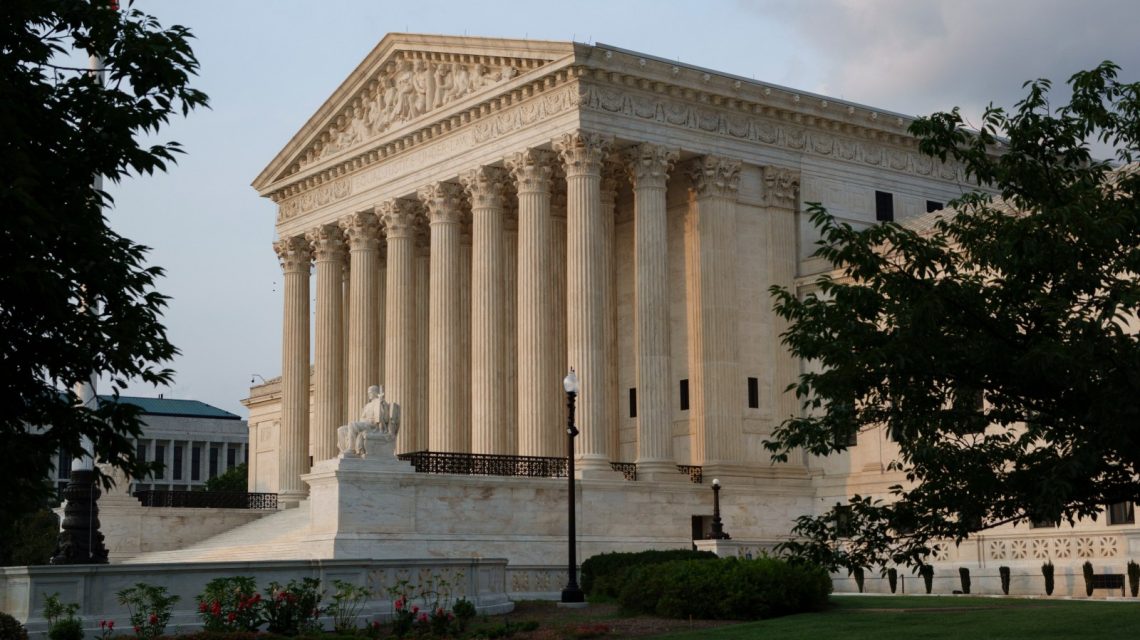
The U.S. Supreme Court is set to determine if the Trump administration can implement new mail ballot requirements ahead of the November midterm elections. The administration is appealing an order by U.S. District Court Judge Indira Talwani, who prohibited the enforcement of this rule before the elections.
The recent rule finalized by the U.S. Postal Service (USPS) prompted lawsuits from states and voting-rights groups challenging the changes. A federal judge appointed by Trump also ordered the USPS not to proceed with the executive order. With ballots reaching voters across the nation, the Supreme Court’s decision will impact how mail ballots are handled during the midterms and the future of this election-security initiative.
The USPS rule supports Trump’s executive order from March, directing federal agencies to create voter lists and requiring the USPS to deliver ballots only to listed individuals. The rule demands preapproval of ballot envelope designs and necessitates states to upload voter lists to an online portal, which remains inactive.
Experts say implementing these changes before November’s elections is likely infeasible. Some states have already begun distributing mail ballots, and others are about to start.
Nearly one-third of voters use mail ballots, so the outcome of this case could greatly affect voting, particularly in states where mail voting is popular. Advocates stress the need for secure elections, worrying about possible voter-roll inaccuracies and ballot verification. Opponents argue that it might confuse voters and disenfranchise eligible individuals, especially with control of Congress at stake.
Supreme Court’s Decision
The Supreme Court, boasting a 6-3 conservative majority, is not deciding the legality of Trump’s executive order but whether to lift Talwani’s injunction on the USPS plan.
U.S. Solicitor General D. John Sauer argued that Talwani’s decision blocks attempts to prevent voter fraud, which he views as a severe issue. The opposition from states, led by California, contends that the rule unlawfully experiment with voters’ rights. Last August, the Supreme Court removed an earlier injunction but did not rule on the order’s legality, stating that its future still needs clarification. Three liberal justices dissented, expressing concern over the potential chaos during the elections.
White House spokesperson Lauren Bis described the USPS proposals as commonsense measures aimed at securing elections. Despite criticisms of mail voting, Trump and his administration continue to advocate these changes.
Lower Court Rulings
The Trump administration’s request for a Supreme Court decision preceded the 1st U.S. Circuit Court of Appeals’ ruling on Talwani’s injunction. An Obama-nominated judge and a panel of judges appointed by former President Biden recently upheld the injunction, emphasizing potential chaos and disenfranchisement concerns.
Another judge, Carl J. Nichols, blocked the USPS rule in a separate case, highlighting the risks of absentee or mail-in ballots not being counted without an injunction. The judge criticized key aspects of the USPS rule for exceeding the agency’s authority.
Expert Opinions
Michael Morley, an election law professor, suggests that regardless of the court’s ruling, implementing changes before November’s election is unlikely. The new USPS voter portal is not operational, and altering election procedures now poses risks of errors and delays.
David Schultz, an election law expert, believes the court is unlikely to lift the injunction due to the start of early voting in many states. The prevailing legal opinion and constitutional interpretation still indicate that the president’s efforts might not succeed, but the conservative court majority brings uncertainty.
Contact Newsweek editors: Matthew Cannon and Shakeema Edwards for further inquiries.
 The Impact of Arts and Closure on Democracy
 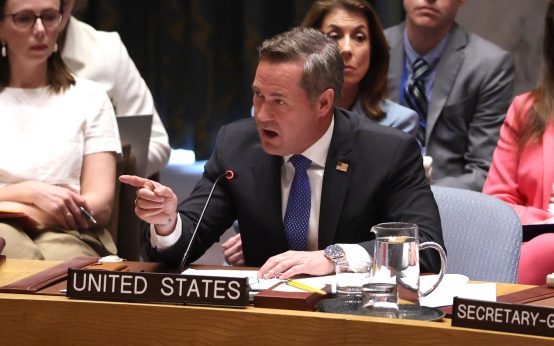 U.S. Ambassador Comments on Iran War Duration Amid Political Concerns
 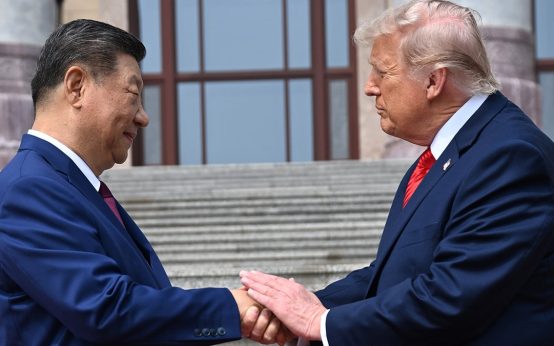 US-China Relations Under Scrutiny: Expert Warns of Escalating Tensions
  No Timeline for End of Iran Conflict
 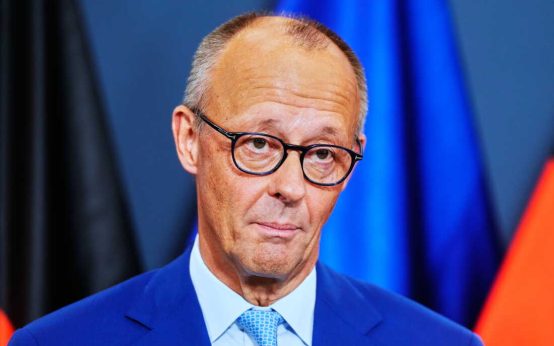 German Chancellor Merz Vows to Pursue Reforms Despite Election Setbacks
 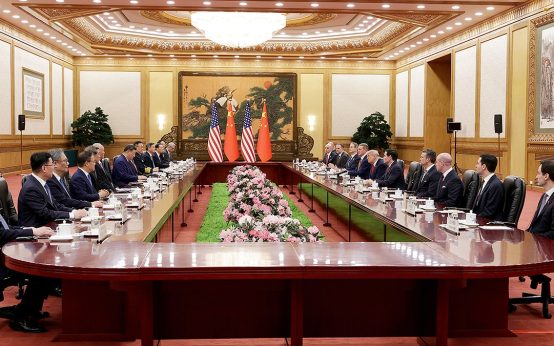 The Technology Rivalry: Trump’s Meeting with Xi and the AI Ecosystem Clash